
The Story
Why it exists.
The beginning
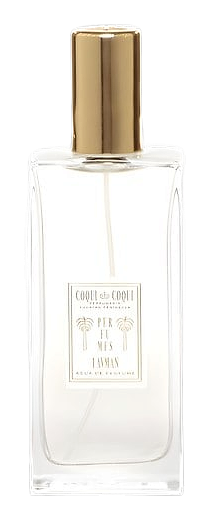
Lavman was the first fragrance to carry the Coqui Coqui name, composed by Nicolas Malleville himself in 2003 when the house was still finding its voice. The name borrows from the Italian "lavanda," the word for lavender that drifts through Mediterranean gardens and old apothecary shelves alike. Malleville built it as a statement of intent: a house that would translate landscape into scent rather than chase trends. Before there were resorts and diffusers, there was this. Two notes, one intention. The Yucatan had not yet become the brand's full language, but the approach was already there: elemental materials, quiet confidence, no performance theater. Lavman remains the most distilled expression of what Coqui Coqui believes a scent owes you, nothing more than the plant it came from, arranged without apology.
What makes Lavman interesting is its refusal to overbuild. Most lavender compositions on the market stack camphor, eucalyptus, mint, and a dozen supporting players to project freshness. Lavman skips the scaffolding. Chamomile enters as the sole counterweight, bringing its apple-sweet, slightly bitter calm to a note that can easily become bracing or soapy. The result is a composition that reads as a single material rather than an accord: herbal, soft, faintly medicinal in the way good tea is medicinal. It is lavender for people who find most lavender too loud. The restraint is the point. Two notes, properly held, can do what twenty often cannot.
The evolution
The opening arrives the way a garden does in early light: cool, herbal, slightly green at the edges. Lavender leads without dominating, that clean camphorous snap present but muted, like mint that's been sitting in water for a minute. Within fifteen minutes the chamomile starts threading through, softening the sharper facets of the lavender into something rounder and more meditative. The freshens slightly and turns golden as the drydown settles. What remains after two hours is not a base of woods or musk but a skin-warmed impression of both notes, lavender still humming underneath, chamomile's faint sweetness now reading almost like warm hay. It projects modestly in the first hour, then pulls close to skin and stays there. On fabric the chamomile lingers longer than the lavender. By evening the lavender has quieted almost entirely, and what sits on your wrist is a dry, slightly sweet herbal ghost that feels less like perfume and more like the memory of a plant you brushed against.
Cultural impact
Lavman sits in a small category of lavender compositions that prioritize intimacy over projection, and it wears like a house signature rather than a seasonal release. People who reach for it tend to already know what lavender can be at its best, and they treat it as a quiet staple rather than an event fragrance. It functions less as a status marker in the fragrance world and more as a reference point, the kind of scent someone who's spent years collecting discovers and then keeps within arm's reach for the rest of their life.