The Story
Why it exists.
The beginning
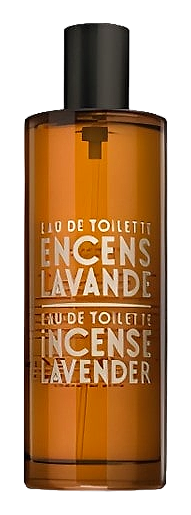
Caroline Malléjac composed Incense Lavender for Compagnie de Provence in 2009, a period when the brand was actively expanding into perfumery alongside its other product lines. The composition marks a distinctive creative statement, built around a contrast that defines the fragrance from its first spray to its last breath: lavender fields meeting the smoky residue of incense. Malléjac translated that tension into a scent that moves between sacred and domestic without choosing one. The result is not a tourist's lavender, pretty and forgettable, but a working composition where the aromatic herb earns its depth from frankincense rather than from sweetness.
What makes Incense Lavender unusual is the structural honesty of its contrast. Here the lavender is shaped by frankincense and star anise, two materials that refuse to soften the herb into something cuddly or decorative. The anise does quiet, licorice-edged work in the opening, brightening the lavender rather than sweetening it, adding a cool snap that keeps the composition alert and awake. The frankincense, rather than acting as a simple base note, weaves through the entire composition, lending a resinous flicker that keeps the herb from ever smelling like a field at noon.
The evolution
The opening arrives sharp and unexpected. Star anise announces itself with a cool snap, layered against something faintly citrus and unmistakably green. There is nothing candied about this introduction. The lavender takes over within minutes, but it arrives smoked, not sunlit, already carrying the shadow of the frankincense waiting beneath it. The anise lingers in the edges, a bright herbal thread that keeps the opening from collapsing into something too soft. As the composition settles, the frankincense rises into the heart, and the lavender begins to behave less like a top note and more like a continuous presence running through the entire structure. The drydown, what remains after several hours of wear, is where this fragrance earns its quiet reputation. Sandalwood softens the resin into something creamy and skin-close, while white musk adds a clean warmth underneath.
Cultural impact
Incense Lavender wears as a quiet statement in a category often dominated by louder gestures. It appeals to wearers who want aromatic depth without sweetness, offering a lavender composition that refuses to behave like a sachet or a candle. The fragrance holds its own within a growing interest in incense-driven scents, where resinous materials are valued for their texture and gravity rather than their warmth alone. It also speaks to a wider shift in the lavender category itself, where wearers are moving away from soapy, powdery interpretations toward something smokier and more architectural.