
The Story
Why it exists.
The beginning
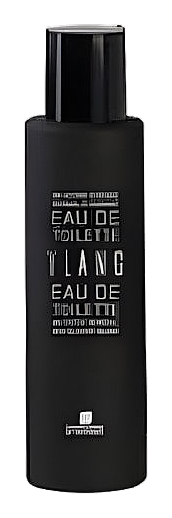
Ylang is built around ylang-ylang, sandalwood, cedar, and musk. Its character comes from the contrast between the floral ingredient and the supporting woods, with musk adding another layer to the composition. The flower brings a pronounced floral presence, while sandalwood gives the blend a smooth, rounded quality and cedar introduces a drier woody accent. Musk works alongside these materials, helping the different parts of the fragrance sit together. The result is a focused composition that can be read through the changing relationships between ylang-ylang, the woods, and musk. Rather than relying on a large collection of notes, Ylang finds its identity in this compact combination and the distinct impressions each ingredient contributes.
The defining element of Ylang is the way ylang-ylang meets sandalwood, cedar, and musk. The floral note gives the composition its clearest identity, while sandalwood contributes a creamy, polished quality that rounds out the blend. Cedar brings a dry, woody character, creating contrast with the smoother sandalwood. Musk adds a soft, clean dimension and helps unify the floral and woody materials. As the fragrance develops, the emphasis shifts between these qualities: ylang-ylang remains recognizable, the woods provide structure, and musk gives the overall composition a subtle finish.
The evolution
Ylang opens with the character of ylang-ylang, presenting a clear floral impression before the supporting notes become more apparent. Sandalwood adds a smooth, creamy warmth beneath the flower, while cedar contributes a dry, woody quality that contrasts with sandalwood's rounder character. Musk gives the composition a soft, clean layer as the fragrance moves into its later stages. Over time, the balance between these notes changes. The floral character remains part of the impression, but it sits within a fuller structure created by sandalwood, cedar, and musk. The drydown emphasizes the woody and musky elements, with ylang-ylang becoming a quieter trace rather than the sole focus. Ylang develops as a study in material contrast: flower against wood, creamy sandalwood beside dry cedar, and a clean musk that ties the composition together.
Cultural impact
Ylang offers a clear point of entry for exploring fragrance through a compact combination of ylang-ylang, sandalwood, cedar, and musk. Its appeal lies in the contrast between the flower and the woods. Ylang-ylang provides a distinctive floral character, sandalwood contributes a creamy smoothness, cedar adds a drier woody texture, and musk brings a clean softness. Together, these materials create a composition that feels focused without being difficult to understand. It can be appreciated as a study in contrast, with each note contributing a recognizable quality while allowing the others to remain present.