The Story
Why it exists.
The beginning
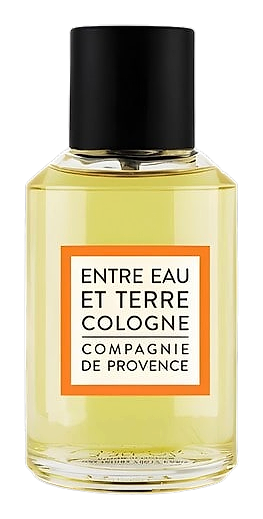
Introduced in 2016 within Entre Eau et Terre, Entre Eau et Terre was created by Amélie Bourgeois for a French house translating southern light, herbs, and minerals into modern perfume. The name points directly to the tension held in the composition: water and earth, freshness and weight. Its stated trio of lavender, amber, and tonka bean gives the scent a clear center, while the broader pyramid brings citrus brightness, incense smoke, resinous spice, and woods into focus. The fragrance was created in Grasse, placing its production within a region long associated with perfumery. Its character is less a literal landscape than an edited view of one, clean at first, then darker and more tactile as it settles.
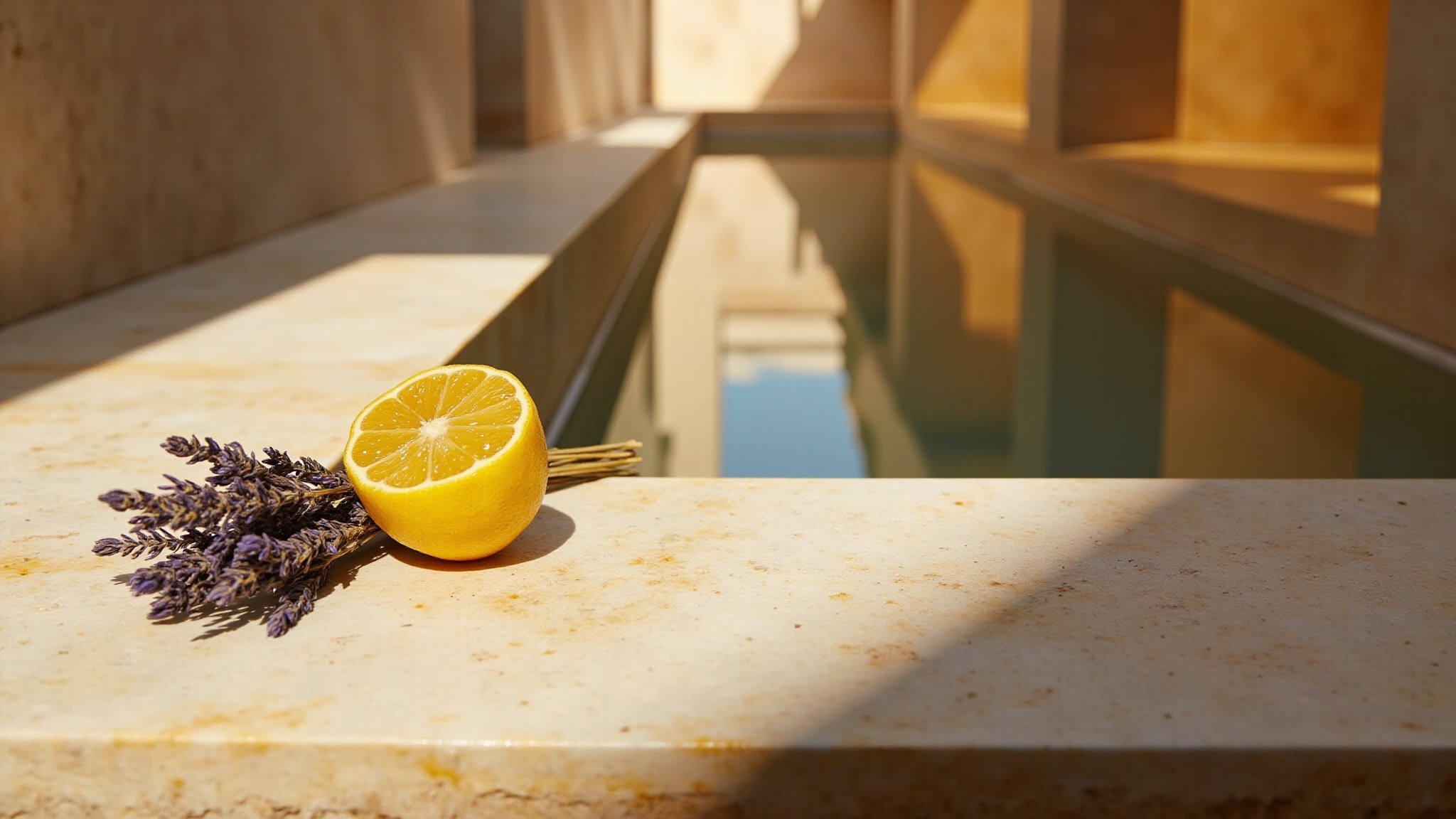
The unusual part is the balance between clarity and weight. Lavender usually suggests air, soap, or a Provençal field, while labdanum, benzoin, cinnamon, and ambergris bring heat, shadow, and a faint mineral depth. Ambroxan adds a modern skin-like softness beneath the more traditional materials. Nothing here is ornamental for its own sake. The top notes make an entrance, the heart turns inward, and the base settles close, giving the composition the feeling of a bright landscape changing underfoot.
The evolution
It begins with a cool, clean snap: lemon and bergamot sharpen the lavender opening, giving the first impression a clear blue edge. As that brightness settles, the heart grows more tactile. Frankincense brings a cool thread of smoke, cinnamon adds dry heat, and labdanum deepens the composition with a warm, resinous density. Benzoin makes the middle feel rounded rather than sharply herbal. In the drydown, cedarwood and tonka bean create a soft woody foundation, while ambroxan and ambergris leave a subtle skin-warmed trace. The result moves from first-impression freshness to a darker, more intimate finish. Expect moderate projection and a moderate lifespan, with the resinous base likely to remain the most noticeable memory once the brighter citrus has gone.
Cultural impact
This fragrance sits within Compagnie de Provence’s broader portrait of southern France as a place of sensory restraint and everyday pleasure. Its appeal is less about announcing itself than making a familiar aromatic landscape feel more textured. The unisex framing suits its position between fresh citrus and warm amber, a useful register for people who want Provence without the usual decorative shorthand. It belongs to a culture of regional fragrance that treats lavender, incense, woods, and resins as tactile materials rather than costume.
The House
Compagnie de ProvenceCompagnie de Provence is a Marseille‑born fragrance house that translates the scents of southern France into modern perfume. Since 1990 the label has built a modest catalogue that includes Thé Tonka, Incense Lavender and the 2016 collection of Ici L'Eau est d'Or, Entre Eau et Terre and others. Each bottle aims to echo the light, herbs and minerals of the Provençal landscape while keeping a clean, understated presentation.
The Creator
Amélie BourgeoisBourgeois works within classical perfumery structures but pushes against the expected. She favors material combinations that surprise, finding harmony in contrasts others might avoid.