
The Story
Why it exists.
The beginning
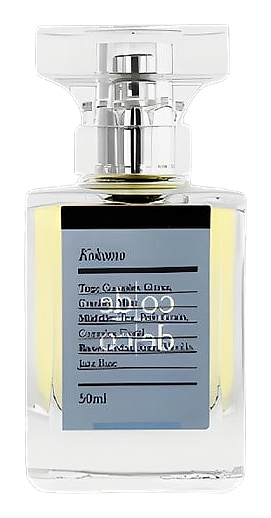
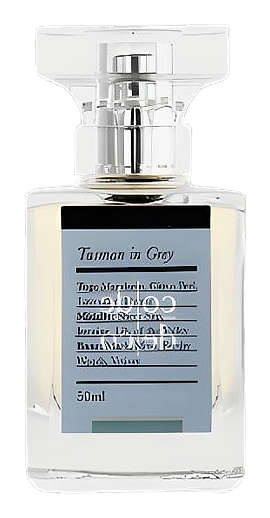
Code Deco released Tasman in Grey in 2013, and the name carries a weather system all its own. The official brief reads like a meteorological dispatch: moist stone, icy water, grey skies. These are notes meant to evoke atmosphere over appetite, texture over sweetness. There's nothing here that tries to charm you with sugar or seduce you with something edible. No vanilla hiding in the wings. No amber trying to make things feel warmer than they are. The conceit is restraint, a willingness to let cool aromatic clarity do the work while everything else stays quiet. You wear this one when the air itself feels muted, when humidity has settled into the walls and the light outside has gone flat. It's a scent that holds its temperature below room level, refreshing in its refusal to compete.
What makes Tasman in Grey hold together is the tension between its herbal and green elements. Lavender and thyme open with a dry, almost bracing clarity, the kind of aromatic sharpness that keeps you alert without ever tipping into something aggressive. Then plant sap and jasmine push through the middle, lending a watery sweetness that keeps the opening from drying out into something purely medicinal or cologne-adjacent.
The evolution
The first ten minutes are the loudest this fragrance ever gets. Mandarin zest hits bright and sharp, almost bitter, backed by a lavender that reads more like cold linen than like a fougère. Thyme weaves underneath, peppery and dry. There's also a lemon zest edge that lifts the whole thing into something close to tonic water, a bitterness that keeps it from feeling too botanical. The opening settles fast. Within twenty minutes the citruses recede and the heart takes over, and here's where it gets interesting. Plant sap smells like crushed green stems, watery and alive, threading through the composition with a vegetal persistence that catches you off guard. The jasmine and lily of the valley arrive as a cool white whisper rather than full floral declaration. They read sheer and transparent, more like white flowers seen through fog than smelled up close.
Cultural impact
Tasman in Grey has earned a quiet following among wearers who gravitate toward conceptual projects over commercial showpieces. It's the kind of release that gets passed between people who already keep a mental catalogue of niche houses and the specific moods their fragrances capture. Discussions tend to center on its temperature, the way it wears cool against the skin and holds its shape through long afternoons. It rewards patience, revealing its different registers slowly rather than performing all at once, which makes it a favorite among those who treat scent as a private ritual rather than a social broadcast.
The House
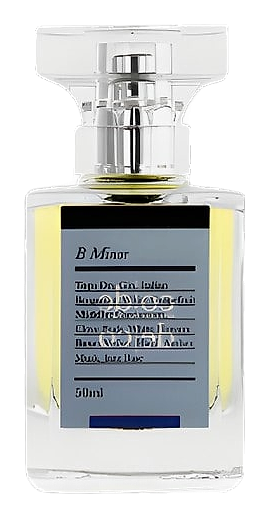
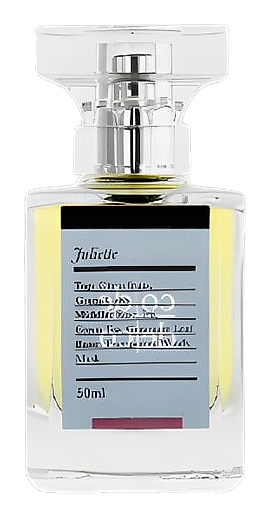
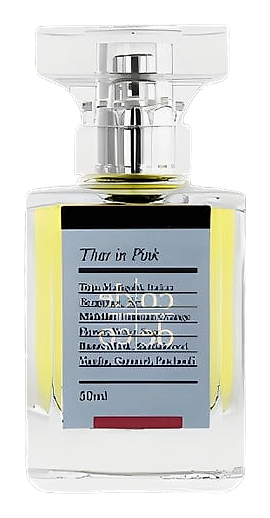
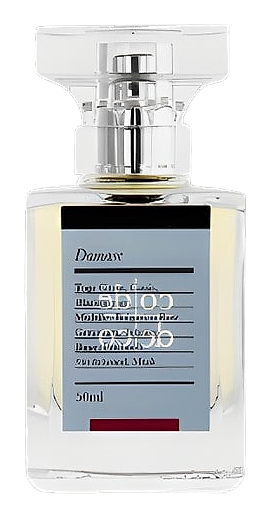
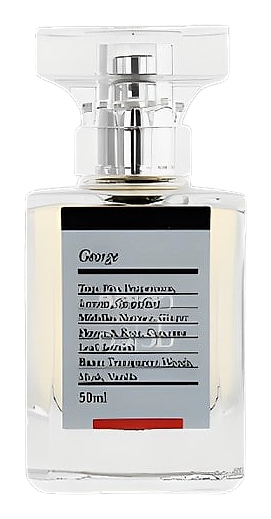
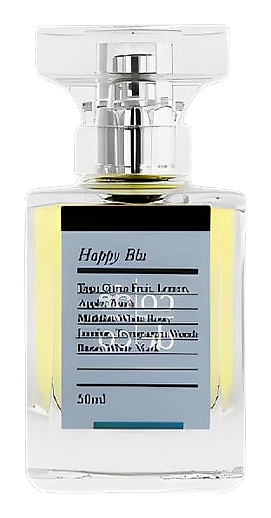
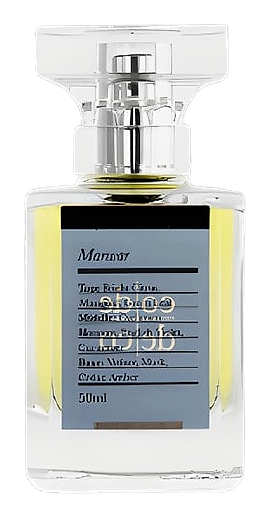
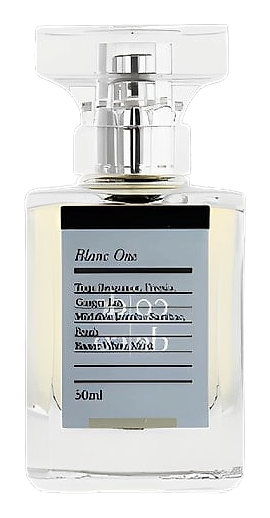
Code DecoCode Deco is an artisanal perfume house rooted in Singapore’s vibrant creative scene. Founded by Gauri Garodia, the brand blends her corporate fragrance experience with a personal love of music and colour. Each scent arrives in a sleek bottle that feels like a miniature work of art, inviting the wearer to explore a story told through notes rather than slogans. Code Deco’s line, launched in 2013, includes fragrances such as B Minor, Blanc One and Malabar, each named to echo a musical key or a place that inspired its aroma. The house positions itself as a laboratory for curious noses, favouring thoughtful composition over mass‑market trends.
The Creator
Gauri GarodiaGarodia favors natural absolutes and carefully selected synthetics that reinforce a theme. She builds structures around a single floral or woody anchor, then layers supporting accords that enhance rather than overwhelm.