The Story
Why it exists.
The beginning
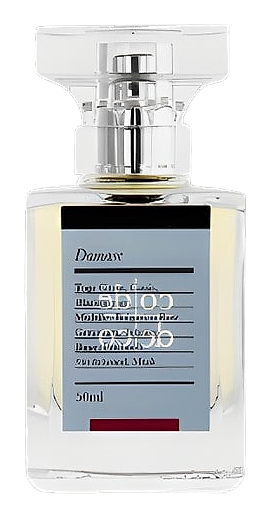
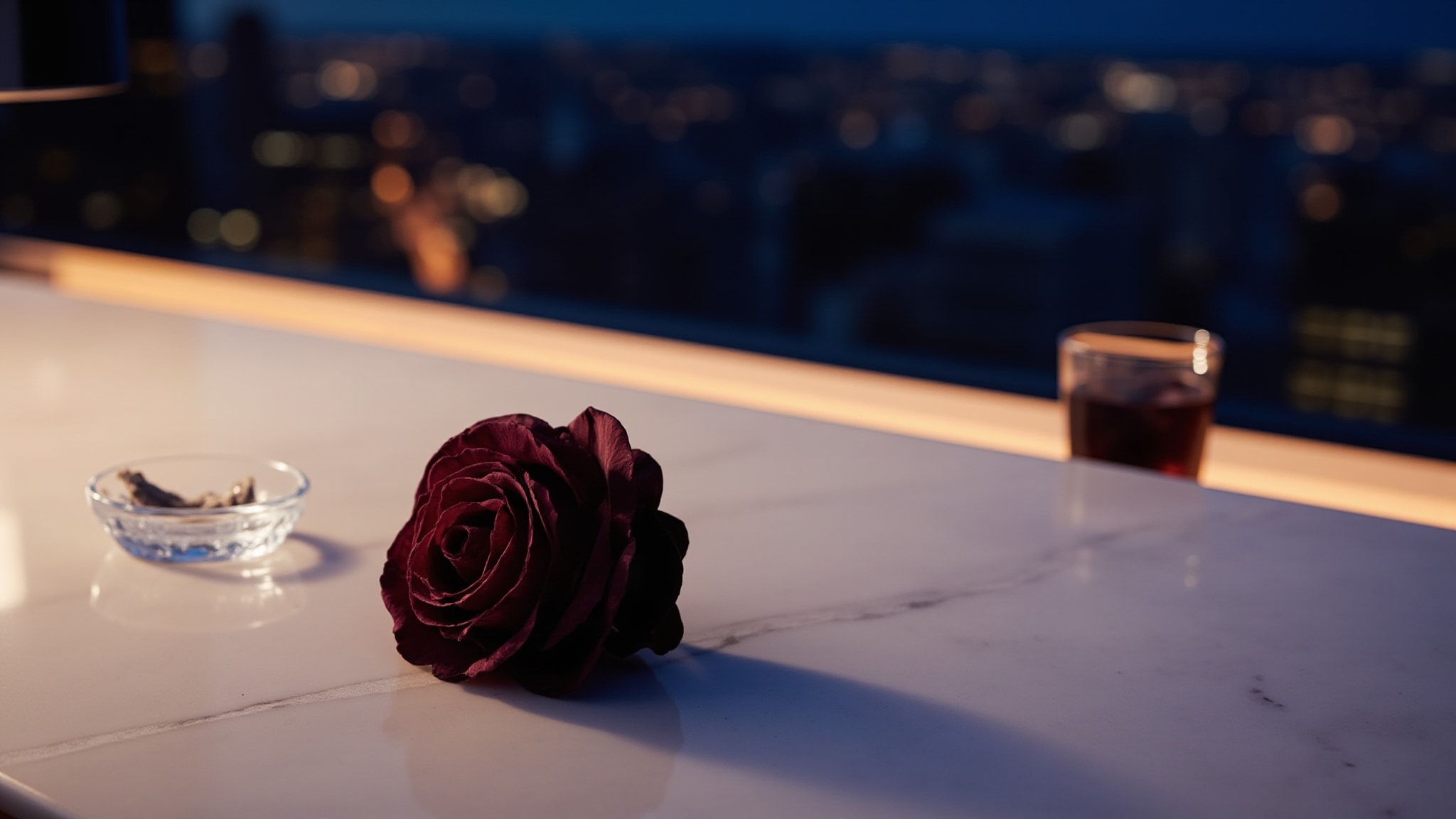
Damasc took its name from the old city, Damascus, the Silk Road capital where rose water, tobacco, and spice have crossed paths for centuries, and the reference is direct rather than decorative. Rose sits at the center, but the composition is translated rather than copied. What reaches the skin is something more structured than the classic romantic rose, with a herbal green lift at the opening that gives way to a darker, spiced floral body. Bulgarian rose absolute lends its honeyed depth, while the tobacco in the heart folds in a dry, almost leathery warmth that pulls the scent away from confection and toward something drier, smokier, more architectural. The base settles into a resinous, slightly bitter earthiness from labdanum and patchouli, with just enough musk to keep it resting close.
What makes Damasc worth attention is the structural choice: Bulgarian rose and geranium sit together in the heart, which means the floral never goes soft. Geranium lends the cool, slightly bitter, almost medicinal edge that rose always tries to disguise. Tobacco arrives alongside them rather than waiting in the base, so the composition spends its middle act walking a line between floral and smoky rather than tipping fully into either. The blackcurrant liqueur up top sets the register. It is not a fresh fruit note. It is a syrup, a pour, something that already knows where the night is going.
The evolution
The first 20 minutes belong to the blackcurrant. It opens dark, almost port-like, with the citrus notes cutting through like a thin line of acidity. Geranium arrives fast, within 10 minutes, it has started to bend the fruit into something cooler, greener, less edible. Bulgarian rose takes over around the 30-minute mark and stays loud for a long stretch. This is not a polite rose. It has the dense, slightly waxy feel of an absolute rather than a stem. Tobacco sits underneath the rose from the start, more suggestion than statement, the way cigarette smoke clings to a wool coat. By hour three the composition starts to fold inward. Patchouli and sandalwood absorb the remaining rose, and what you are left with is a warm, wood-dusted musk that reads more intimate than the opening promised. The sillage is moderate, close enough to register, not so loud it announces. On fabric the next morning, what survives is a clean sandalwood and a faint trace of the tobacco. On skin, it fades into something skin-close after 5 or 6 hours. Not a workhorse. A specific kind of presence.
Cultural impact
Damasc is a rose that refuses to behave like one. The opening is cool and herbal, almost minty in its clarity, with a greenness that keeps the bloom from collapsing into sweetness. As the hours pass, the Bulgarian rose comes forward, but it arrives with weight rather than lift, wrapped in a smoky tobacco leaf that reads almost like cured leather in the air around the wearer. Labdanum and patchouli build the drydown into something resinous and faintly bitter, a base that lingers close to the skin and gives the rose a backbone of earth and stone.
The House
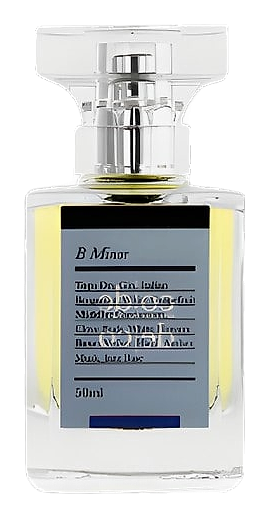
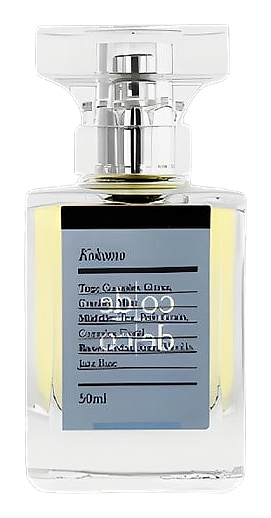
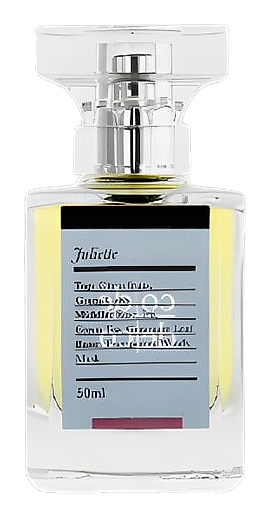
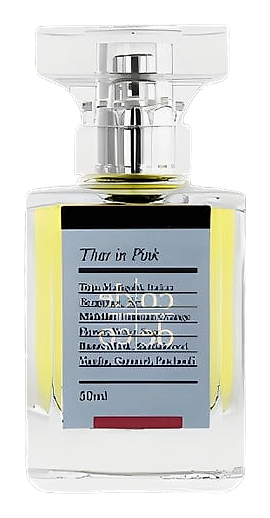
Code DecoCode Deco is an artisanal perfume house rooted in Singapore’s vibrant creative scene. Founded by Gauri Garodia, the brand blends her corporate fragrance experience with a personal love of music and colour. Each scent arrives in a sleek bottle that feels like a miniature work of art, inviting the wearer to explore a story told through notes rather than slogans. Code Deco’s line, launched in 2013, includes fragrances such as B Minor, Blanc One and Malabar, each named to echo a musical key or a place that inspired its aroma. The house positions itself as a laboratory for curious noses, favouring thoughtful composition over mass‑market trends.
The Creator
Gauri GarodiaGarodia favors natural absolutes and carefully selected synthetics that reinforce a theme. She builds structures around a single floral or woody anchor, then layers supporting accords that enhance rather than overwhelm.