
The Story
Why it exists.
The beginning
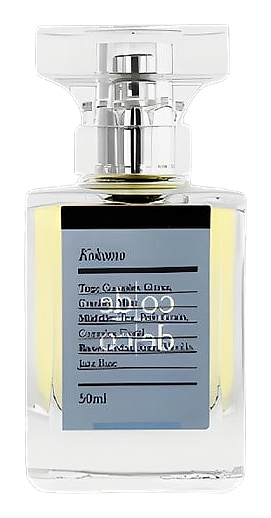
Kokomo arrived in 2013, conceived by Gauri Garodia, the Singapore-based perfumer who built her own house around scent as a personal soundtrack rather than a statement. The fragrance takes its name loosely, carrying an air of somewhere warm and unhurried, the kind of place where afternoon and evening blur into one long exhale, even if that particular geography stays unspoken. Garodia's composition places tea at the heart of the accord, framed by mint and citrus up top, with a base of rum, vanilla, and cedar that anchors the airy opening in something warmer and more grounded. The contrast matters: the top reads cool, almost herbal, almost sparkling, while the drydown slumps comfortably into the sweeter, spiced territory where rum and vanilla do their quiet work.
What's interesting here is the structural tension between the cologne-style opening and the more gourmand-leaning base. The mint and citrus do their cold, sharp work up top, almost icy in their clarity, before the sweetness underneath even has a chance to register. Then the petitgrain steps in, slightly bitter, a little metallic at the edges, carrying just enough of tea's softer warmth to bridge the two halves of the composition. The base is rum and vanilla, a combination rooted in warmer, spiced territory, and without petitgrain's hinge the whole thing might tip into something overtly edible.
The evolution
The first fifteen minutes belong to mint and citrus, cold and bright, almost like crushed leaves over chilled citrus water. That green snap is assertive, present, the loudest phase the fragrance reaches. Then petitgrain arrives, slightly bitter, a little metallic, carrying tea's softer warmth into the center. The florals are there but quiet, a suggestion more than a statement, giving the heart its roundness without ever naming themselves. After about an hour, the rum shows up, warm and low, sweet in a brown-sugar way rather than a syrupy one. Vanilla swells beneath it, creamy but not cloying, while cedar keeps the whole composition from getting too soft. The drydown is where Kokomo becomes what it actually is: vanilla and cedar on warm skin, the mint long gone, the citrus barely a memory, and that rum note still humming underneath everything like a low conversation three tables over.
Cultural impact
Kokomo is a green-leaning, tea-and-rum composition that bridges the citrus cologne tradition with a warmer gourmand base. It opens bright, almost sparkling, with mint and citrus doing the kind of cold, clear work you'd expect from a classic cologne, then shifts through a petitgrain hinge into a base of rum, vanilla, and cedar that reads warmer, sweeter, more late-afternoon than early-morning. That two-phase structure gives the fragrance a dual personality that rewards attention: the fresh first impression and the comforting drydown occupy different rooms of the same house, and the petitgrain acts as the hallway between them.
The House
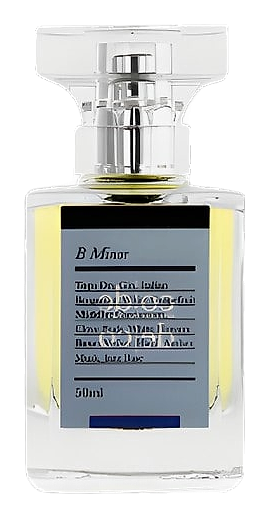
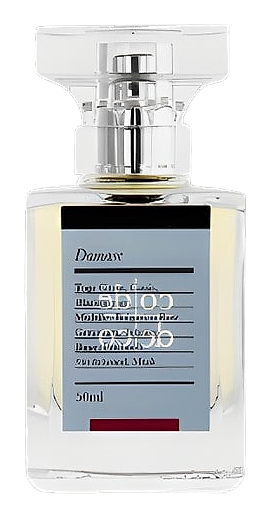
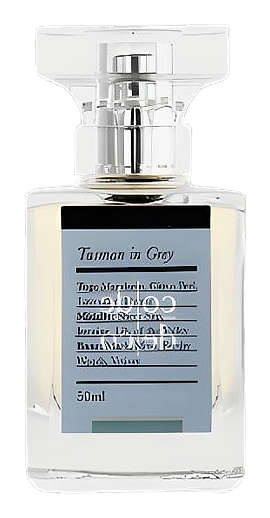
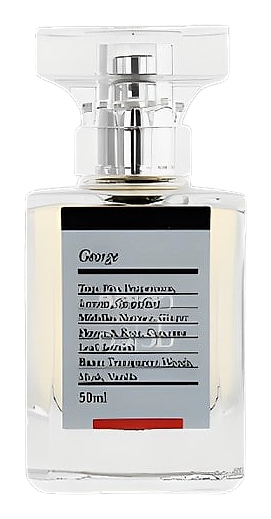
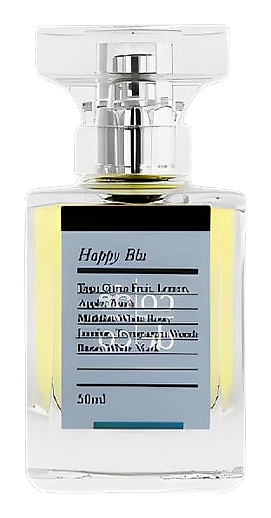
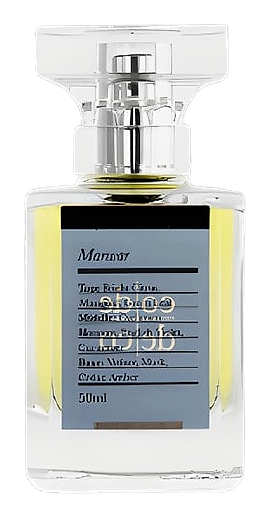
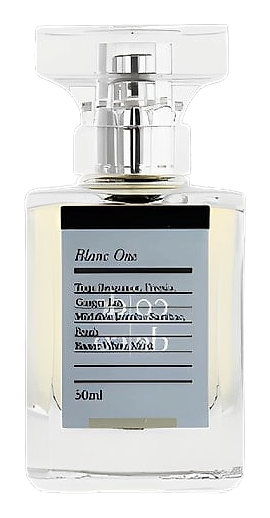
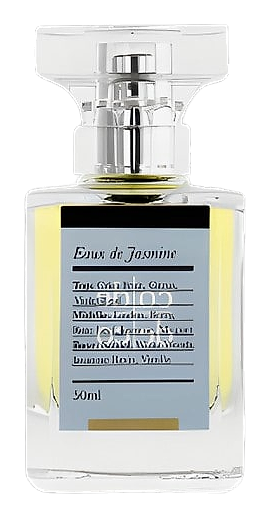
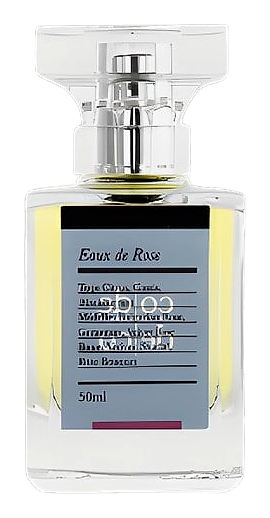
Code DecoCode Deco is an artisanal perfume house rooted in Singapore’s vibrant creative scene. Founded by Gauri Garodia, the brand blends her corporate fragrance experience with a personal love of music and colour. Each scent arrives in a sleek bottle that feels like a miniature work of art, inviting the wearer to explore a story told through notes rather than slogans. Code Deco’s line, launched in 2013, includes fragrances such as B Minor, Blanc One and Malabar, each named to echo a musical key or a place that inspired its aroma. The house positions itself as a laboratory for curious noses, favouring thoughtful composition over mass‑market trends.
The Creator
Gauri GarodiaGarodia favors natural absolutes and carefully selected synthetics that reinforce a theme. She builds structures around a single floral or woody anchor, then layers supporting accords that enhance rather than overwhelm.