The Story
Why it exists.
The beginning
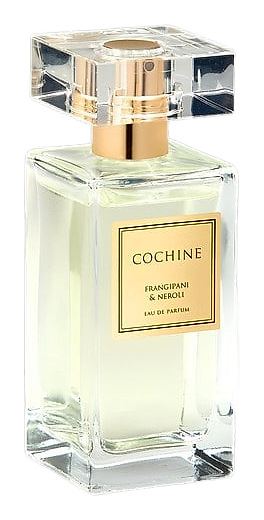
Frangipani & Neroli arrived in 2021 as part of a fragrance house that had been quietly building a reputation around plants, gardens, and the way certain places smell at certain hours. Composed by Maurice Roucel with Kate Crofton-Atkins, it's the most direct translation of the brand's core idea yet: a specific garden, a specific hour, summoned rather than described. The reference is temple gardens in the south, frangipani trees throwing dappled shade over white sand, neroli drifting from bitter orange blossom somewhere nearby. Not a postcard, not nostalgia. A place caught at the right humidity, bottled before the light shifts. The composition behaves like something the house had been circling for years, a portrait it already knew how to paint but hadn't put to canvas until now.
Roucel gives frangipani room to be frangipani, unforced, its honeyed cream doing the work most florals delegate to heavier bases. The neroli is the structural counterweight, green and bright enough to stop the tropical from going slack. Violet and jasmine add a powdery depth that bridges the cream and the freshness without ever calling attention to the scaffolding. The construction feels deliberate but never heavy-handed, each material placed where it needs to do the most talking and then left alone.
The evolution
The first ten minutes are all green petitgrain and mandarin, a quick flash of brightness that reads like stepping out of air conditioning into the heat. The frangipani arrives before the top notes fully leave, which is the first sign this wasn't built by the usual rules. By the thirty-minute mark neroli has settled into its role as the steadiest voice in the room, and the frangipani starts showing its creamier facets, that sun-warmed fullness the name alone can't prepare you for. Violet and jasmine do their work somewhere underneath, less heard than felt, giving the heart a soft-focus quality. The orris root arrives around the two-hour mark as a cooling, powdery layer, almost cosmetic, and it pulls the composition toward something more intimate.
Cultural impact
The fragrance reads as a quiet act of translation rather than a statement piece. Its appeal is the kind that rewards attention rather than demands it, the sort of composition a wearer returns to not because it performs loudly but because it keeps revealing small things on the second and third wearing. It sits comfortably beside other place-led, floral-driven scents that prize clarity of idea over complexity for its own sake. Wearers tend to be people who want their fragrance to say something without raising its voice, who appreciate a bottle that can be reached for in any season without apology.
The House
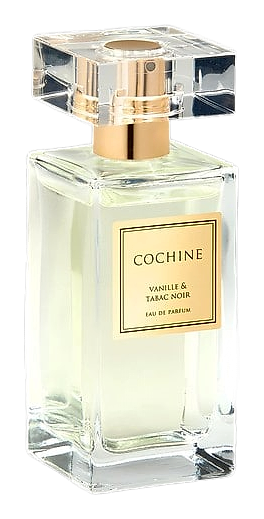
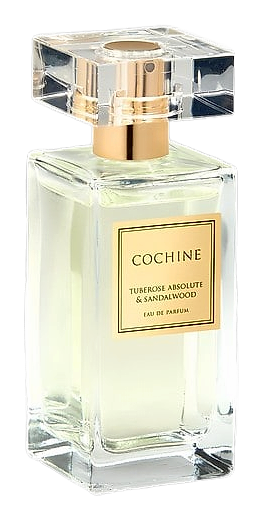
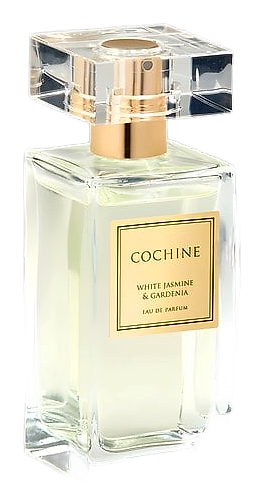
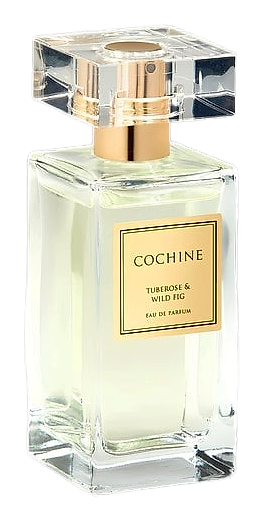
COCHINECochine is a fragrance house founded by Kate Crofton-Atkins after relocating to Saigon, where the visual and sensory landscape of Vietnam became the wellspring for her work. Originally launched as candles, bath, and body products in 2009, the brand later extended into eau de parfum, with compositions built around Indochinese botanicals such as frangipani, tuberose, jasmine, gardenia, and wild fig. Production is split between France and Vietnam, a deliberate choice intended to preserve the geographic inspiration behind each scent.
The Creator
Maurice RoucelRoucel's style is often described as opulent and sensual. He has a penchant for white flowers, particularly tuberose, which he often uses in rich, heady compositions.