The Story
Why it exists.
The beginning
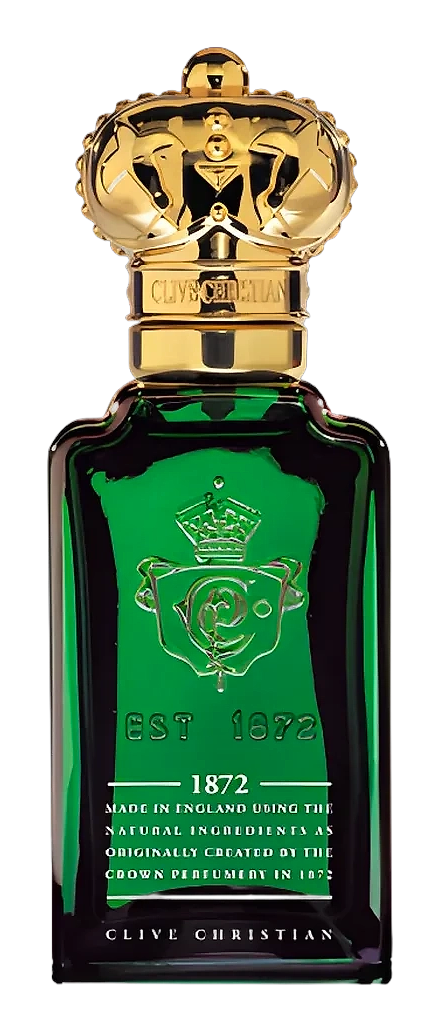
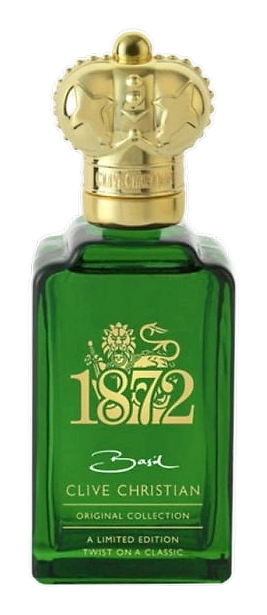
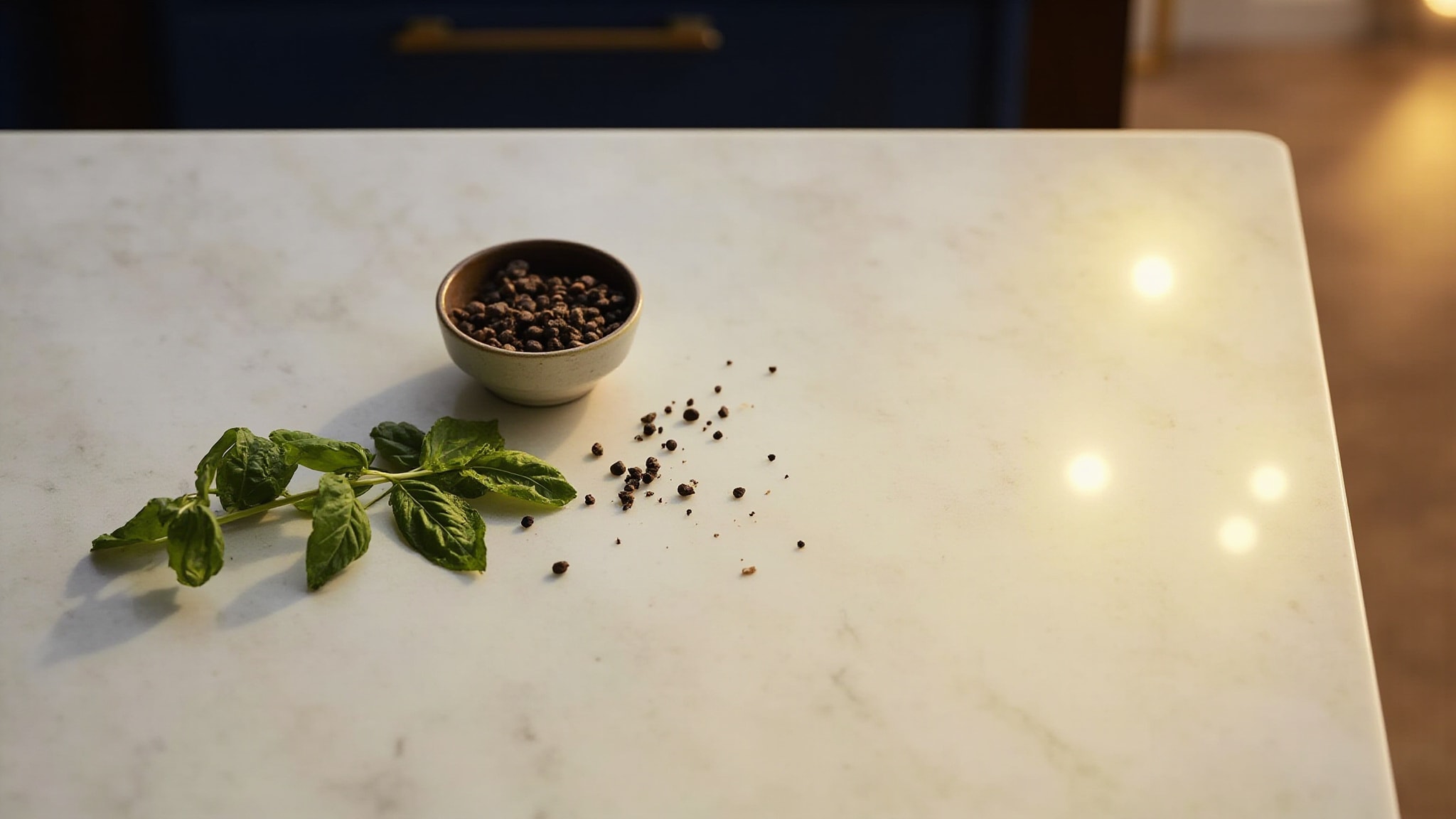
1872 Basil lives in the space between two worlds: the herbal exuberance of a kitchen garden and the discipline of British formality. Basil takes the lead because it's the note that bridges both, equally at home in a Caprese salad or stitched into a dress shirt. The composition around it leans spice and herb rather than the usual aromatic fougère tropes. Less barbershop, more private kitchen after sundown. The scent opens with a green chill that reads almost raw, the kind of cold you get from spearmint leaves torn straight off the stem. Black pepper and nutmeg flicker at the edges, adding a quiet warmth without softening the initial snap. It announces itself quickly and with confidence, the kind of opening that fills a room before you've buttoned your coat.
What makes this composition distinctive is what it does with its central materials. The herbal top is allowed to stay herbal through the heart, anchored by clary sage, which carries a hay-like warmth that gives the composition its dusty backbone. Spearmint and basil never read as candy or as afterthought; they carry the opening with genuine botanical weight. Then the iris in the base does something unexpected. It takes a fresh green composition and pulls it toward powder and root, giving the drydown a cool, earthy gravity. The black pepper and nutmeg in the opening aren't decoration either.
The evolution
The first five minutes hit bright and immediate. Spearmint and basil arrive cold and green, almost raw, the way crushed herbs smell before they hit oil. Black pepper and nutmeg flicker underneath, warming the edges without softening them. This is the most assertive phase, the one that announces the fragrance before you've buttoned your coat. By the thirty-minute mark, the mint starts receding and clary sage takes over. The character shifts from kitchen-garden freshness to something drier, more savory, with a dusty herbal warmth that feels like sun-warmed linen rather than crushed leaves. An hour in, the iris arrives, and this is where 1872 Basil reveals its real trick. The green doesn't vanish. It just changes texture, going from leafy and cool to something powdery and grounded, almost root-like.
Cultural impact
1872 Basil earns its place in any conversation about green fragrances worth seeking out. The composition commits to the herbal-spice intersection without compromise, building around basil, spearmint, clary sage, and a measured hit of pepper and nutmeg, then grounding the whole thing in iris and woods. There are no sweeteners padding the back end, no synthetic shortcuts trying to broaden the appeal, just a confident study in what green perfumery can do when it's allowed to stay green. That kind of commitment tends to resonate with collectors who have tired of the safe middle ground.