The Story
Why it exists.
The beginning
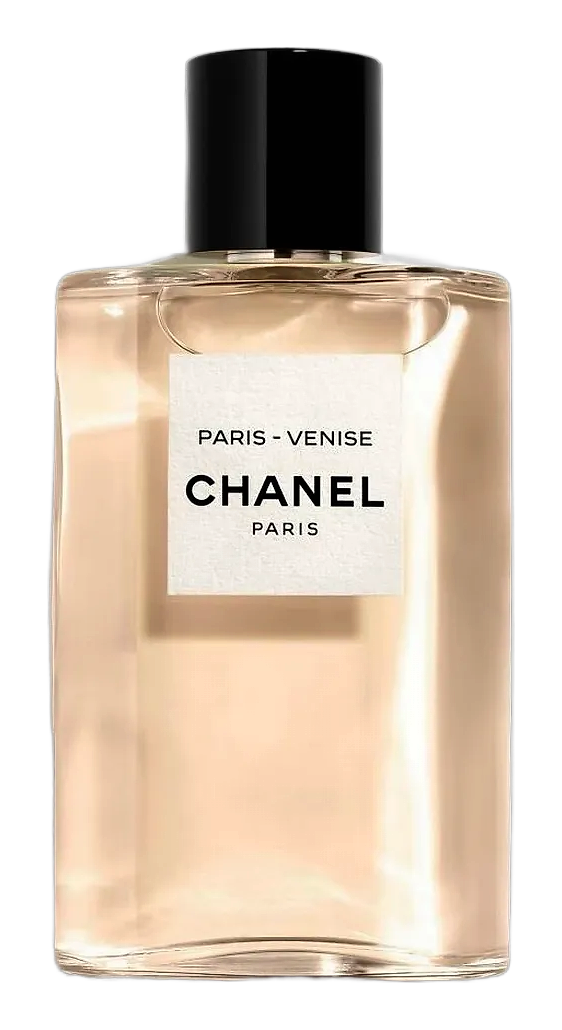
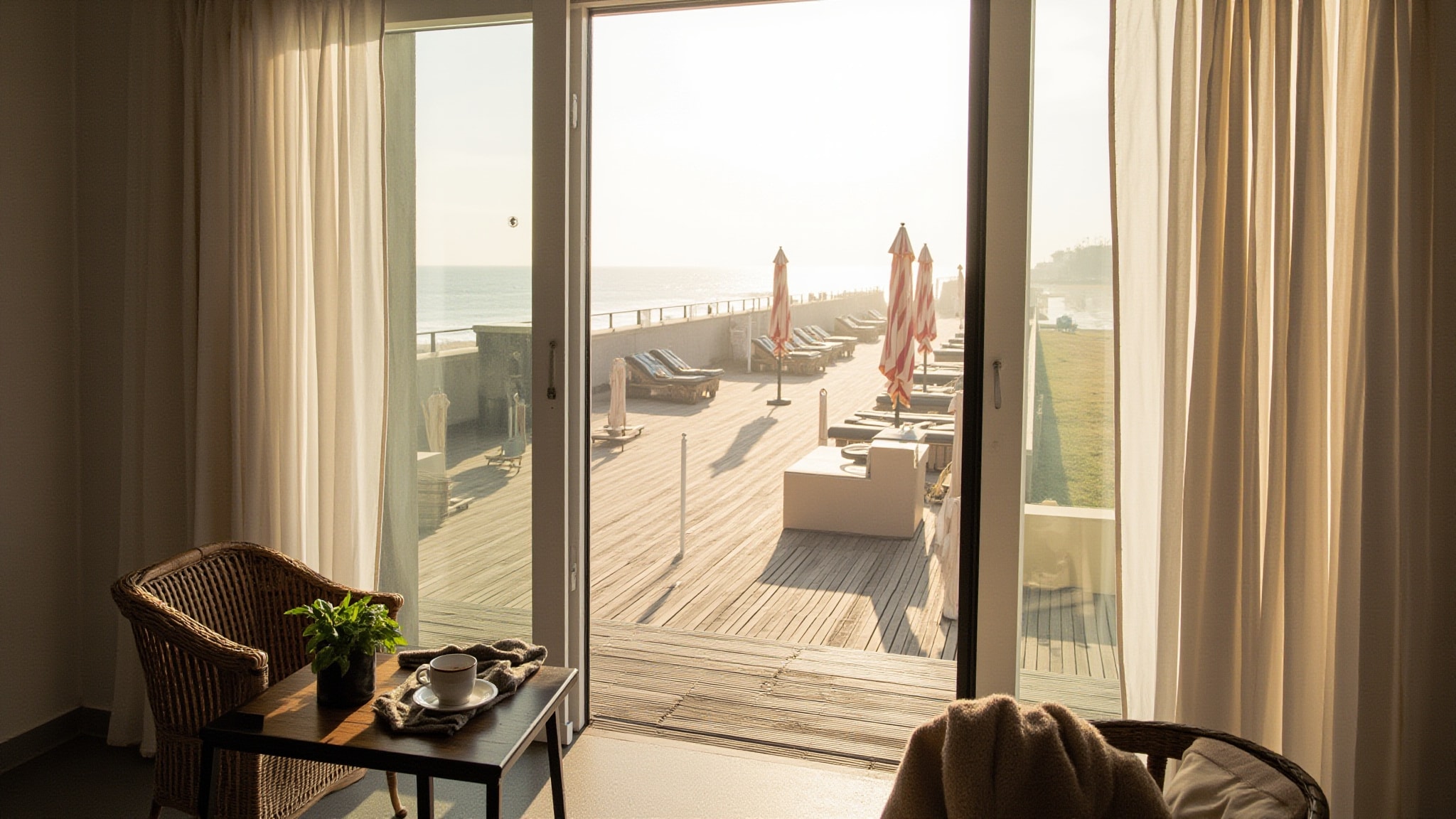
The Les Eaux de Chanel collection arrived in 2018, three fragrances named for places that mattered to Gabrielle Chanel. Paris-Deauville is the one tied to her first fashion boutique, opened in 1913 on the Normandy coast. Deauville was where Chanel first found her audience, wealthy women escaping Paris for the sea, willing to wear wide-brimmed hats and simplified dresses when no one else was. Olivier Polge translated that spirit into a fragrance: not a postcard of the coast, but the feeling of arriving there. Fresh, clear air. Green things growing. The clarity of a place before it becomes crowded.
What makes Paris-Deauville interesting isn't any single note, it's the structure. The top is all citrus, but bitter citrus, the kind that comes from the peel and the green matter around it. That basil note does something unusual: it keeps the orange from being sweet. The heart relies on hedione, a molecule that doesn't smell like any one flower, it smells like the concept of fresh. Jasmine and rose appear, but faintly, there to soften the green without dominating it. Then patchouli, used sparingly, to anchor everything into something that lasts. This isn't a complicated fragrance. It's a precise one.
The evolution
The opening arrives bright and immediate, Sicilian orange and bergamot with basil cutting through like green stems snapped in half. The citrus doesn't linger. Within minutes, the green notes take over, and this is where the fragrance reveals its character. It's herbaceous in a way that reads more like crushed leaves than perfumery. Hedione opens up in the heart, bringing that transparent floral quality, jasmine and rose present but never heavy. The drydown is brief, patchouli settling close to skin, a soft woody base that keeps the whole thing from feeling temporary. Four to six hours on most skin types. On fabric, it fades faster. What surprises is how consistent the green quality stays throughout, a basil-thyme character that doesn't disappear into sweetness. Some wearers report it becoming almost skin-like after three hours. Others say it holds its fresh character the entire time. Either way, it doesn't evolve into something unrecognizable. It simply softens.
Cultural impact
The Les Eaux de Chanel line represents Chanel's philosophy that freshness is an emotional experience, not just a functional one. Paris-Deauville resonates with wearers who want citrus that has character, who find the typical lemon-water fragrance forgettable but this basil-forward green freshness compelling. It's not Chanel's most famous fragrance, but it's the one that rewards someone looking for something that smells like the coast, not a resort.