The Story
Why it exists.
The beginning
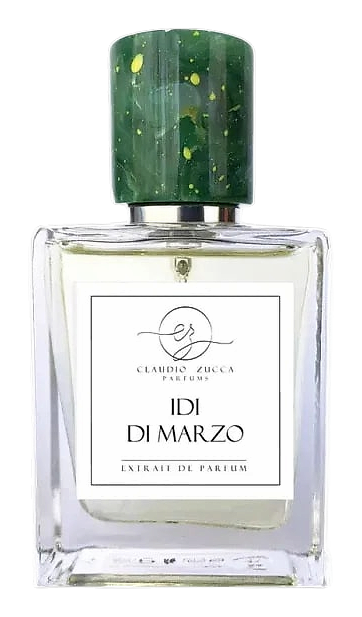
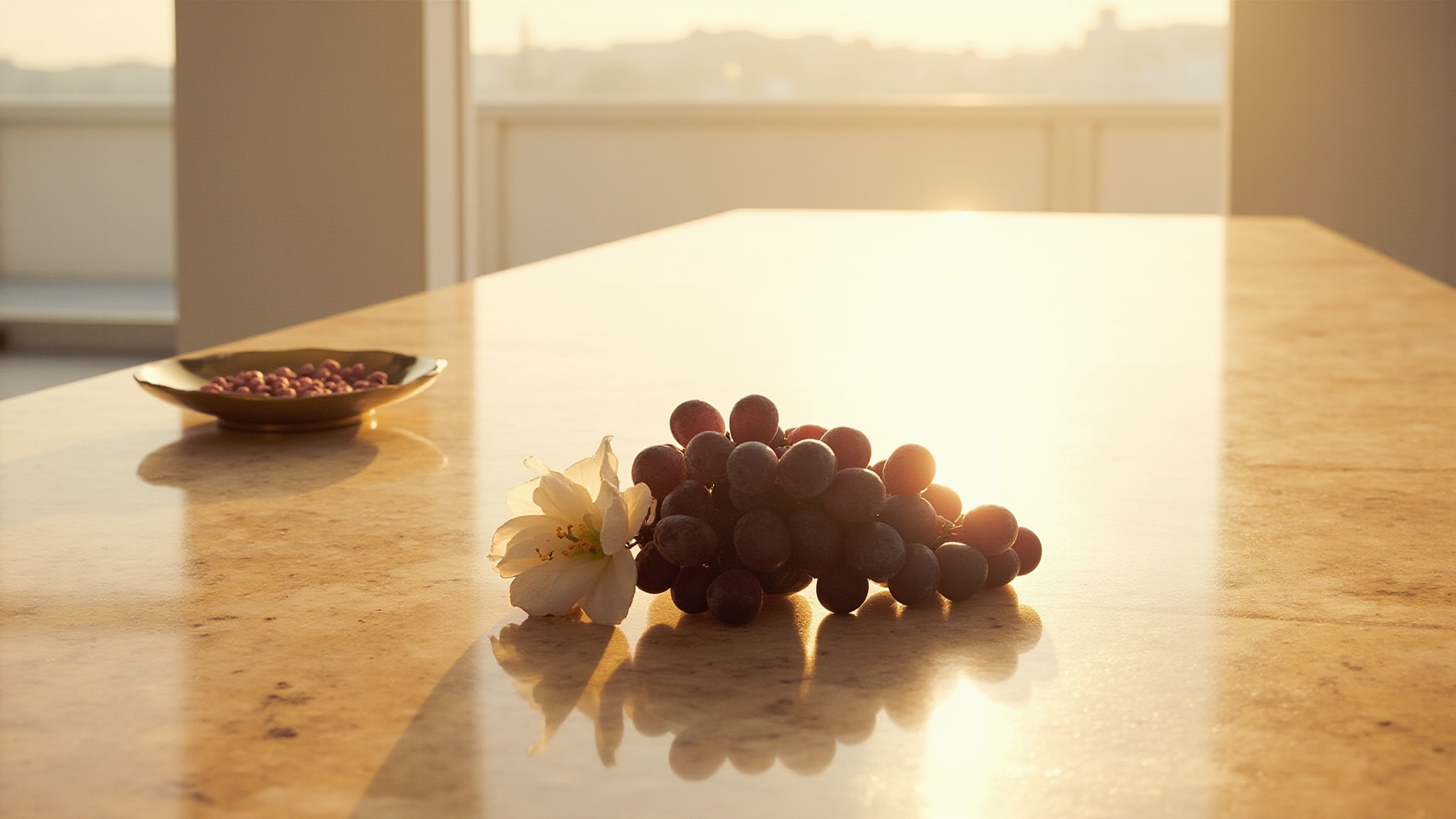
Idi di Marzo, the Ides of March, takes its name from a date that history remembers. Claudio Zucca Parfums composed this 2024 release as a floral that refuses to behave as expected. The composition opens with grape, peach, and pear, then pivots hard into a dense heart of rose, tuberose, jasmine, and ylang-ylang, with clove threading through the florals. The base settles into sandalwood, vetiver, vanilla, and resins, a warm counterweight to the bloom above. It's a study in dramatic transitions, where candied sweetness gives way to something weightier, then resolves into a dry, resinous hush.
What makes this composition worth attention is the tension between the edible fruit opening and the almost heraldic heart that follows. Isabella grape, peach, and pear read as sweet and accessible, almost confectionery, before clove, heliotrope, and a full bouquet of absolutes crash through. The florals here aren't pretty in a passive sense. Red rose and tuberose carry weight, osmanthus and mimosa add bruised-fruit and haylike warmth, and ylang-ylang pushes everything into golden territory.
The evolution
On skin, the opening announces itself as fruit: Isabella grape, peach, and pear, with pink pepper threading through like static. The fruit sits forward for the first stretch of wear, sweet and full, before the florals arrive and push it backstage, not gone but quieter. The heart becomes the loudest act: clove cuts through jasmine absolute, tuberose, red rose, and ylang-ylang in a dense, creamy wave that feels almost narcotic in its richness. Osmanthus adds an apricot-skin warmth that keeps the heart from going purely indolic, while mimosa lends a soft, powdery sweetness at the edges. As the composition continues to evolve, heliotrope lingers and the base starts assembling underneath: sandalwood's cream, vetiver's earthiness, oakmoss's damp green, and a balsamic wash of benzoin, tolu balsam, and myrrh.
Cultural impact
Idi di Marzo draws on a vocabulary of materials that points to older traditions in perfumery, the kind built around oakmoss, tolu balsam, tuberose, and fruit-led openings. Those materials have largely receded from mainstream production over the last two decades as regulations and shifting tastes have pushed formulators toward cleaner, more transparent constructions, which makes a fragrance leaning this heavily into oakmoss and dense floral absolutes feel like a deliberate choice. The composition reads as confident and weighty, the sort of thing designed to register at arm's length rather than stay close to skin.