Isabella Grape
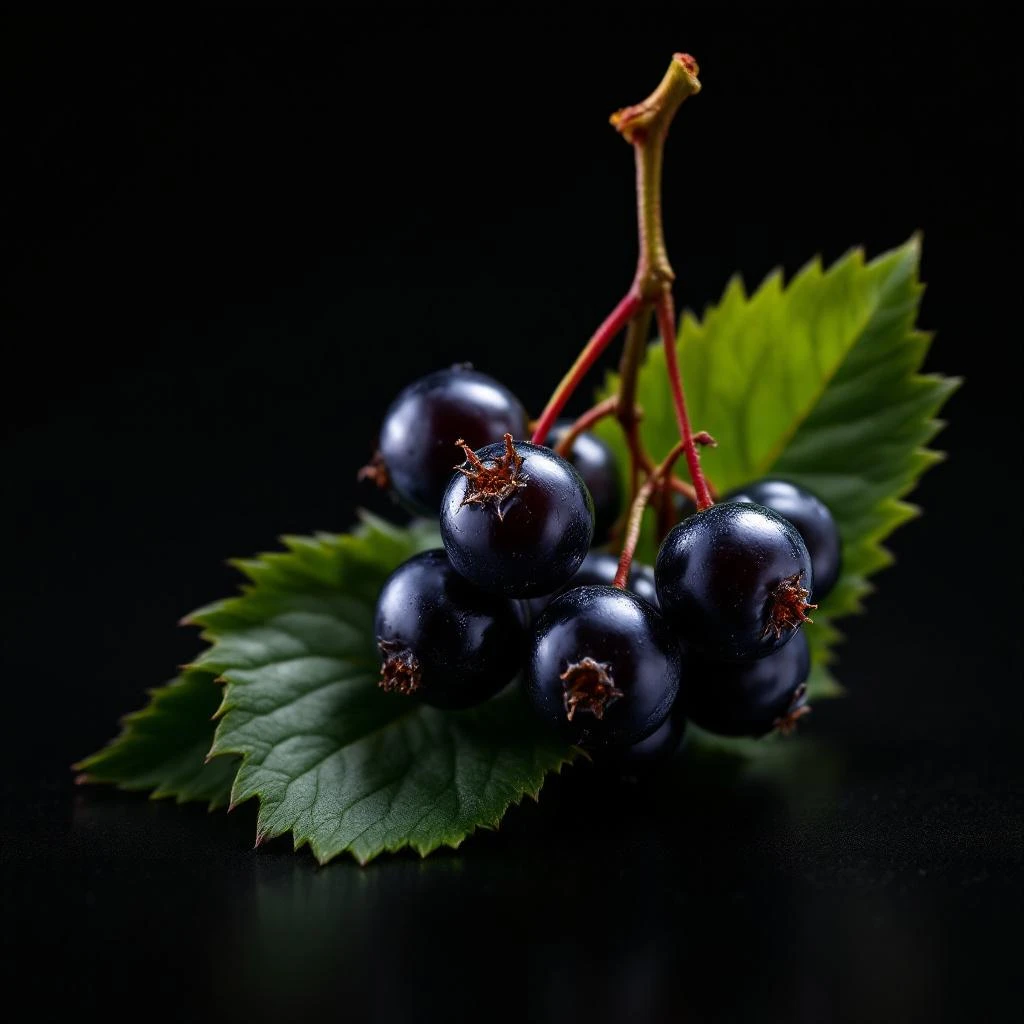
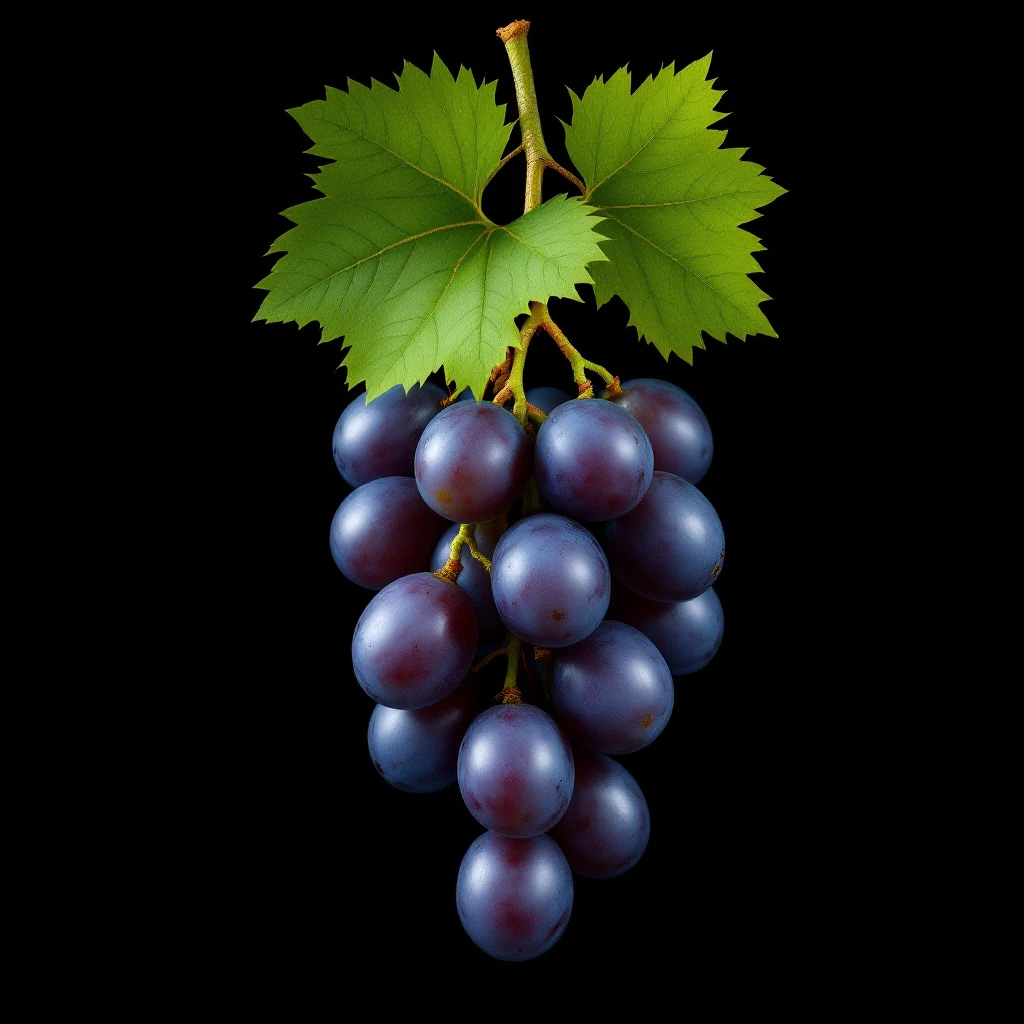
Isabella Grape captures the bold, candy-like sweetness of the Vitis labrusca cultivar. Its distinctive concarine aroma and deep purple character bring a nostalgic, jammy quality to fragrance compositions. This North American native grape lends a uniquely tart-sweet dimension that bridges wild berry and table grape into one aromatic signature.
Character
How it smells
A nostalgic grape with wild, jammy depth.
The Isabella grape gets its name from a South Carolina widow who distributed the vine to neighbors in the early 1800s, never seeking credit or profit.







Origin
United States
The Isabella grape traces its roots to early 19th-century North America, where it emerged as a chance seedling of Vitis labrusca, the native fox grape. Egyptian perfumers were using grape-derived materials as early as 1850 BCE, though the Isabella cultivar itself became a perfumery ingredient much later. By the mid-1800s, grape extracts appeared in European fragrant waters and pomades, valued for their sweet, wine-like character.
The Isabella variety gained particular prominence in American folk medicine and winemaking before perfumers recognized its aromatic potential. Today it remains a niche but distinctive ingredient, prized for a flavor profile that European Vitis vinifera grapes cannot replicate.
Wears it best
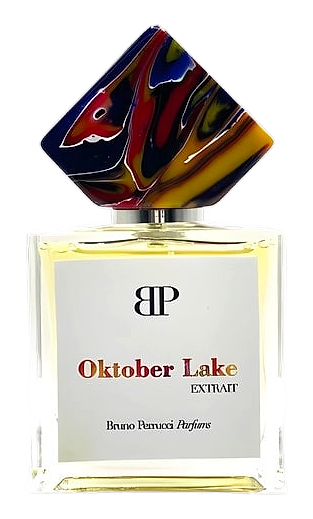
Fragrances featuring Isabella Grape
Good to know
Questions, answered
The essentials on Isabella Grape in perfumery: how it smells, where it comes from, and how it behaves on skin.
What does Isabella Grape smell like in perfume?
Isabella Grape delivers a bold, candy-like sweetness with jammy depth and a distinctive concarine note. It reads as simultaneously fruity and floral, reminiscent of grape juice and wild berry jam.
Is Isabella Grape a natural or synthetic ingredient?
Isabella Grape used in perfumery is typically derived through natural solvent extraction or headspace capture. Some fragrance houses also create nature-identical reconstructions for consistency.
Why is distillation not used for grape extraction?
Heat damages the delicate aromatic compounds in grapes. Perfumers rely on solvent extraction or headspace techniques to preserve the fruity, wine-like volatiles intact.
What fragrance families use Isabella Grape?
Isabella Grape appears most often in fruity, chypre, and gourmand compositions. It works as a bridge between bright berry and deeper wine-like accords.
Does Isabella Grape come from wine production?
While Isabella grapes were historically used for winemaking, perfumery extraction typically focuses on the fresh grape material rather than wine byproducts.
When did grapes first enter perfumery?
Grape-derived materials appeared in perfumery as early as 1850 BCE in Egyptian formulations, though the Isabella cultivar became a recognized fragrance ingredient much later.
What part of the grape plant is used in perfumery?
Perfumery extraction targets the grape flesh and skin, where the aromatic volatiles concentrate. Grape seed oil, a separate material, comes from winemaking byproducts.
Is Isabella Grape commonly available in fragrances?
Isabella Grape remains a relatively niche ingredient. It is most often featured in artisanal and boutique fragrances that emphasize fruity, wine-inspired compositions.