
The Story
Why it exists.
The beginning
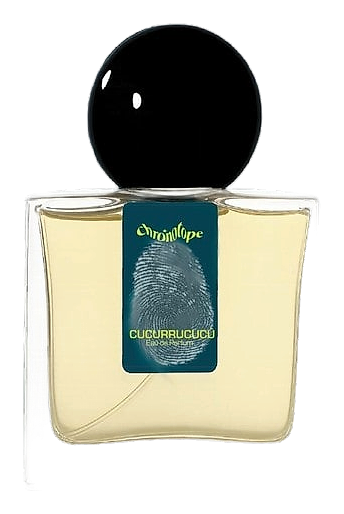
Cucurrucucú takes its name from a Mexican song, a folk lament so mournful it practically weeps for you. Perfumer Carter Weeks Maddox translated that ache into olfactory form: absinthe opening, copal and mezcal at the heart, an ink-and-tar finish that stains the air long after you've left the room. It's a Chronotope composition through and through, narrative-first, built to map a specific emotional geography rather than chase a pleasant smell. Maddox has described his work as autotheoretical, treating each fragrance as an extension of lived experience and personal essay. Cucurrucucú began as an evocation of that lamento sound, the way grief and beauty braid together, and then grew into a smoky copal-and-mezcal eau de parfum that doesn't flinch from its own darkness.
What makes this composition unusual is the structural weight placed on materials most houses treat as accents. Copal and mezcal aren't supporting players here, they carry the entire mid-phase, lending a resinous, almost spirituous burn that reads as incense to some and as a barroom to others. Tar in the base, paired with ink and muskrat, creates a drydown that feels graphic, like a charcoal sketch rather than a painting. Absinthe at the top sets up a bitter, herbal greenness that refuses to sweeten itself as the hours pass. Together, these choices describe a fragrance that values atmosphere over approachability, one that assumes the wearer knows what they're asking for.
The evolution
The absinthe opens cold and green, that bitter, wormwood-edged bite that settles across the collarbones like fog across a window. It reads almost mentholated up top, a bracing coolness that makes the rest of the composition feel warmer by contrast. Then the mezcal arrives, bringing its charred-agave heat, and the copal rises alongside it like incense catching on smoke. Pine and papyrus add a dry, papery texture, almost like reading a letter in a room that smells of old leather. The saffron sits underneath, warm and slightly leathery, threading through the smoke without ever dominating. As the hours pass the top recedes and the base takes over. Hinoki wood and cedar form a quiet, almost meditative skeleton, dry and reverent.
Cultural impact
Cucurrucucú finds its audience among wearers who want something with weight to it, the sort of fragrance that asks to be noticed and then holds its ground once it has your attention. It's not built for the office or the dinner table; it's built for the deep end of the night, for rooms thick with smoke and conversation. Wearer accounts tend to describe it as demanding, a perfume that opens with absinthe's bitter green bite and then deepens into something almost funerary, all copal and tar and ink.