
The Story
Why it exists.
The beginning
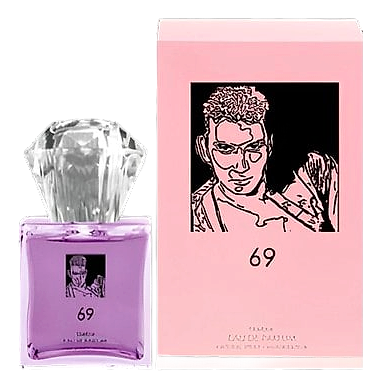
69 presents itself with an assertion that is hard to ignore. The number itself suggests duality, a mutual exchange, warmth passed between equals. The composition builds around contrast, around the push and pull of notes that shouldn't coexist but do. Where some fragrances announce themselves loudly, this one holds its own in a room without needing to shout. There's a confidence in how it carries itself, a restraint that reads as intention rather than absence. The interplay between bright and dark elements creates something that feels considered, each layer present but none overwhelming. It reads less like a product and more like a statement, an olfactory form that asks something of the wearer rather than simply pleasing.
Bergamot and rose open bright, almost polite, before the cinnamon arrives to complicate things. Cardamom, clove, bay leaf form an aromatic chord that leans herbaceous. The base moves away from sweetness entirely. Cashmere wood and oakmoss give it an earthen quality that feels less like perfume and more like the memory of a place, somewhere warm, somewhere with old wood and spice. That's the distinction worth noting: this one goes dry. It goes green. It goes unexpected.
The evolution
The opening arrives bright with bergamot and mandarin, a rose that carries a certain softness, and lily of the valley adds brief coolness before it fades, as lily tends to do. The spice develops and takes hold, cinnamon dominating alongside cardamom and clove, creating a warmth that reads autumn rather than summer. A leather quality surfaces at some point during the development, soft and animalic in character, before sandalwood smooths everything into something creamier. As the florals recede, what remains is cashmere wood, cedar, a touch of ginger, and patchouli, earthy and woody, intimate in its presence. The drydown phase extends as the fragrance settles into its base notes, with the cashmere wood and cedar becoming more prominent, the patchouli providing depth and a subtle earthiness that grounds the composition.
Cultural impact
69 presents itself as an unconventional entry in the fragrance landscape. The provocative name suggests a willingness to challenge expectations, to step outside the conventions that often govern how perfumes are named and positioned. This approach aligns with a broader current in fragrance culture where consumers seek unique, conversation-starting scents over safe crowd-pleasers. The note pyramid moves from bright citrus into classic florals with an unusual aromatic heart, representing a compositional choice that prioritizes character over accessibility.