Christopher DiCas
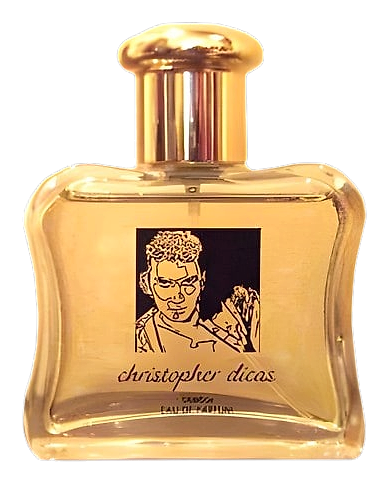
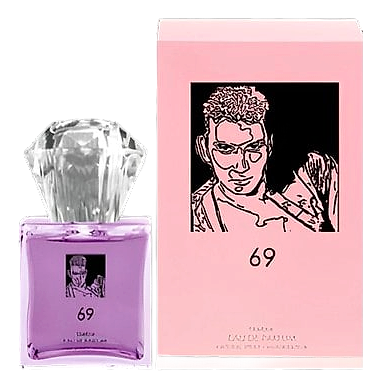
Christopher DiCas arrived in fragrance through an unexpected door. A celebrated actor, musician, and psychologist, he brought his artistic sensibilities and understanding of human emotion to perfumery, treating scent as another medium for expression. Rather than emerging from a traditional perfumery apprenticeship, DiCas approached fragrance creation with the instincts of a creator who understands how different art forms intersect. His 2011 debut with 69 Le Parfum marked a bold entrance into haute parfum, demonstrating that跨界 collaboration and unconventional backgrounds can yield compelling olfactory work. The brand, operating from a position outside the traditional fragrance industry hierarchy, has built a devoted following among those who appreciate its unique origin story. DiCas continues to develop new editions, with the most recent arriving in 2018.
The hits
Notable creations

The signature
How Christopher composes
DiCas gravitates toward opulent, statement-making compositions. His signature work, 69 Le Parfum, demonstrates a preference for rich, luxurious materials and bold sillage. The brand's Italian perfumery associations suggest an influence from Mediterranean olfactory traditions, with emphasis on warmth, depth, and lingering presence. His fragrances tend toward complexity and intensity, designed for those who wear scent as an assertion of identity rather than a subtle background note. While the limited available range makes comprehensive style analysis challenging, the brand's trajectory from 2011 to 2018 shows a commitment to maintaining this distinctive approach rather than expanding into commercial or accessible territory.
Philosophy
What drives Christopher
DiCas approaches fragrance as an extension of his broader artistic practice. Rather than viewing perfumery as separate from his work in acting and music, he sees all three as expressions of the same creative impulse. His psychology background informs a deep understanding of how scent interacts with memory and emotion, guiding his work toward compositions that aim to evoke specific psychological states. He describes his creative process as intuitive rather than technical, favoring emotional resonance over chemical precision. This approach results in fragrances that feel personal and narrative-driven, as if each bottle contains a story waiting to unfold on the skin.
The houses