The Story
Why it exists.
The beginning
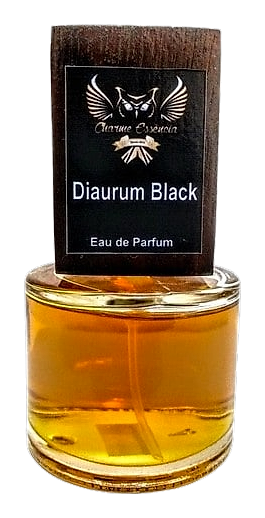
Diarum Black arrived in 2017 from Charme Essência, the Brazilian house that names its scents like quiet declarations rather than product codes. The perfumer, Fabiano JS, built the composition around an unlikely Brazilian hero: jabuticaba, the purple fruit that grows directly from the trunk of its tree, staining everything it touches. Paired with black pepper, cardamom, tobacco, and a leather base, the result reads as a study in warmth with an edge. Each scent proposes a mood rather than a marketing angle. Diarum Black proposes something specific: late evening, good coat, no need to explain yourself.
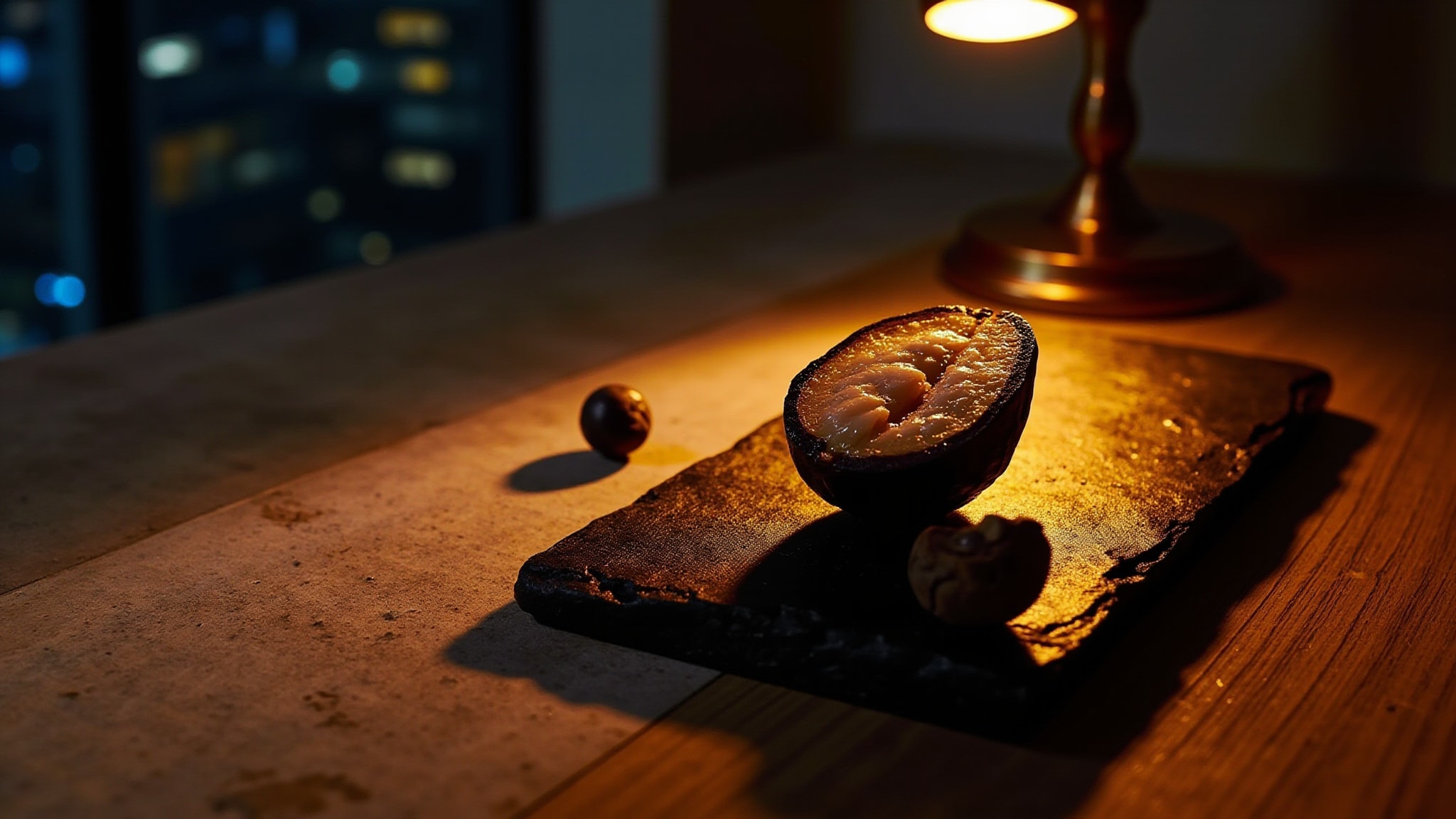
Jabuticaba is the move that makes Diarum Black more than another tobacco-leather composition. The fruit arrives first, jammy and almost wine-like, and the spice cabinet (black pepper, cardamom) sharpens it before the tobacco and tonka arrive. The cashmeran adds a soft, synthetic-skin warmth that bridges fruit and leather. It's a deliberate tension: something tropical and edible meeting something dry and smoky. That friction is the fragrance.
The evolution
The opening belongs to jabuticaba and pepper. Dark, sweet, almost port-like, with a pepper bite that keeps it from going syrupy. Cardamom threads underneath, adding lift. The fruit retreats and the tobacco arrives properly, joined by tonka's almond-vanilla sweetness and cashmeran's soft musk. The leather shows up suede-soft rather than aggressive, layered over oakmoss and patchouli that ground everything in earth and bark. The musk in the base carries the drydown, a skin-warm close. The sillage stays moderate, so the scent stays close to the wearer rather than projecting across rooms.
Cultural impact
The use of jabuticaba, a fruit almost never featured in Western fragrance, makes Diarum Black a distinctive composition. Wearers tend to gravitate toward it in cooler months, with seasonal votes skewing toward winter and fall.