The Story
Why it exists.
The beginning
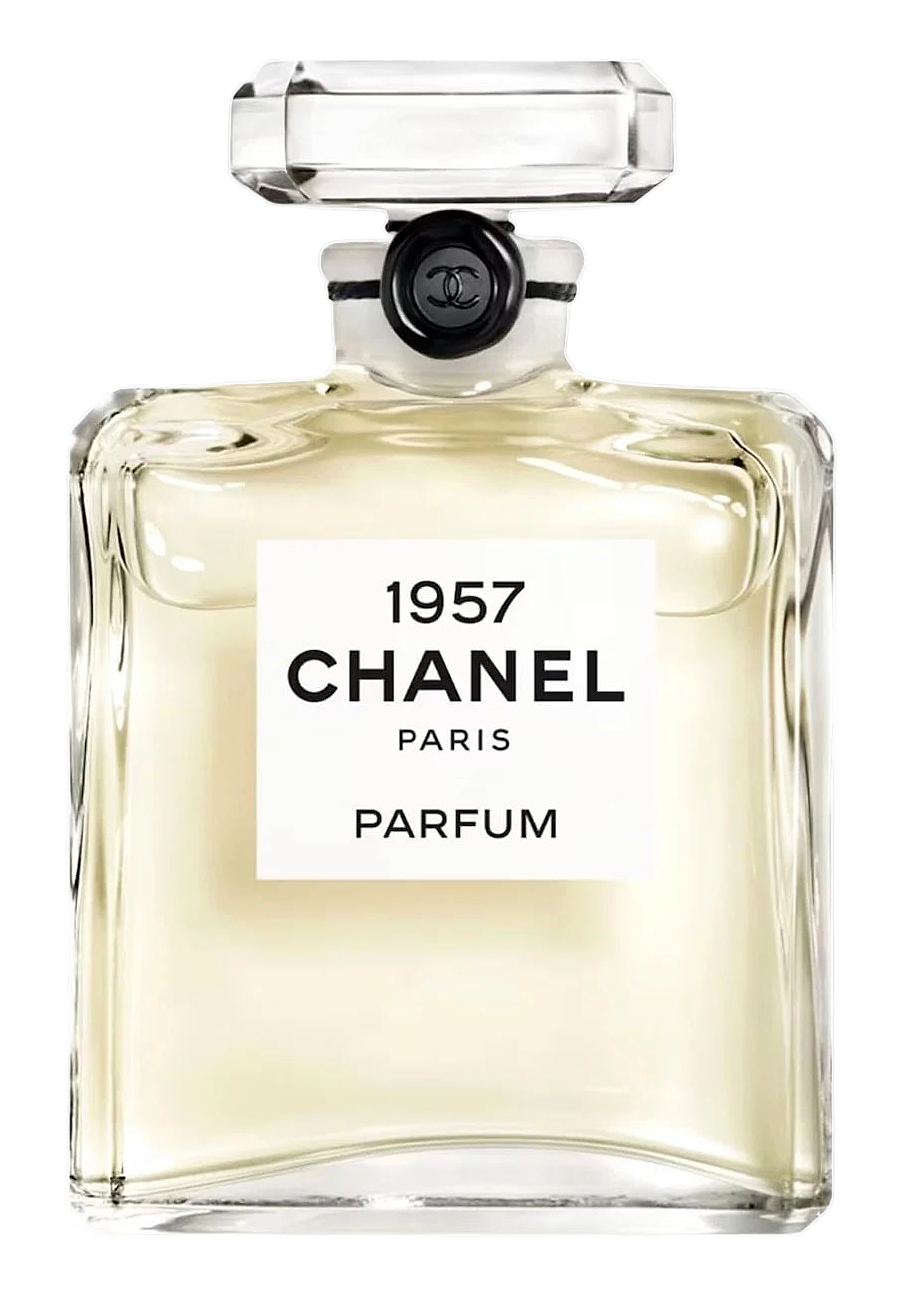
1957 Extrait de Parfum joins Les Exclusifs de Chanel in 2026, a more concentrated reading of a composition Olivier Polge first shaped for the numbered collection. The year in the title nods to the moment Gabrielle Chanel redefined modern elegance, the precision of a tweed suit, the geometry of a black-and-white palette, and the kind of restraint that reads as confidence without volume. Polge's task was to take that clarity and turn it up. Not louder. Closer. The extrait format lets the cedar and iris settle into the skin differently, more resonant, less soapy, the composition tightened around its own center. This is Chanel editing its own line, refining what refinement already looked like.
What makes the extrait distinctive is not a new ingredient list but a recalibration. The cedar has been turned up and the soapy musk turned down, a deliberate shift that trades airy freshness for a warmer, woodier clarity. The result reads almost peppery at first, a clean sharpness that quickly softens into the powdered intimacy of iris and white musk. It's a different animal from the EDP. Same DNA, tighter spine. The neroli that lifted the original now anchors a more sculpted composition, the iris glowing with a steadier light as the hours roll on.
The evolution
The opening is immediate: bergamot and neroli cut sharp, almost cold, the way a starched collar feels against the neck. There's a talc-like softness underneath, a clean musk that powder rather than perfume. Within fifteen minutes, the iris arrives, not loud, not violet-sweet, but ripe and slightly rooty, the way real orris smells before it becomes anything else. The cedar enters here too, dry and architectural, giving the heart a kind of structure you can almost feel. By the two-hour mark, the white musk has settled into something close and warm, skin-like without being sweet, and the honey appears as a faint golden hum rather than a note you can point to. The drydown is where this extrait earns its concentration: eight hours of soft cedar-muscle, a quiet resonance that holds on fabric the next morning like a memory of someone who left the room an hour ago.
Cultural impact
1957 Extrait de Parfum sits at the quiet end of Les Exclusifs, a line more whispered about than splashed across headlines. The extrait format places it firmly in territory where concentration, longevity, and skin-close intimacy matter more than sillage or shelf presence. It's a release that asks for close attention, built to be discovered slowly rather than worn loudly. The composition rewards that proximity with layers you have to lean in to catch. Cedar, iris, white musk, neroli, and honey arrive in a sequence that unfolds across hours, each phase replacing the last with a different kind of softness.