The Story
Why it exists.
The beginning
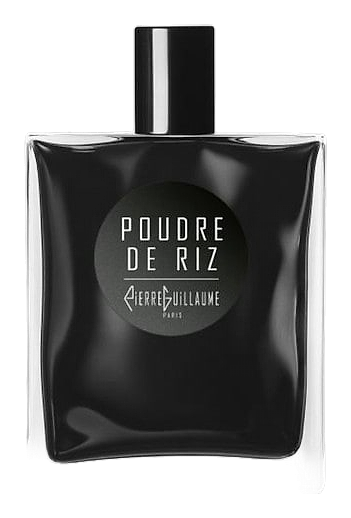
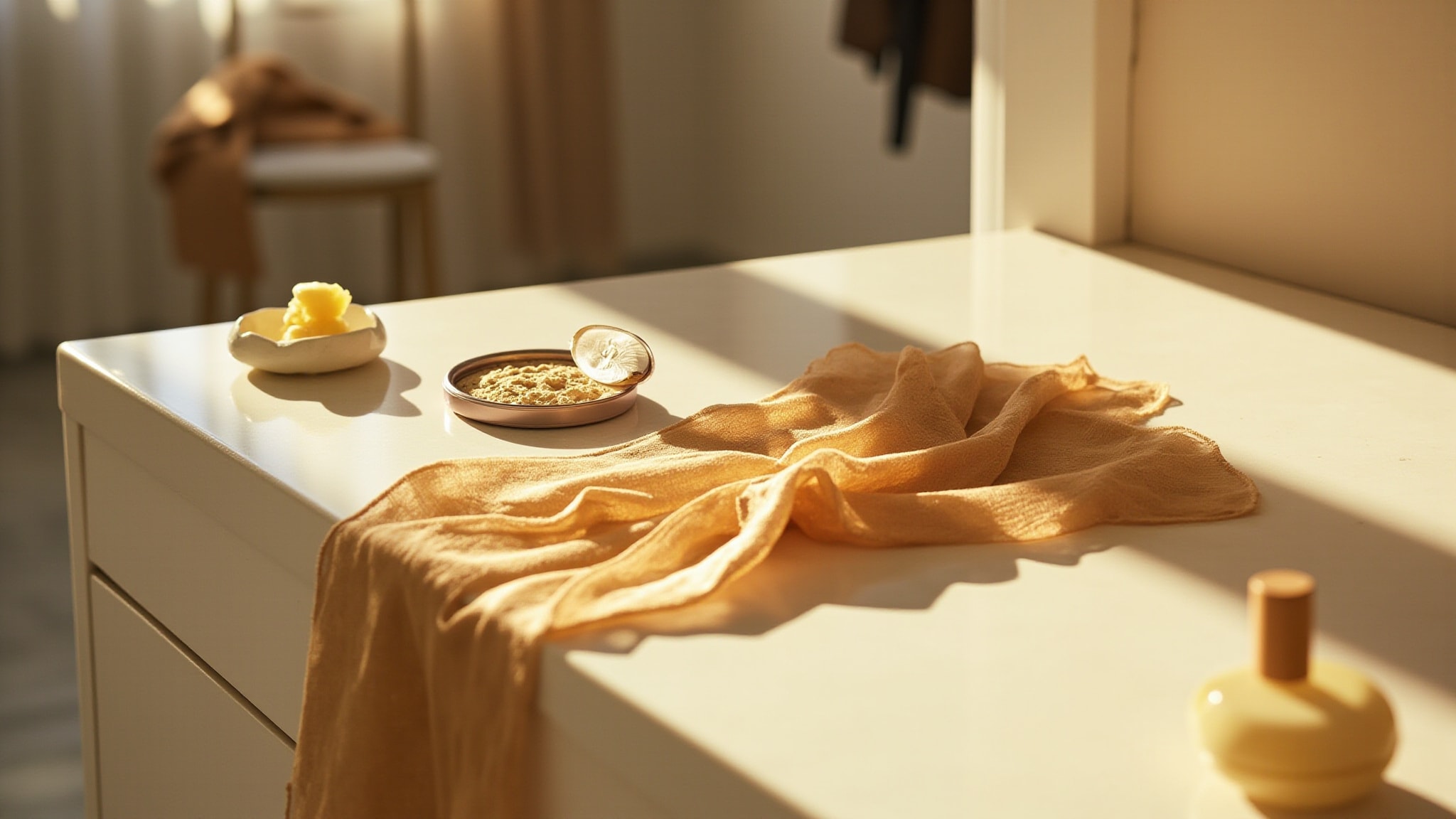
Poudre de Riz translates directly to 'rice powder', the kind of talc that lived on a vanity table in a time before fragrance became performance. Monoï and vanilla pods anchor the composition in warmth and memory. The scent evokes the intimate atmosphere of a vanity table, with subtle echoes of preparation and care. It speaks to those who appreciate understated elegance and quiet sophistication. This is a fragrance rooted in personal ritual, designed for moments of self-attention rather than public display.
The note pyramid reads like a recipe for comfort: coconut milk, caramel, tonka bean, maple syrup, sweetness without sharpness. Rice powder brings a delicate, almost invisible quality to the blend, while iris adds a powdery depth that rounds out the sweetness. They temper the vanilla, preventing it from becoming overwhelming and instead letting it exist in a softer register. Tolu balsam and benzoin ground the whole thing in a dry, slightly resinous warmth that keeps it from becoming dessert.
The evolution
The opening hits creamy, coconut milk and tiare, a warmth that feels almost edible. Vanilla pod arrives, sweet and vanillin-rich, but the rice powder is already there underneath, keeping everything soft, pressed. The Damask rose appears, not a blooming rose but waxy and powdery, the kind of rose that lives in lip balm. The coconut milk begins to recede, pulling back to reveal the heart. The heart settles into a warm powder: rice, tonka, and a quiet cedar that keeps the sweetness from cloying. The sandalwood and benzoin remain, a close, dry warmth that stays near the skin. On fabric, the vanilla and rice powder linger.
Cultural impact
Rice powder has long been a staple in East Asian beauty rituals, used to achieve a smooth, matte complexion. When French colonizers encountered these practices in Indochina, they brought the concept back to metropolitan France, where it was reimagined through the lens of Parisian elegance. Vanity tables across Europe featured rice powder compacts as essential tools of feminine grooming, a ritual that symbolized refinement and self-care. Pierre Guillaume's composition captures this ritualistic dimension, translating the intimate act of powdering one's face into a wearable sensory experience.