
The Story
Why it exists.
The beginning
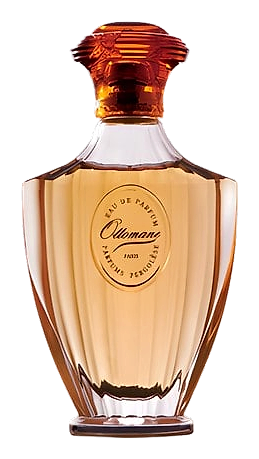
The name Ottomane points to something low, cushioned, made for reclining, furniture that invites you to stay. Released in 1993 by CFFC Fragrances, the scent was designed to evoke that same quality: something soft that nonetheless commands the room. Originally marketed by Ulric de Varens before CFFC took over the license, the fragrance built its identity around contrast, florals that arrive with weight, spices that don't apologize for themselves, a warmth that settles rather than fades. The name and the composition both suggest luxury in the old sense: comfortable, assured, and not trying to prove anything.
What makes Ottomane interesting as a composition is how it stacks floral over spicy over woody without letting any layer disappear. The carnation and marigold open with a slightly medicinal warmth, the kind that recalls older perfumery. The tuberose in the heart isn't the heady tropical kind, it's creamier, given structure by jasmine and orange blossom. The violet adds powder without becoming baby powder. There's a richness here that feels deliberate, each note occupying its own space while contributing to a whole that feels both complex and coherent.
The evolution
The opening announces itself with carnation and marigold, a spiced, almost camphorated warmth that reads as somewhat formal at first spray. Give it ten minutes. The florals begin their slow takeover: tuberose first, then jasmine filling in the spaces between, orange blossom adding a bitter-green edge that keeps everything from getting too soft. The transition isn't dramatic. It's a gradual opening of curtains, light arriving in stages. The base notes develop as the florals settle. Sandalwood and cedar form a wooden platform. Patchouli darkens the edges without becoming dirty. Vanilla and tonka bean sweeten the middle without becoming dessert, there's too much powder, too much spice for that. The musk in the foundation keeps the whole thing close to skin, intimate rather than announcing.
Cultural impact
Ottomane presents itself with a density that demands attention. Seven top notes, six heart notes, seven base notes. It's not trying to be minimal. The structure is deliberate, each layer building on the ones before it, creating something that reads as opulent by contemporary standards. For a certain wearer, someone who remembers when more meant more, Ottomane feels like a statement worth making. The fragrance doesn't apologize for its complexity. It opens with spiced warmth, transitions through powdery florals, and settles into a woody foundation that lingers close to the skin.