
The Story
Why it exists.
The beginning
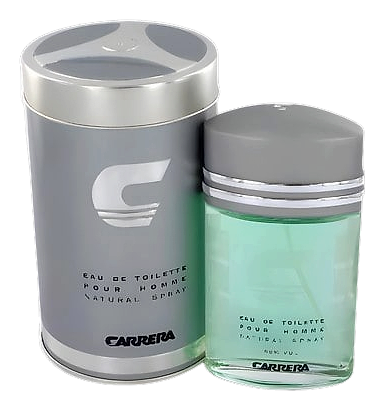
Carrera arrived in 1988, entering a men's fragrance landscape that rewarded bold declarations and strong projections. Mülhens, the German house, took a different approach with the brand Carrera, drawing its name from the world of speed and precision, the legendary Carrera Panamericana road race. The intention was clear: create a fragrance for men who didn't need to prove anything through scent alone. Peter Schmidt designed the bottle, working with clean geometry and a weight that felt substantial without being ostentatious. The profile suggested both bathroom shelf and leather briefcase, adaptable rather than showy. No chrome accents. No unnecessary ornamentation. The design followed function, executed in a distinctly German manner.
What makes the original Carrera interesting isn't the lavender, that's expected in an aromatic fougère from that era. It's the anise. Black licorice, cool and slightly medicinal, sitting in the heart like a question mark. On first spray, alongside the coriander and rosemary, it creates a herbal tension that reads almost savory. Some noses flag it as too sharp. Others lean in. The sandalwood treatment in the base is where the house's experience becomes apparent.
The evolution
The opening is all business. Lavender and bergamot arrive together, clean and immediate, with rosemary and coriander adding herbal depth underneath. The anise emerges as the scent develops, shifting the character from textbook masculine to something with a point of view. As the fragrance evolves, sandalwood becomes prominent. Jasmine and ginger soften what could have been harsh, creating a warmth that feels intentional rather than accidental. The drydown settles into cedar, leather, and musk, close to the skin, intimate rather than projecting. There is a lingering trace on fabric the following day, sandalwood and tonka remaining present. Not loud. But definitely there.
Cultural impact
Carrera existed as a short-lived standalone house, but its impact resonates with those who discovered it. The anise-led heart and sandalwood drydown offered something different from the bolder masculines of its era, a more considered approach that still holds appeal decades later. The fragrance carved a distinctive path during its time on the market.