
The Story
Why it exists.
The beginning
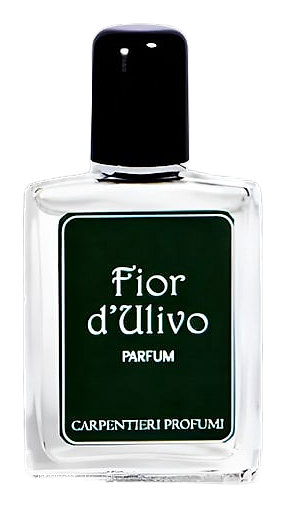
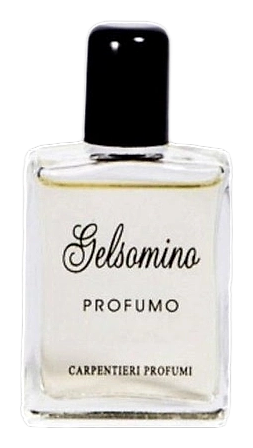
Carpentieri Profumi, the family-run house from Calabria founded in 1967, set out to bottle the region's pure, sun-kissed blossoms. Gelsomino emerged from that mission, inspired by the delicate jasmine that drapes the hillsides after a warm afternoon. The perfumers blended native jasmine with ylang-ylang and peach blossom to capture the sheer abundance of spring in Calabria. This opening sets the tone for a fragrance that honors place-based storytelling through authentic floral materials.
Carpentieri Profumi selected each note to reflect both the beauty and complexity of jasmine cultivated in Calabria. The pairing of jasmine with ylang-ylang reinforces the tropical floral character, while peach blossom adds a lightness that prevents heaviness. Orange blossom anchors the heart, referencing the bitter orang groves common throughout the region. Clove and carrot seed bring an unexpected complexity that speaks to the perfumers' willingness to explore beyond conventional floral accord structures. The drydown materials, particularly tolu balsam and guaiac wood, echo the resinous herbs native to Calabrian hillsides.
The evolution
The composition evolves by layering florals that reflect Calabria's Mediterranean climate. After the jasmine-led opening with ylang-ylang and peach blossom, the heart introduces orange blossom and clove, evoking the warm, herbaceous character of the region's landscape. Coconut and carrot seed add unexpected green, creamy facets that differentiate Gelsomino from simpler jasmine soliflores. In the drydown, benzoin and sandalwood create a warm, embracing base that echoes the evening air after a sun-soaked afternoon. Tolu balsam, oakmoss, patchouli and guaiac wood complete the evolution with resinous, smoky depth that grounds the florals in Calabrian earth.
Cultural impact
Since its introduction in the early 2000s, Gelsomino has become a subtle cultural marker among Mediterranean fragrance enthusiasts. Its blend of jasmine and peach blossom evokes the scent of coastal gardens at sunrise, resonating with locals who associate the perfume with seasonal festivals. Over the years, the fragrance has been featured in boutique showcases and private collections, symbolising a bridge between traditional Italian perfumery and contemporary tastes. Collectors note its presence in curated scent cabinets, and its modest yet distinctive profile has inspired discussions about the evolution of white‑floral warm‑spicy compositions in modern niche markets.