The Story
Why it exists.
The beginning
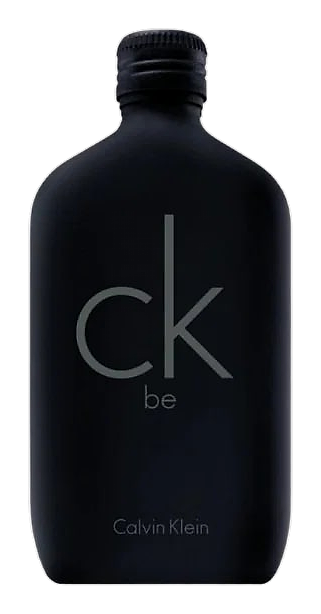
CK Be arrived in 1996, bringing with it a shift in vocabulary for the house. The perfumer, Rene Morgenthaler, built it around a juniper and mint opening that reads cool and green before the composition learns to breathe. There's a cold clarity at first spritz, almost mentholated, that takes a moment to settle into the warmer architecture underneath. The brand was already fluent in minimalist composition by then, and this release extends that language into something more grounded, closer to skin, closer to evening. Where some fresh compositions lean aquatic and transparent, CK Be pushes toward a quieter density, the kind of scent that prefers to linger rather than announce itself.
The interesting move here is opoponax in the base. It's a balsamic resin with a honeyed, slightly smoky character, and pairing it with sandalwood and tonka gives the drydown a sweetness that's warm without becoming gourmand. The combination has a tactile quality to it, almost like running fingers over raw wood that's been warmed by sun. The mint up top reads almost mentholated at first spritz, then softens as the composition settles. White peach in the heart bridges that cold opening to the warmer base, offering a brief moment of softness before the woods take over.
The evolution
First fifteen minutes are loud and almost aggressive. Juniper and bergamot hit sharp, mint chills underneath, and mandarin rounds the edges just enough to keep it from feeling like aftershave. By the thirty-minute mark the cold recedes. White peach arrives softly, almost evasively, and the spices underneath it start pulling warmth into the composition. An hour in, the sandalwood has settled into place. Opoponax and tonka bean build underneath it, creating a quiet sweetness that doesn't announce itself. Two hours in, the scent reads close to skin. The mint is a memory, the citrus is gone, and what remains is a woody-amber softness with a faint resinous edge. The drydown has a particular intimacy to it, the kind of scent that someone close would notice before you would.
Cultural impact
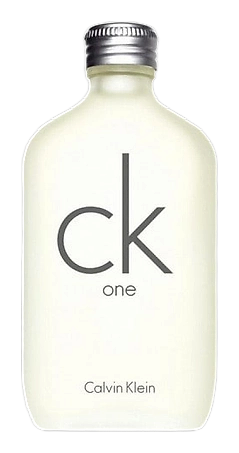
CK Be arrived in 1996 as a fragrance marked for both women and men, extending the brand's exploration of shared scent territory into warmer, woodier territory. The composition trades transparency for density, offering something more grounded than the fresh-citrus archetype that dominates much of unisex perfumery. The bottle itself reflects that restraint, clean and unfussy, the kind of design that disappears into a bathroom shelf rather than demanding attention. Wearers tend to reach for it when they want a genderless scent with real depth, something that reads close to skin and evolves quietly over the course of a day.