The Story
Why it exists.
The beginning
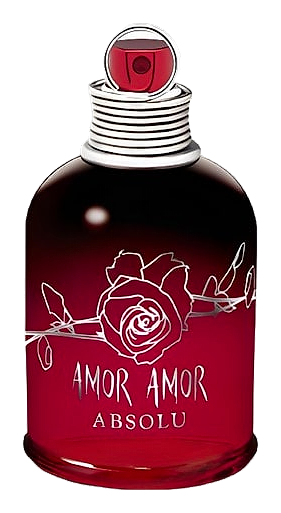
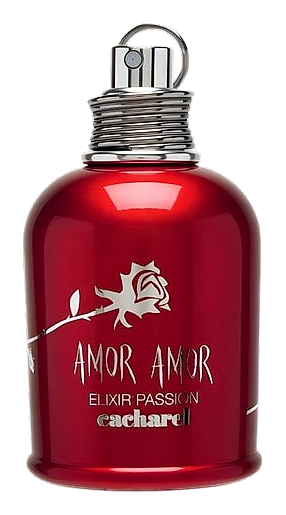
In 2006, Cacharel released Amor Amor Elixir Passion as a darker, more resinous chapter in the Amor Amor lineage. The original had already made its mark with candy-bright fruit and easy charm, and this was the follow-up that traded some of that fizz for ambered depth. The brief, in effect, was to keep the fruit, but pull the lights down around it. The juice stays generous, the sweetness stays generous, but there's a grown-up hush underneath it, the kind that makes a familiar formula feel like it's walked into a different room.
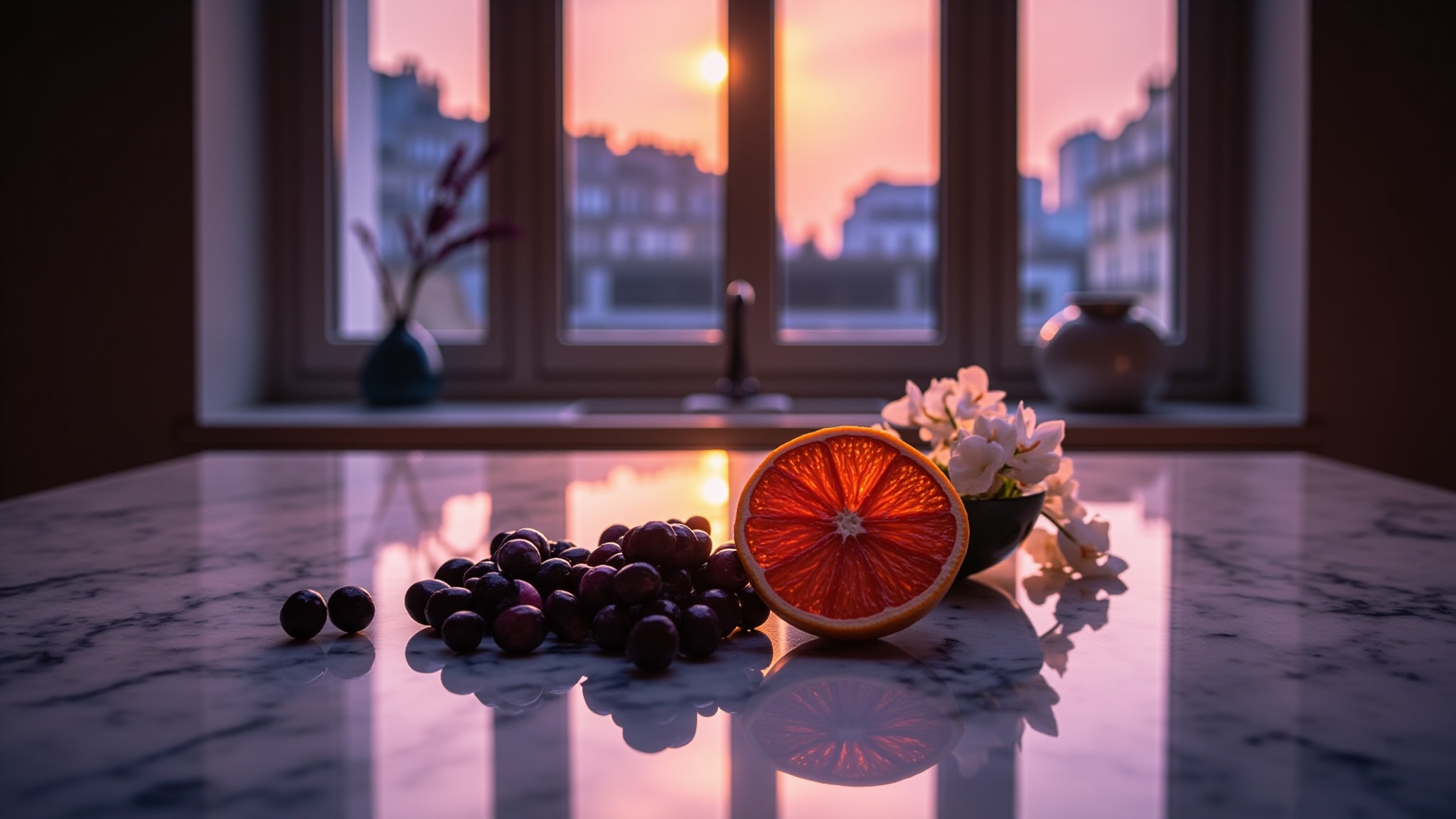
The real shift is structural. Where the original Amor Amor leaned on apricot and bergamot (information available via the search snippet), this one swaps those openings for blackcurrant and blood orange, darker fruit notes with a confectionery weight that reads almost like a syrup poured over crushed ice. Then comes tiara flower, an exotic white floral that brings a coconut-sunscreen creaminess to the heart, sitting unusually close to benzoin for this register.
The evolution
The first five minutes are all blackcurrant and blood orange, bright, almost like a cordial poured over ice. The sweetness is generous but not cloying, more like a syrup that's been cut with citrus so it never sticks. Then the white florals surface. Tiara flower arrives first, creamy and a little tropical, with a sunscreen-soft warmth that gives the opening a suntan-lotion roundness before it begins to dry down. Jasmine and lily of the valley follow shortly after, softening the fruit rather than replacing it, layering petal-cool edges over the syrup. By the one-hour mark, the citrus has gone and the composition feels warmer, ambered, like someone dimmed the lights. Benzoin takes over around hour three, sweet-resinous and slightly smoky, while the sandalwood underneath gives it a milky wood cradle that holds everything together. The drydown settles into a close, amber-woody warmth.
Cultural impact
Amor Amor Elixir Passion sits in a particular pocket of mid-2000s perfumery, a release that reads clearly as a time and place. The fruit-led opening feels rooted in the candy-floral conversation that defined early-2000s shelves, while the ambered benzoin and sandalwood base pulls it toward something more grown. It sits at an intersection, sweet enough to feel like a young wearer's first serious bottle, but with enough resin underneath that it doesn't embarrass a few years later. That balance is the whole appeal: a juice you can wear at nineteen and still recognize at twenty-eight.