The Story
Why it exists.
The beginning
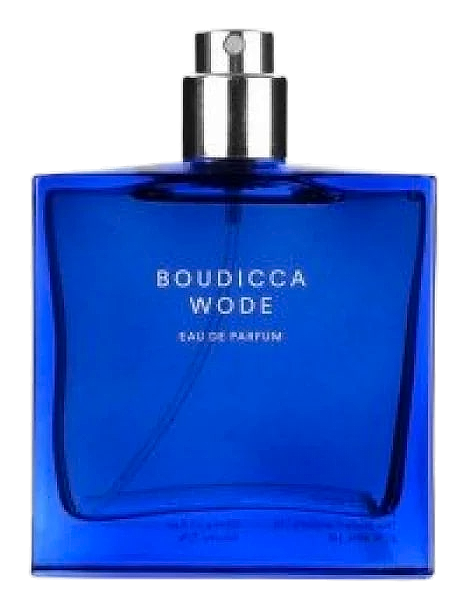
Wode launched in 2008, the same year the house began drawing attention under its stripped-down single-word styling. Wode was composed by Geza Schön, a perfumer with a reputation for unconventional constructions. The name refers to woad, the blue dye ancient Britons painted on their skin before battle. Not the color, though, the ritual, the preparation, the ferocity of it. The spirit of preparation runs through everything the house releases. Wode is the scent of getting ready for something you can't take back. It's heavy with intention, weighted toward materials that suggest age and ceremony, the kind of composition that asks you to slow down and pay attention to what you're putting on your skin. There's nothing decorative about it. Nothing accidental either.
Geza Schön built Wode around an unusual tension: rare and raw materials filtered through a deliberately dark, historical lens. Black hemlock sits alongside raw opium in the structure, the kind of note pairing that signals a perfumer willing to chase atmosphere over easy wearability. The saffron and cumin read almost edible, then the castoreum and leather undercut everything with something animal and alive. It's a composition that asks you to be present. The opening is sharp enough to clear sinuses. The heart is heavy enough to slow a room down.
The evolution
Wode doesn't unfold so much as shed skins. The first thirty minutes are almost aggressive: juniper and black pepper cut through, the dew drop note giving everything a wet, cold edge like fog on metal. Angelica root adds something earthy and slightly bitter underneath, the smell of roots pulled from cold soil. By the one-hour mark the spices have settled into something denser. Saffron and cumin warm the composition, tuberose blooms underneath in a way that reads creamy rather than white-floral, almost waxy. This is where the castoreum starts to register, a leathery, animal warmth that isn't skanky but isn't clean either. It's the scent of a fur collar on a cold night. The drydown is where Wode lives longest.
Cultural impact
Wode sits in an unusual category: a release that reads more like an experimental composition than anything in the current niche conversation. Geza Schön's involvement adds an interesting layer given his reputation for unconventional work elsewhere. Wode is maximalist, smoky, and historically weighted in a way few contemporary releases attempt. It appeals to wearers who want their fragrance to feel like armor. Not office-friendly, not date-night conventional, more the scent of someone heading into a situation where they intend to leave a mark.