
The Story
Why it exists.
The beginning
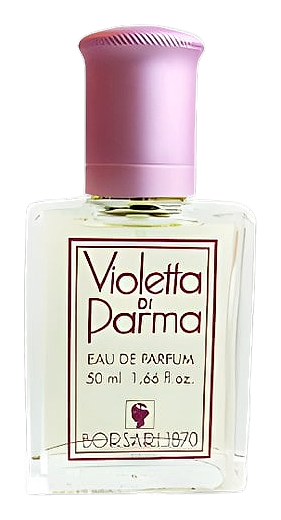
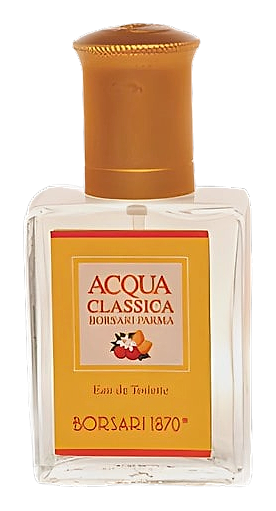
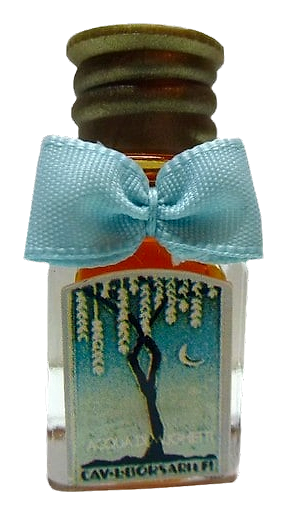
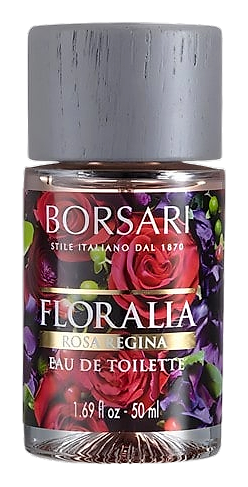
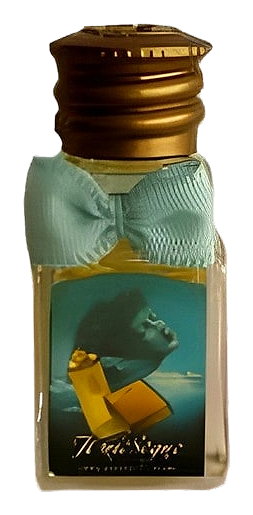
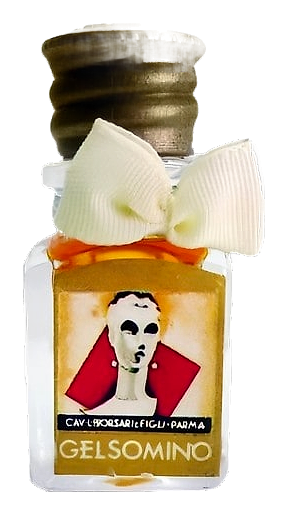
Ninfa di Prato arrived in 1924 from the Parma workshop of Borsari, a house already rooted in the Emilian perfumery tradition. The name belongs to a Parma perfume in the oldest sense of the word, an Italian floral from a house whose regional identity is impossible to separate from what sits inside the bottle. This composition sits firmly in the classical floral school, built around a unified floral accord rather than a constellation of separate ingredients. The enthusiasts database describes it as a classical early 20th-century feminine floral where the focus rests on the overall bouquet impression instead of any single note. Critics also describe it as soft, warm, and timeless in character. The accord here is the whole point.
What makes Ninfa di Prato worth attention is what it doesn't do. The accord design matters here because the entire composition is a single gesture, not a pyramid to be picked apart. You wear it for the impression, not the inventory. Every note is folded into the next without raising its voice above the rest, the florals and the soft sweetness answering each other in the same register, never competing for the spotlight. There is a discipline to that choice, a refusal to chase the louder corners of perfumery even when those corners were well within reach.
The evolution
The opening is the sweetest the fragrance gets, a lifted, almost soapy floral that catches the light like linen drying in a courtyard. Lighter touches sit at the very edge of the opening, quickly absorbed into the floral core as if they were never really there. Then the bouquet deepens. The petals lose their dew and start to feel more like dried flowers pressed in a book, warmer, faintly powdery, with a sweetness that no longer announces itself. The edges soften further as the day passes, and what remains is a skin-close hum of floral musk and faint sweetness. It does not transform into something else. It simply quiets, like a song played at lower volume. On a scarf it lasts into the next morning, faded to a ghost of warm petals. The progression from bright and gauzy to warm and powdery is gentle rather than dramatic, each phase handing off softly to the next without a clean break.
Cultural impact
Ninfa di Prato sits in a rare category: a floral from 1924 that still carries the Parma perfume tradition in its bones. Its classical floral profile places it in the lineage of Italian soft-floral perfumery, the regional tradition that treated the bouquet as a single impression rather than a collection of competing notes. The fragrance is one of those compositions that earns its place in Borsari's catalog not through novelty but through adherence to a regional way of working that has become harder to find as the industry chased louder, more engineered constructions.