
The Story
Why it exists.
The beginning
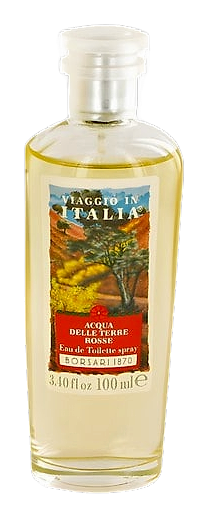
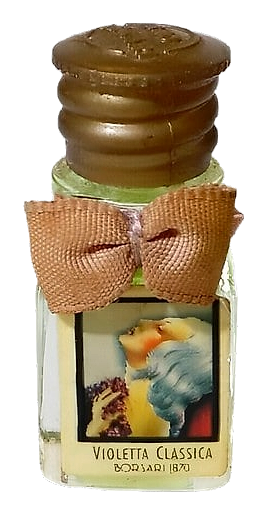
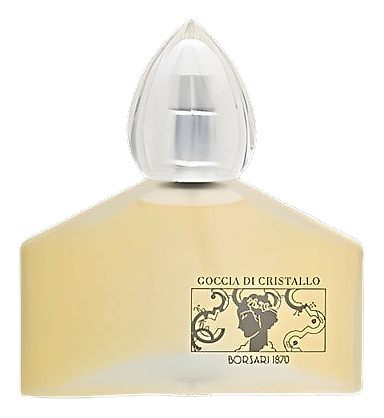
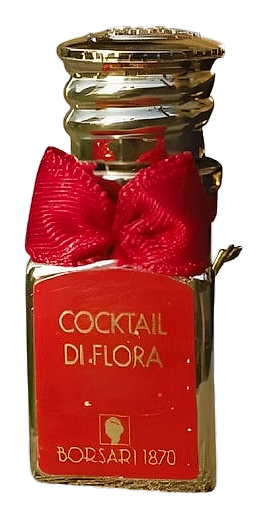
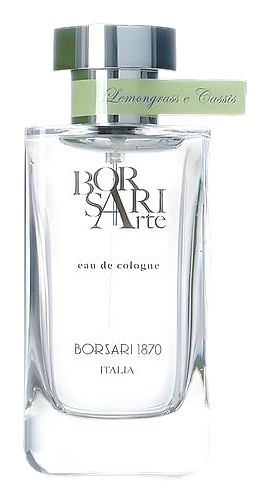
Desio arrived in 1924 from Borsari 1870, an Italian perfumery house. It is a citrus-forward women's fragrance built around bright, direct fruit with the confidence of early 20th-century Italian perfumery. No floral gymnastics, no oriental ambition. Just the uncomplicated pleasure of zest, released a century ago and still uncomplicated. The opening is brisk and immediate, the kind of citrus that announces itself before you've settled the cap back on the bottle. It smells clean and uncomplicated, less like a composed perfume and more like an intention. There's something in the way the citrus reads that suggests a house comfortable with its own shorthand, content to let one note family do the heavy lifting.
What makes Desio interesting isn't innovation. It's restraint. The reference data points to a single accord family: citruses. That clarity is the whole point. Rather than layering and complicating, the composition commits to a single idea and trusts it to carry the weight. The result is a scent that feels deliberate rather than limited, a study in how much one well-chosen accord can hold when it's allowed to speak for itself. Desio leans into that access rather than complicating it, and the resulting composition smells like its era. It's a document as much as a fragrance.
The evolution
Desio moves through its wear like a piece of citrus left out on a counter, gradually losing its sharpest edges without ever becoming something else entirely. In the opening, the fragrance hits with a brisk, immediate brightness, the kind of burst that feels almost physical, like a cold slap of clean air. That initial shock carries a green, slightly austere undertone, dry and pith-like, closer to the rind than to the flesh. As the minutes pass, that austerity softens. The sharpness doesn't vanish; it rounds into something warmer and more yielding, picking up a faint herbal undertone that gives the citrus a quieter dimension. By the middle of the wear, the scent reads less like an applied fragrance and more like a quality of the skin itself, warm and clean with just enough citrus still threading through to remind you it's there. The sillage stays moderate throughout.
Cultural impact
Desio sits in a category most modern fragrance culture overlooks: honest vintage citrus from a regional Italian house. It carries no overlay of marketing mythology, no niche positioning, no contemporary rebrand to soften its age. What it has is a hundred years of being what it is. The unremarkability is the appeal. For someone tired of overstatement, for someone who has run out of patience with compositions that try to be ten things at once, a fragrance this direct and this unadorned reads as relief. It doesn't ask to be noticed. It just shows up, does its job, and fades cleanly.