The Story
Why it exists.
The beginning
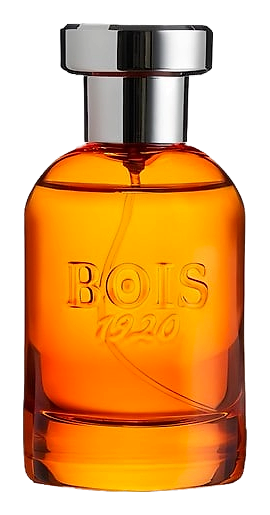
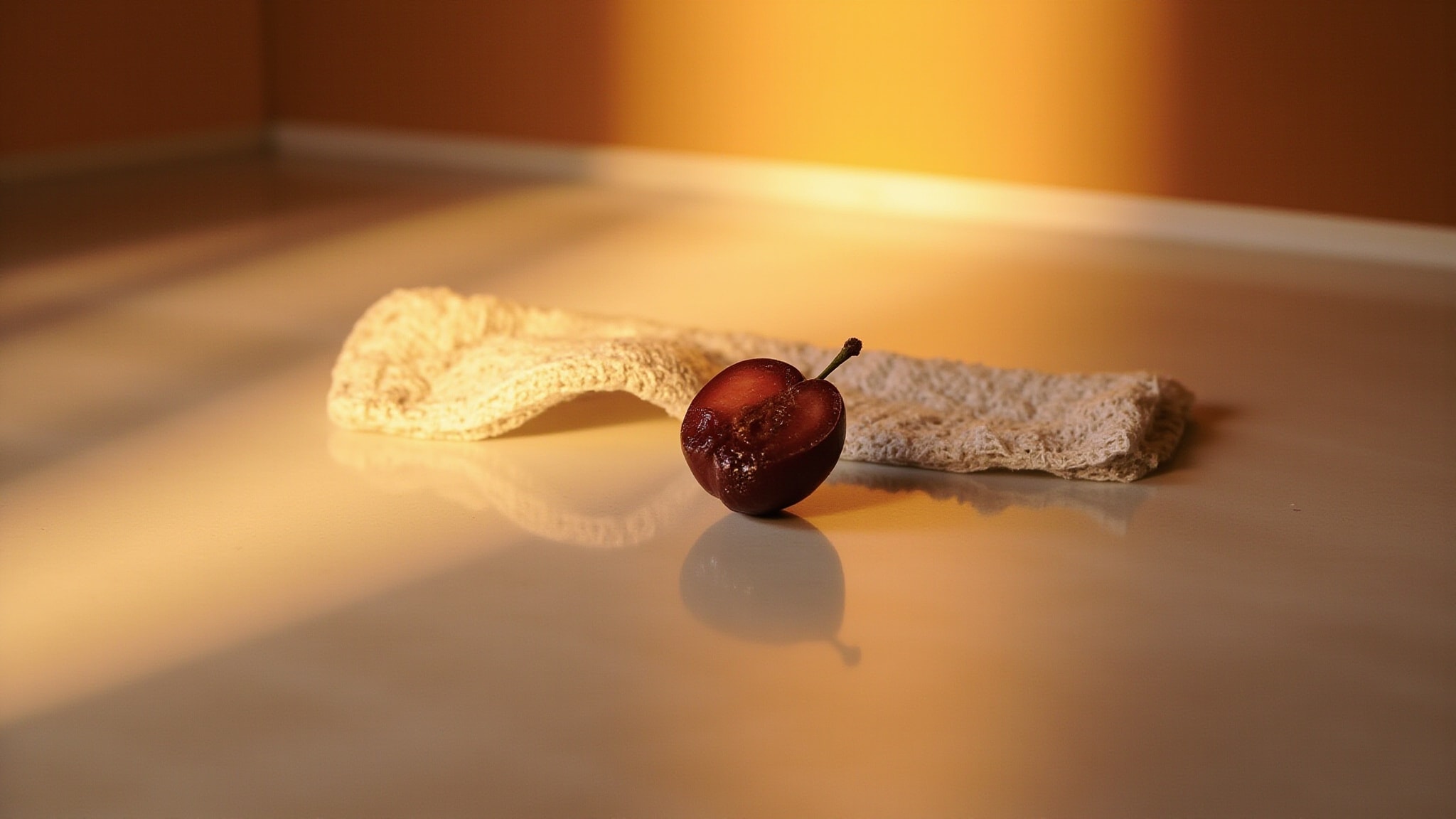
Come il Sole, Like the Sun, arrived in 2015 from Enzo Galardi at the Florentine house Bois 1920. The name is a statement of intent: this is warmth as a compositional strategy, not just a quality but the entire point. Where other Bois 1920 compositions trade in restraint and shadow, Come il Sole turns toward light. Cherry and bergamot open bright, almost playful, before the florals arrive, ylang-ylang and carnation, spicy and rich. Then the base: benzoin, tonka, vanilla absolute, oud. A cascade of warmth that builds rather than arrives.
What makes Come il Sole distinctive is its structure. Most warm ambers open dark and stay dark. This one opens with a bright cherry and bergamot duo, almost playful, before the florals arrive: ylang-ylang and carnation, spicy and rich. Then the base notes begin their long cascade: benzoin, tonka, vanilla absolute. The oud arrives late, adding a dark woody counterpoint that prevents the whole thing from reading as simply sweet. The brand calls it glowing like the Sun and that's accurate, it heats up over hours, not minutes. Eight to ten hours of warmth on most skin types.
The evolution
On skin, Come il Sole announces itself with bright cherry, almost aldehydic in its sparkle, and a clean bergamot that cuts the sweetness before it can cloy. Within twenty minutes, the florals arrive: ylang-ylang and carnation, jasmine lurking underneath. This is the warm heart, the middle act that justifies the name. By hour three, the base notes begin their takeover: benzoin, tonka, vanilla absolute. The oud arrives late, adding a dark woody counterpoint that prevents the whole thing from reading as simply sweet. By hour six, you're left with benzoin and vetiver, a clean, warm, slightly resinous skin scent that fades to something almost skin-like but warmer than your actual skin. On fabric, the vanilla and benzoin last well into the next day. You catch it on a collar the following morning and it still reads as present, still warm.
Cultural impact
Come il Sole entered the fragrance landscape in 2015, a period when the market was saturated with aggressive oud and sweet gourmands. Bois 1920, a Florentine house known for its shadowy, restrained compositions, made a deliberate pivot with this release. The fragrance arrived as a counterpoint to prevailing trends, emphasizing warmth as a compositional strategy rather than shock value. Galardi's creation reflected a broader cultural moment when perfumery began reclaiming elegance and subtlety. The cherry-bergamot opening positioned it as accessible without being pedestrian, bridging niche expectations with mainstream appeal. Its reception among collectors signaled renewed interest in warm amber florals that prioritize wearability over performance theater.