The Story
Why it exists.
The beginning
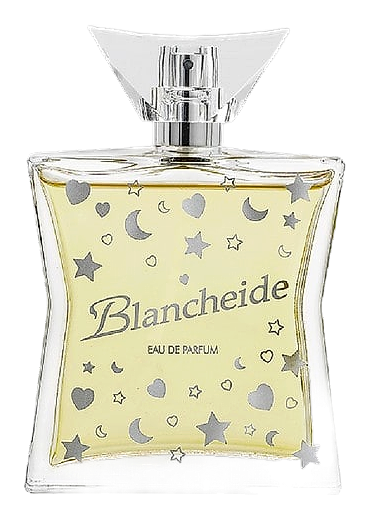
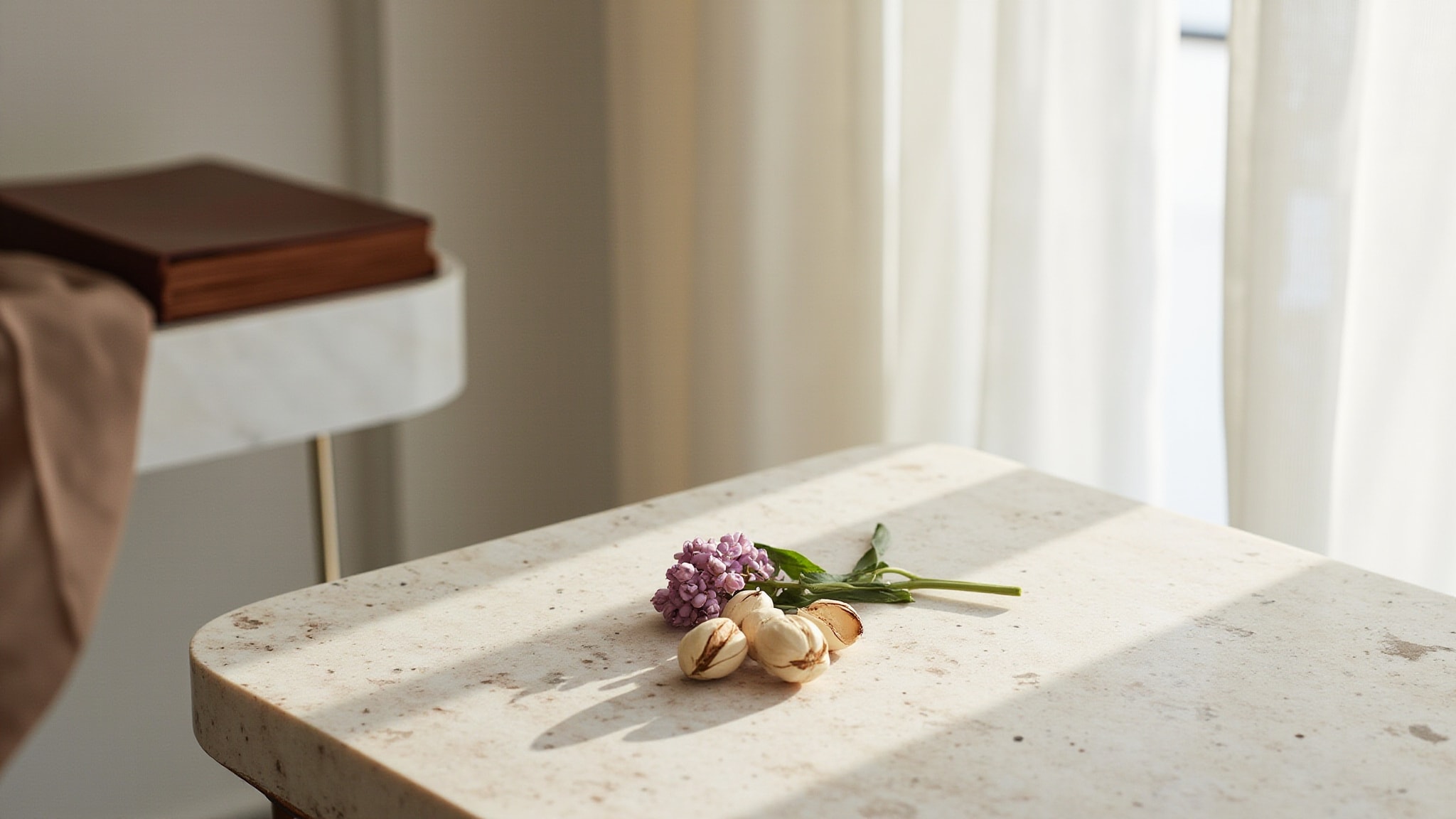
Joa begins with a prelude, a soft invitation toward brightness that the house frames as pure light captured in scent. That intent shaped the brief: a floriental that flatters without shouting, built around the unusual tension of bitter almond and lilac. The almond arrives with a cool, faintly medicinal bite, almost edible and almost green, while the lilac drifts in behind it with a powdery, slightly floral hush that keeps the composition from tipping into pure sweetness. A composition that invites the wearer to lean in rather than step back, asking for attention without demanding it.
What makes Joa worth attention is the pairing at its core. Bitter almond, the marzipan-cool note that smells of stone fruit pits and something almost pharmaceutical, sits beside Florentine iris, a material famously expensive and famously aloof. Where most powdery florals reach for violet or heliotrope to carry the softness, Blancheide chose lilac: greener, more aqueous, less conventional. That choice keeps the iris from collapsing into full vintage powder-dust. Meanwhile, patchouli in the heart grounds the bouquet before it floats away. The result is a floriental that reads as powdery on first impression but reveals its architecture slowly.
The evolution
The first half hour is almond dominant, sharpened by Mexican mint, almost edible. Then the iris and lilac take over, and the fragrance shifts register. Less confection, more lipstick compact. Damask rose adds a dusky warmth around the two-hour mark, and patchouli tightens everything, pulling the airy florals down to earth. Past hour four, the base takes command. Madagascar vanilla arrives soft, not sugary, more like the inside of a wooden jewelry box. Labdanum adds a quiet ambered resin. Sandalwood and white musk dry down to skin warmth. What remains at hour six is a thin veil: musk, faint vanilla, that almond still ghosting underneath. On clothing the next morning, you catch the powder and the vanilla more than anything else.
Cultural impact
Joa sits in a category of florientals that prize subtlety over presence, and the bitter almond note at its heart gives it a distinctive signature that's hard to confuse with anything else on the shelf. The scent rewards a second sniff rather than commanding the first, inviting closer attention through its quiet complexity rather than projecting outward into a room. That unusual pairing of bitter almond with lilac creates a tension that defines the entire composition, a push and pull between the cool, almost edible sharpness of the almond and the soft, powdery hush of the lilac that settles behind it.