The Story
Why it exists.
The beginning
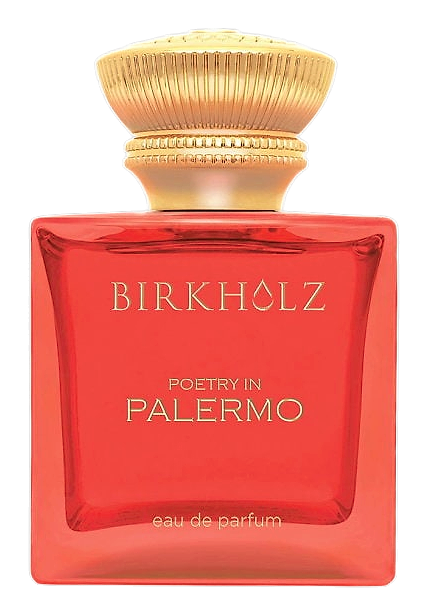
Poetry in Palermo comes from Birkholz's Italian Collection. The fragrance takes its cue from a particular register of heat, the kind where bright surfaces give way to shadow and the air turns mineral. The composition is built on a simple tension: lifted aromatics on top, resinous weight underneath. Bergamot and thyme carry the sunlit opening, while cistus and patchouli root the drydown in something older and drier. Cardamom threads the middle, bridging citrus and resin without smoothing either one out. It's not a postcard fragrance. It reads more like architecture, or maybe memory, translated into something wearable. The arrangement matters more than any single note, and the restraint is part of the point. Nothing announces itself.
What makes the composition work is the tension between cistus and violet at the heart. Cistus brings a resinous, slightly sticky warmth, and pairing it with violet's powdery cool creates a friction that keeps the fragrance from collapsing into straight spice or straight sweetness. Geranium adds a green edge that sharpens the violet rather than softening it, almost a cut of stem in the middle of the accord. The base relies on patchouli's earthy dryness and sandalwood's creamy cushion, with musk pulling everything tight against skin. Nothing here is particularly unusual on its own.
The evolution
The opening is sharp. Bergamot brightness up front, then thyme's herbal bite, with cardamom warming underneath like the first sip of something strong. It smells almost too clean at first, all green and citrus and cooling spice. The violet starts pushing through fairly early. Powdery, slightly cool, against the cistus's sticky resin. Geranium threads a green line through the heart that keeps it from going too soft or too sweet. After a while, the composition settles into its core. Spice warms into earth, violet dims, and cistus takes up more space. The patchouli and sandalwood arrive quietly in the background and stay. The drydown is where the fragrance becomes itself. Less aromatic, more grounded. Earth and skin and faint sweetness from the musk, with the woods holding everything close to the body. The sillage stays moderate throughout. Nothing aggressive, nothing loud.
Cultural impact
As part of the Italian Collection, Poetry in Palermo sits within a body of work organized around Italian locales. The composition leans toward the spicy-earthy register, the kind of fragrance that trades sweetness for resinous warmth and grounded texture. The violet and cistus pairing gives it a slightly classical leaning, pulling toward traditions where powdery florals meet ambery resins. The base of patchouli, sandalwood, and musk keeps it anchored in contemporary skin-scent territory rather than vintage formality.