
The Story
Why it exists.
The beginning
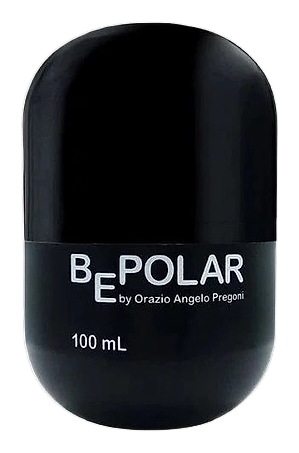
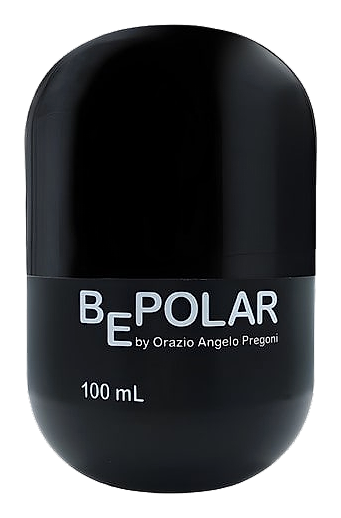
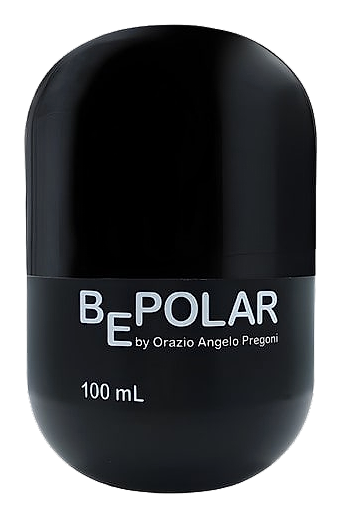
C21 is a fragrance from Bepolar, the niche house whose catalogue carries a quietly experimental edge. The composition was developed with perfumer Angelo Orazio Pregoni, who translated the raw material sketches into a formula that puts aromatic herbs and white florals in conversation with a darker, resinous-spiced undertone. From the opening spray, the aromatic herbs push forward with a clean, almost apothecary brightness, the green notes registering cool and slightly camphorated against the skin. Within minutes, the white florals settle in alongside them, softening the herbs' sharper edges with a creamy, petal-like quality that feels more textural than heady.
What makes C21 unusual is the gap between its top and base notes. Rosemary and frankincense on top read almost monastic, sharp and clean, while the drydown lands on coffee, oud, and dill, which is an unexpected pairing. Tonka and milk anchor the middle, softening the transition. The dill is the detail that separates this from typical aromatic florals. It adds a green, slightly bitter thread that keeps the milk accord from turning cloying. Combined with the coffee, it gives the base an almost kitchen-counter warmth, like espresso grounds and fresh herbs instead of a sterile perfumery accord.
The evolution
The first ten minutes belong to rosemary and frankincense, sharp and resinous, with jasmine threading underneath like a secret. The rosemary is the loudest voice, almost like crushed herb between fingers, and it keeps speaking for longer than you'd expect. Around the thirty-minute mark, the tonka bean and milk arrive. The transition isn't gradual. It's a pivot. The sharpness softens into something creamy and warm, and the white florals step forward. The milk accord reads more like steamed milk than anything lactonic, warm and rounded. By hour two, the base settles in. Coffee grounds, oud, and dill. The coffee isn't roasted-cup-of-espresso. It's darker, almost burnt, and the dill keeps it from getting too heavy. The oud here is restrained, more wood than barnyard. The whole composition stays close to skin from this point forward, moderate sillage, intimate but present. At hour six to eight, what's left is the tonka-coffee-shadow on a wool sweater. The rosemary is gone, the jasmine is a whisper, and the drydown is warm and herbal.
Cultural impact
C21 is a fragrance that tends to land well with wearers who gravitate toward aromatic-floral constructions that aren't afraid of darker, resinous territory in the base. The coffee-dill pairing in the note list is an unusual combination, and it's one of the first things curious noses notice when reading the composition; on skin, that pairing reads less like a literal coffee note and more like a roasted, slightly bitter undertone that gives the green herbal top a grounded, almost savory counterweight.
The House
BepolarBepolar entered the niche perfume scene in 2019 with a concise catalogue of five fragrances. Each scent carries a modern, minimalist label that reflects the brand’s focus on clear composition rather than ornate storytelling. The launch attracted attention from independent fragrance blogs, which noted the brand’s willingness to experiment with unconventional accords while keeping the olfactory language approachable. Bepolar positions itself as a laboratory for a single designer’s vision, offering collectors a compact yet distinctive set of options that can be layered or worn alone.
The Creator
Angelo Orazio PregoniHis signature technique blends rigorous material research with improvisational mixing. He favors natural absolutes—oud, labdanum, ambergris—and pairs them with unexpected synthetics that sharpen contrast.