

    Brand Profile

    Bepolar entered the niche perfume scene in 2019 with a concise catalogue of five fragrances. Each scent carries a modern, minimalist label t…More

    United Kingdom·Est. 2018·Site

    4.0

    Rating

    5
    H21 by Bepolar
    Best Seller
    4.0

    H21

    C21 by Bepolar
    Best Seller
    4.2

    C21

    Rodoass by Bepolar
    Best Seller
    3.9

    Rodoass

    CIN4 by Bepolar
    3.8

    CIN4

    OS by Bepolar
    3.8

    OS

    Haltane by Parfums de Marly
    Coming Soon

    Haltane

    Parfums de Marly

    The Heritage

    The Story of Bepolar

    Bepolar entered the niche perfume scene in 2019 with a concise catalogue of five fragrances. Each scent carries a modern, minimalist label that reflects the brand’s focus on clear composition rather than ornate storytelling. The launch attracted attention from independent fragrance blogs, which noted the brand’s willingness to experiment with unconventional accords while keeping the olfactory language approachable. Bepolar positions itself as a laboratory for a single designer’s vision, offering collectors a compact yet distinctive set of options that can be layered or worn alone.

    Heritage

    The designer behind Bepolar remains largely anonymous, choosing to let the fragrances speak for themselves. According to the brand’s brief public statements, the label was conceived in late 2018 after the creator spent several years sampling raw materials in European markets. The first collection arrived in early 2019, comprising C21, Rodoass, CIN4, OS and H21. Each name references a laboratory code rather than a narrative theme, underscoring the brand’s intent to strip away marketing excess. The launch coincided with a broader surge of indie houses that favored limited runs and direct‑to‑consumer sales. Bepolar’s early distribution relied on a small network of boutique retailers in London and Berlin, followed by a modest online storefront. The brand’s modest scale allowed it to respond quickly to feedback, adjusting formulas in subsequent batches without the delays typical of larger houses. By the end of 2020, Bepolar had secured a modest following among fragrance enthusiasts who appreciate the blend of synthetic clarity and natural nuance. The label continues to release occasional restocks, each announced through its website and social channels. While the founder’s personal background is not widely documented, the brand’s trajectory mirrors that of many contemporary perfumers who prioritize artistic control over commercial expansion.

    Craftsmanship

    Production for Bepolar takes place in a small batch facility in the United Kingdom, according to the brand’s website. The process begins with a selection of raw materials sourced from European suppliers known for consistent quality. Synthetic aromachemicals such as Iso E Super, Calone and Hedione feature prominently, providing a stable backbone that supports the more volatile natural extracts. The freelance nose collaborates with the designer during the blending stage, testing each accord on blotter and skin to gauge projection and longevity. Once a formula reaches the desired balance, it moves to a low‑temperature maceration phase that can last from two weeks to a month, depending on the composition. The final mixture is filtered through stainless steel mesh before being poured into glass bottles that the brand designs in‑house. Quality checks include gas chromatography analysis to verify ingredient ratios and a sensory panel that evaluates consistency across batches. The brand reports that each bottle is sealed with a simple screw cap, reducing the need for decorative closures that could interfere with the scent’s release. By limiting the number of releases, Bepolar can allocate more time to each step, ensuring that the finished product meets the creator’s exacting standards.

    Design Language

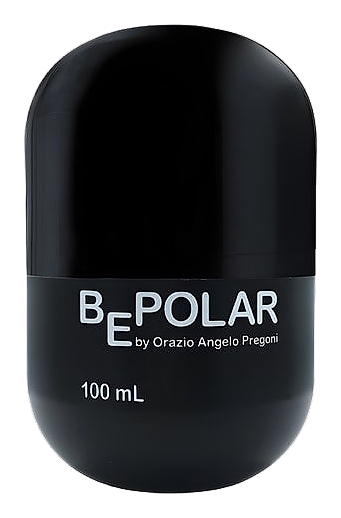
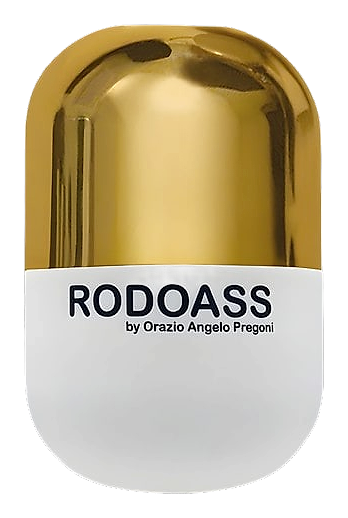
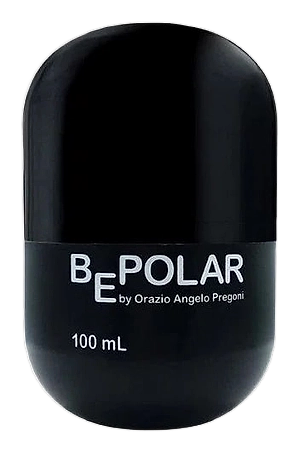
    Visually, Bepolar adopts a stark, laboratory‑inspired identity. The bottles are clear glass with thin, matte black caps, allowing the liquid’s hue to become the primary visual cue. Labels consist of a single line of sans‑serif type, printed in black on white, displaying only the code name and concentration. This minimalist approach mirrors the brand’s olfactory philosophy, presenting the fragrance as an object of study rather than a decorative accessory. The packaging box follows the same aesthetic, using recycled cardboard with a subtle embossing of the brand’s logo—a simple geometric shape that resembles a polar coordinate grid. Marketing images feature the bottles placed on monochrome surfaces, often accompanied by raw ingredient photographs such as a sprig of rosemary or a crystal of synthetic ambergris. The overall image conveys a sense of controlled experimentation, appealing to collectors who appreciate design that emphasizes function over flourish. Social media feeds reinforce this look, sharing close‑up shots of the bottles, ingredient sketches, and occasional behind‑the‑scenes videos of the blending process.

    Philosophy

    Bepolar’s creative outlook centers on the idea that a scent should be a direct expression of an ingredient rather than a story built around it. The designer reportedly works with a freelance nose who helped translate raw material sketches into the five 2019 releases. In interviews, the creator has emphasized restraint, stating that each formula aims to reveal its core accord within the first ten minutes of wear. The brand avoids elaborate marketing language, opting instead for concise product notes that list key ingredients and concentration levels. Sustainability appears in the brand’s statements, with a preference for responsibly sourced synthetics that reduce reliance on scarce natural extracts. Bepolar also encourages consumers to experiment with layering, suggesting that the minimalist profiles serve as building blocks for personal scent architecture. This philosophy aligns with a growing segment of perfume lovers who view fragrance as a personal laboratory rather than a fixed identity marker. By keeping the line small, Bepolar can maintain tight quality control while inviting a dialogue between creator and wearer.

    Key Milestones

    2018

    Designer begins conceptual work on a new fragrance line, sourcing materials across Europe.

    2019

    Bepolar launches its first five fragrances: C21, Rodoass, CIN4, OS and H21.

    2020

    Brand expands distribution to boutique retailers in London and Berlin.

    2021

    First restock of the original five scents, announced via the brand’s website and Instagram.

    2022

    Bepolar introduces a limited‑edition refill program to reduce packaging waste.

    At a Glance

    Brand profile snapshot

    Origin

    United Kingdom

    Founded

    2018

    Heritage

    8

    Years active

    Collection

    1

    Fragrances released

    Avg Rating

    4.0

    Community sentiment

    bepolar.com

    Did You Know?

    Interesting Facts

    Distinctive details and defining moments that shape the house personality.

    01

    The five 2019 fragrances are named after laboratory codes rather than traditional perfume titles.

    02

    Bepolar uses a single freelance nose for all its blends, a rarity among indie houses that often work with multiple perfumers.

    03

    Each bottle is sealed with a screw cap to avoid metal that could alter the scent’s release pattern.

    04

    The brand’s minimalist label design was inspired by scientific equipment manuals.

    The Artisans

    The Perfumers