The Story
Why it exists.
The beginning
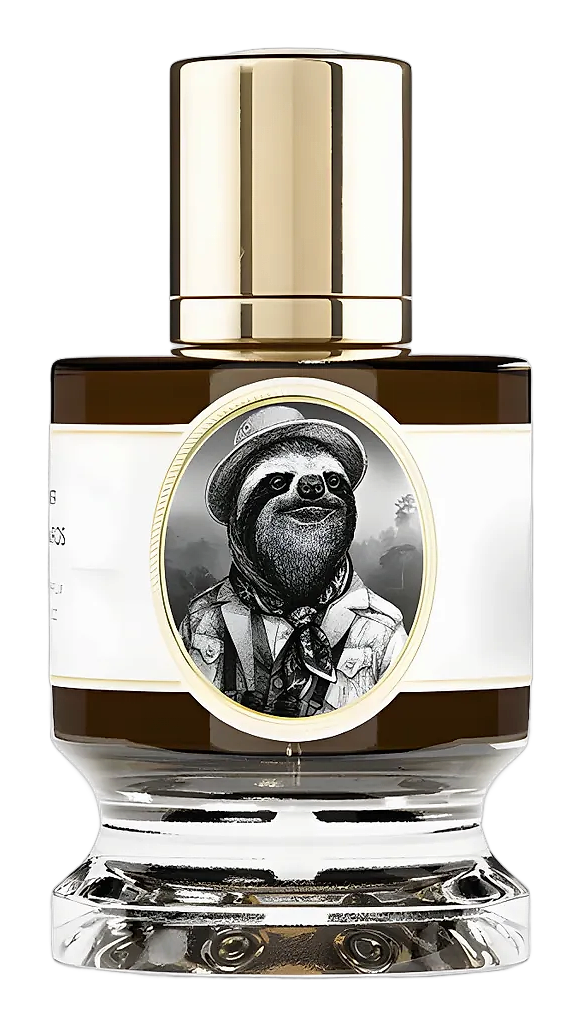
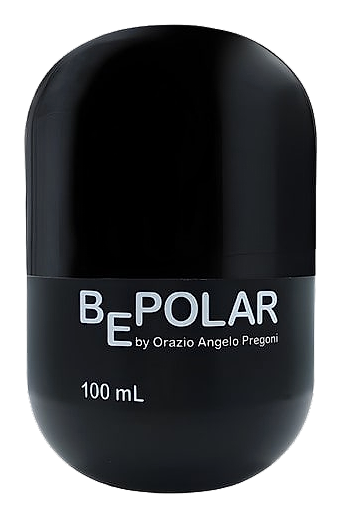
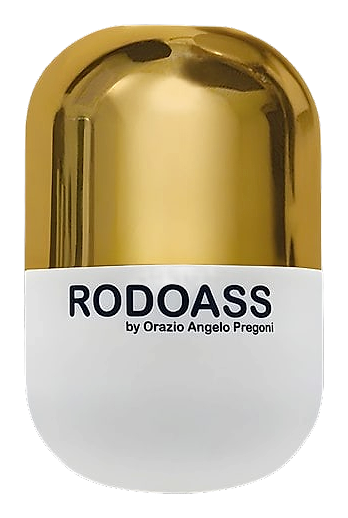
OS is composed by Angelo Orazio Pregoni. Its formula reads like a field study in dark materials: oakmoss and patchouli at the top, castoreum adding an animal register, then geranium and cardamom for aromatic lift, and benzoin for resinous warmth. The base is built around tobacco, walnut and oud, giving the composition a dry woody foundation with a deep, dark edge. The result is neither airy nor decorative. It is direct, tactile and deliberately compact, inviting attention to the way each material changes the character of the next. Oakmoss supplies a cool vegetal texture, while patchouli adds weight beneath it. Castoreum introduces an unmistakable mineral-animal accord, and geranium brings a contrasting green note that keeps the darker materials from collapsing into a single dimension.
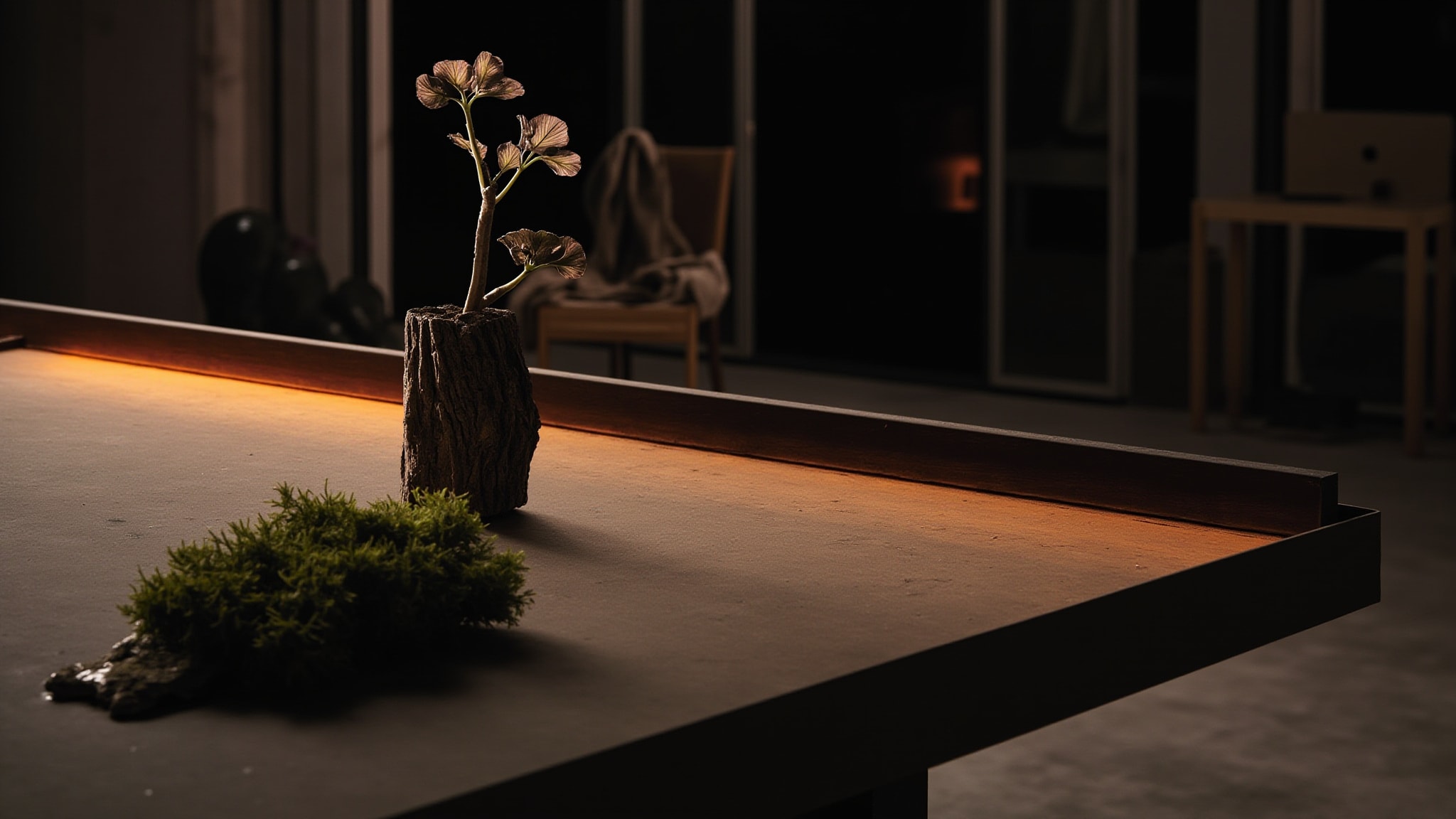
What makes OS worth studying is the collision between mineral and organic. Oakmoss brings a cold, forest-floor dampness. Castoreum adds a dry, animalic presence that gives the composition weight and edge. Patchouli contributes an earthy depth, sitting close to the dark vegetal character established by the moss. Then geranium cuts in with a green brightness that keeps the whole thing from sinking into monochrome. Cardamom adds a sparkling aromatic accent, lifting the darker notes without changing their gravity. Benzoin binds the composition together with a resinous quality.
The evolution
The opening arrives sharp and almost clinical. Oakmoss and patchouli establish the ground, cool and textured, while castoreum introduces something unmistakably alive beneath it. The composition reads as mineral, with the damp character of wet bark and cold stone. Geranium and cardamom add aromatic definition, lifting the moss into a greener, more nuanced register. Benzoin introduces sweetness as the arrangement settles, softening the edges without making the composition feel rounded or bright. The drydown is where the darker materials take over. Tobacco arrives with a dry character, walnut adds a woody dimension, and oud deepens the final impression with dense, smoky shadow. As the fragrance wears, the opening sharpness gives way to a more integrated texture: the moss remains present, but it sits closer to tobacco, walnut and oud.
Cultural impact
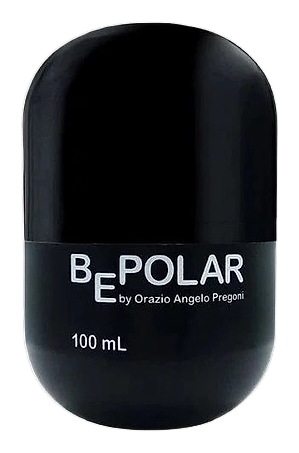
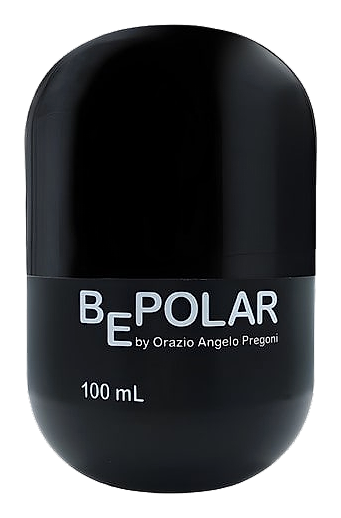
OS occupies a clear place within Bepolar's catalogue: a fragrance built around an exacting arrangement of materials rather than a conventional story. The composition pairs the cool damp character of oakmoss with the earthy weight of patchouli and the dry animalic edge of castoreum. Geranium and cardamom introduce a brighter aromatic register, while benzoin adds resinous depth. Tobacco, walnut and oud form a dark, woody base that gives the fragrance its final structure. What emerges is a compact but layered study in contrasts, where dense materials are balanced by green notes and cool textures sit beside warm woods.
The House
BepolarBepolar entered the niche perfume scene in 2019 with a concise catalogue of five fragrances. Each scent carries a modern, minimalist label that reflects the brand’s focus on clear composition rather than ornate storytelling. The launch attracted attention from independent fragrance blogs, which noted the brand’s willingness to experiment with unconventional accords while keeping the olfactory language approachable. Bepolar positions itself as a laboratory for a single designer’s vision, offering collectors a compact yet distinctive set of options that can be layered or worn alone.
The Creator
Angelo Orazio PregoniHis signature technique blends rigorous material research with improvisational mixing. He favors natural absolutes—oud, labdanum, ambergris—and pairs them with unexpected synthetics that sharpen contrast.