The Story
Why it exists.
The beginning
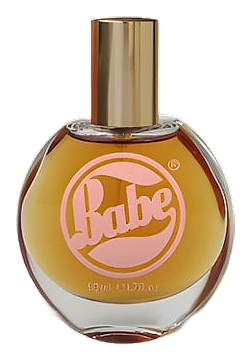
Babe (2015) came from Givaudan for Beauty Brand Development, a revival of the original Faberge fragrance that launched in 1977. The new edition didn't just resurrect a name, it reimagined the structure, centering the aldehydes as the compositional spine rather than a fleeting accent. Lavender and hyacinth support the opening, while rose, ylang-ylang, and violet build into a powdery heart that speaks to a different era of feminine fragrance. Sandalwood and moss form the base, with ambrette seed lending a warm, skin-like quality to the drydown that feels neither synthetic nor aggressive.
The aldehydes don't announce themselves here the way they do in louder compositions. They soften, they shimmer, they make the lavender feel cool and the hyacinth feel green and watery underneath. The heart is where vintage lives, rose and ylang-ylang and violet creating that powdery, almost-pastel floral character that some people find nostalgic and others find timeless. The sandalwood and moss in the base keep things grounded. The ambrette seed adds a clean musk quality that makes the drydown feel like skin, not like perfume. It's aldehydic beauty without the performance anxiety of the classics.
The evolution
The aldehydes hit first, bright, sparkling, immediate. Then the lavender arrives, cool and herbal, softening the edges of that initial pop. Hyacinth adds its green, watery depth underneath. As the top settles, the heart emerges: rose, ylang-ylang, and violet create a powdery floral warmth that feels vintage without being dusty. Sandalwood and moss anchor the base, with ambrette lending a clean, skin-like musk that lingers close. Four to six hours on most skin types. Intimate sillage throughout, not a room filler, but something that stays with you.
Cultural impact
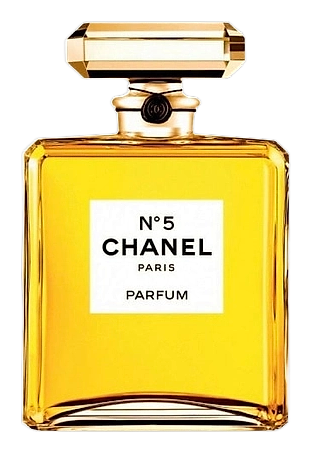
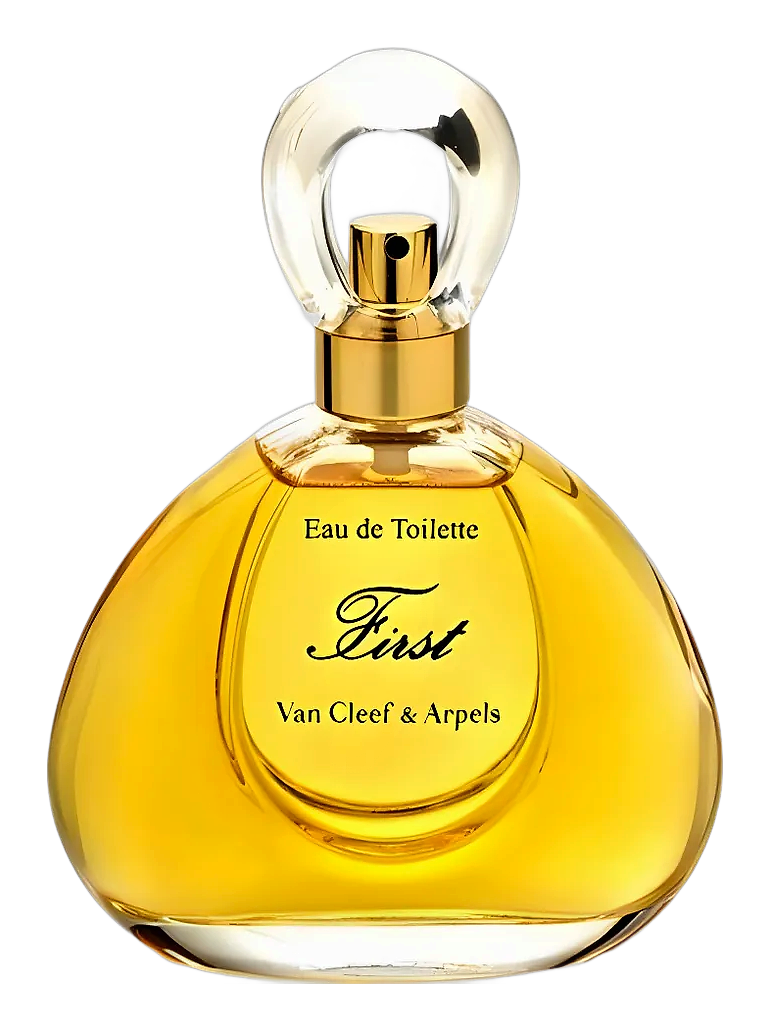
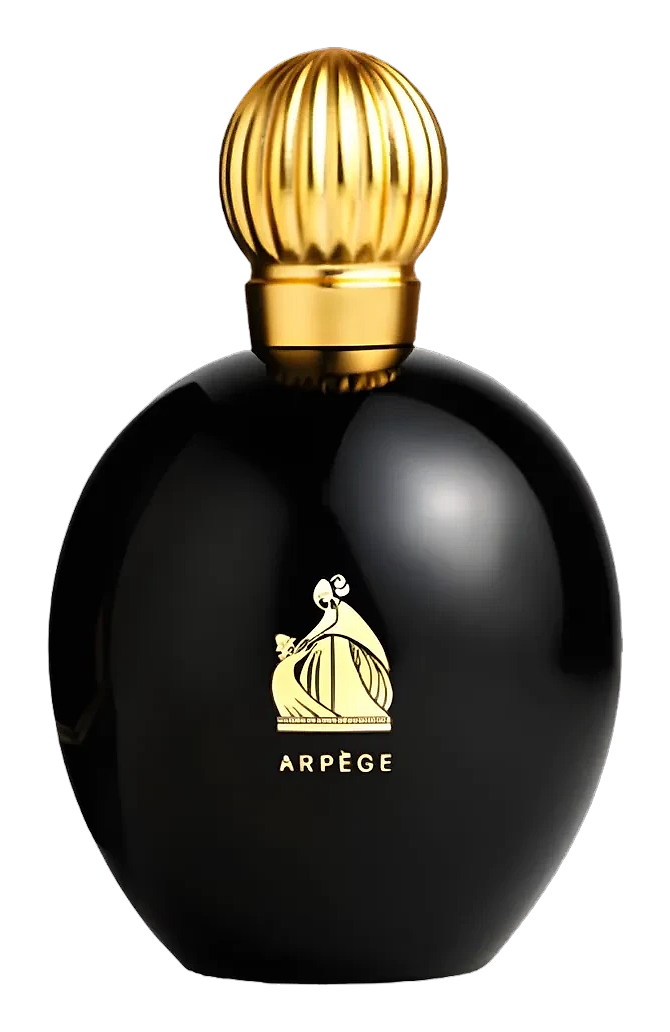
Babe (2015) arrived as a revival of the aldehydic-floral tradition, bringing a 1977 composition into a contemporary context. The aldehydic-floral family has deep roots, think Chanel No. 5, Arpege, First, and Babe occupies a particular corner of that lineage. It's aldehydic without the bravado, powdery without the weight. Community reception has been mixed: some find the aldehydes captivating, others prefer something more contemporary. The vintage character of the powdery drydown and moss notes creates strong opinions in both directions. Clean, powdery, warm, it sits close to the skin rather than announcing itself, which suits those who want aldehydic beauty without the performance demands of the classics.