The Story
Why it exists.
The beginning
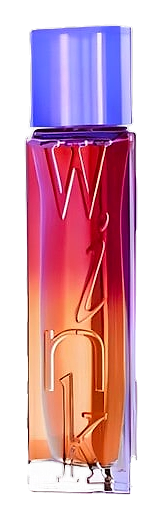
Wink arrived in 2004 as Avon's idea of effortless charm, a fruity-floral that didn't demand attention, just invited it. The name itself suggested something playful and conspiratorial, a gesture between friends rather than a declaration to a crowd. Avon built this fragrance for the woman who finds confidence in ease, not spectacle. No reinventing the wheel here. Just a very good version of it.
The structure is deceptively simple: bright berries, soft florals, a woody close. But the way the cranberry and grapefruit play against the freesia and lotus gives Wink a tartness that keeps it from sliding into generic sweetness. The water lily note is the quiet connector, it bridges the juiciness of the opening and the softness of the heart without either side winning. That's the skill in it.
The evolution
The opening hits bright and tart, cranberry and grapefruit dancing with raspberry, a quick flash of citrus that doesn't linger. Within 20 minutes, the freesia and water lily arrive, pulling the composition toward something softer, garden-adjacent. The rose and jasmine hold the middle without overpowering, keeping the florals pretty but not precious. By hour two, the woody base settles in, and the whole thing becomes intimate, close to the skin. Lasts a full workday on most. The drydown is quiet, not a whisper, but not a shout either.
Cultural impact
Wink occupies a particular corner of fragrance culture, the scent that shows up in conversations about first perfumes, college favorites, and fragrances a neighbor recommended over the fence. It's not trying to compete with niche houses or luxury labels. It's doing what Avon has always done: offering something warm, approachable, and genuinely good at what it is. The people who love it tend to have worn it for years, not because it's groundbreaking, but because it fits.