The Story
Why it exists.
The beginning
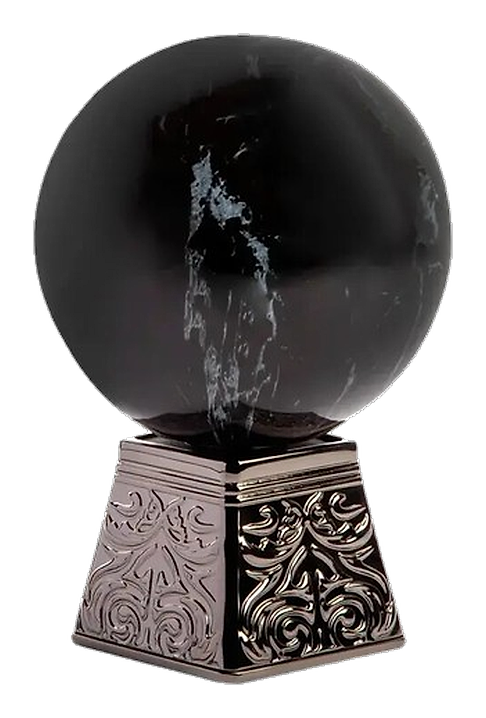
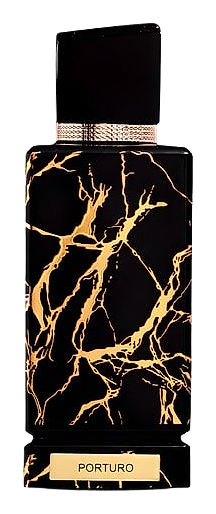
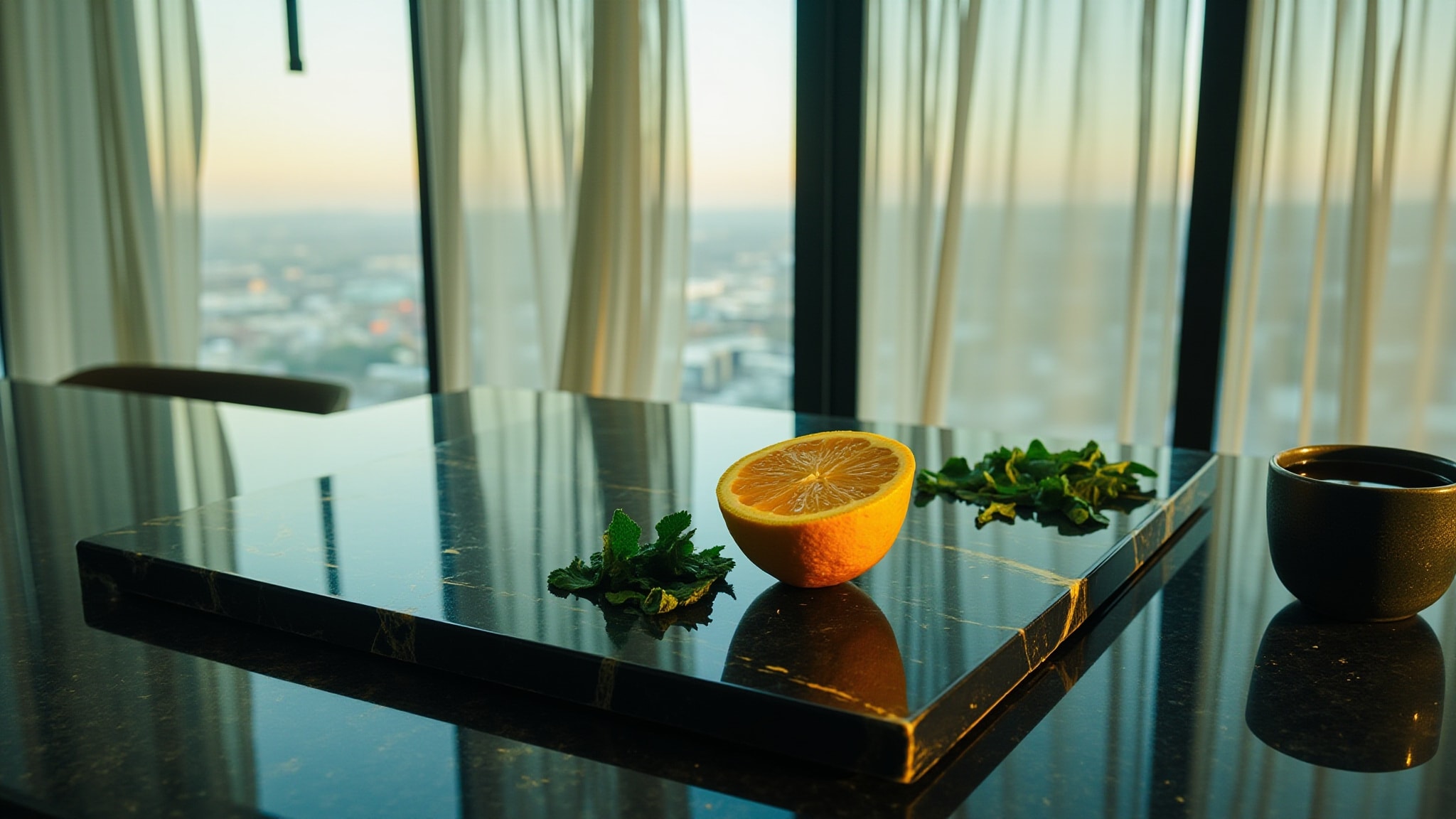
Porturo takes its name from a marble, and the choice isn't decorative. The bottle itself is built to echo the stone, with swirling veins of deep blacks and golds catching the light like something quarried, not poured. It's part of Aurora Scents' Marble Collection, a series that treats the vessel as half the composition. The fragrance beneath all that visual weight is meant to smell like a coastline: salt-spray and citrus groves, the particular brightness that happens when strong sun hits stone and water at the same angle. The accord list reads like an inventory of briny, sunlit things: citron, lime, and mandarin orange for the juice, petitgrain and galbanum for the crushed-leaf bitterness, a juniper berry note that adds a piney snap, and a mint that cools the air around the wrist.
The interesting move here is the black tea in the base. Citrus-aromatic fragrances can evaporate quickly when the anchor notes aren't doing enough structural work, and Porturo sidesteps that by threading a tannic, slightly bitter black tea note through the drydown, which gives the citrus something to land on instead of disappearing. That tannin does the heavy lifting where a wood or a white musk might in other compositions, lending a dry, almost steeped-leaf astringency that keeps the freshness grounded.
The evolution
The first 30 minutes are all about the top, citron and lime slicing through, with the mint underneath adding a cooling sensation that makes the opening feel colder than the actual temperature. The mandarin orange sweetens the edges just enough to keep the citrus from reading as sharp or metallic, and the whole top accord has a wet, almost juiced-fruit ripeness to it. Then the petitgrain and galbanum arrive, and the whole composition takes a sharp left turn into something greener, more herbal, almost coniferous with the juniper berries. That's the heart, and it carries the composition through its middle phase with a cut-grass bitterness and a resinous snap. After that, the base takes over, and the fragrance shifts. The citrus is gone, the green has mellowed, and what remains is a warm, slightly resinous drydown built around black tea, vetiver, ambergris, and elemi.
Cultural impact
Porturo occupies a specific corner of the citrus-aromatic world, one defined by the unusual presence of a black tea note in the base. Wearers tend to reach for it in warm weather, spring through early fall, and its strong community longevity score of 7.2 means it stays present on skin for a full day without requiring reapplication. The fragrance doesn't pivot on sweetness or aquatic notes; instead, it offers a particular kind of clean warmth that comes from the interplay of bitter tea, resinous elemi, and bright citrus.