


Heritage
A house, in its own words
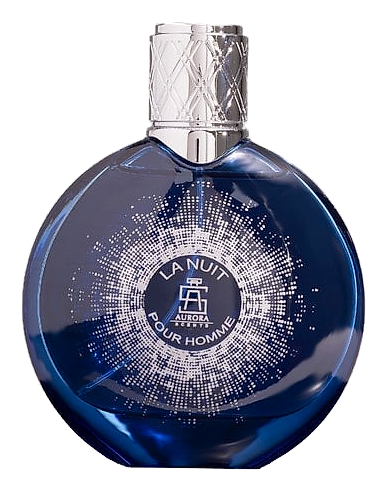
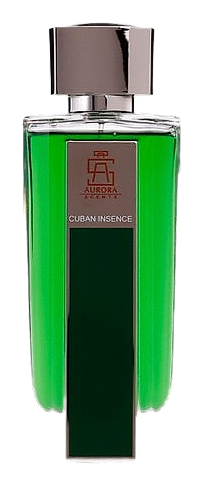
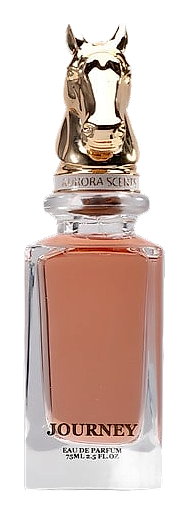
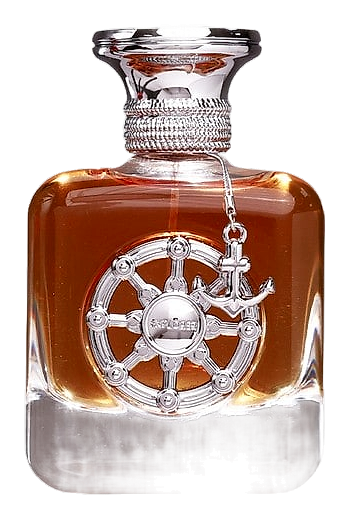
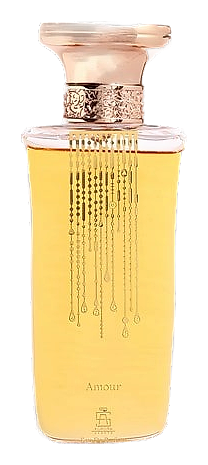
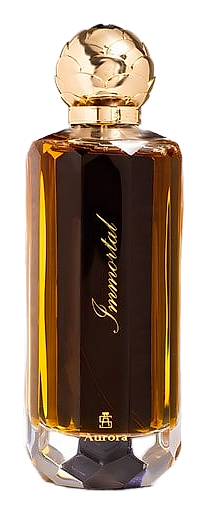
The story of Aurora Scents starts in 1979 when a small team of perfume enthusiasts set up a modest laboratory in London. Their goal was to create fragrances that honored traditional perfume houses while exploring new olfactory territories. In the early 1990s the company moved into a larger facility on the outskirts of the city, allowing it to increase batch sizes and experiment with a broader palette of raw materials. By 2005 Aurora Scents launched its first fragrance outside the UK, entering the Middle Eastern market through a partnership with a Dubai distributor. The brand’s early 2010s collections emphasized woody and aromatic notes, a direction that resonated with a growing base of collectors. In 2020 Aurora introduced Vanilla Espresso, a gourmand scent that marked a shift toward richer, coffee‑infused accords. The following years saw a rapid rollout of new releases: Black Obsidian and Olibanum in 2025, as well as the gender‑neutral Aura Silver the same year. Throughout its history, Aurora Scents has maintained a modest staff of perfumers and technicians, many of whom have spent their entire careers within the company. The brand’s archives, stored in a climate‑controlled vault, contain original formula sheets dating back to its first decade, offering a tangible link between its founding ethos and current creations. Aurora Scents approaches perfumery as a dialogue between heritage and innovation. The house believes that a fragrance should tell a story that is both personal and universal, and it seeks to achieve this by pairing time‑tested techniques with carefully selected modern ingredients. Sustainability features in the brand’s decision‑making; sourcing partners are evaluated for ethical harvesting practices, especially when dealing with rare woods or resins. Transparency is another pillar: each launch is accompanied by a brief note describing the primary accords and the origin of key materials. Rather than chasing fleeting trends, Aurora aims to craft scents that age gracefully on the skin, allowing wearers to develop a relationship with the perfume over months. The creative team works in small, iterative batches, testing each composition on a panel of long‑term collaborators before final approval. This collaborative process reflects the brand’s view that perfumery is as much a social craft as an artistic one.