The Story
Why it exists.
The beginning
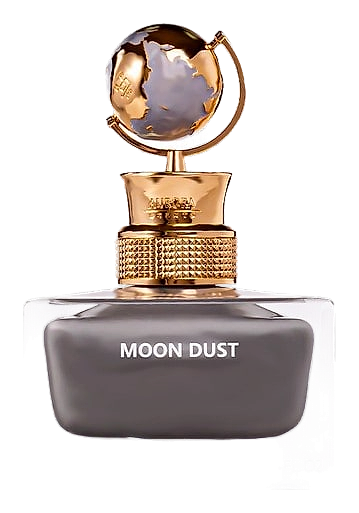
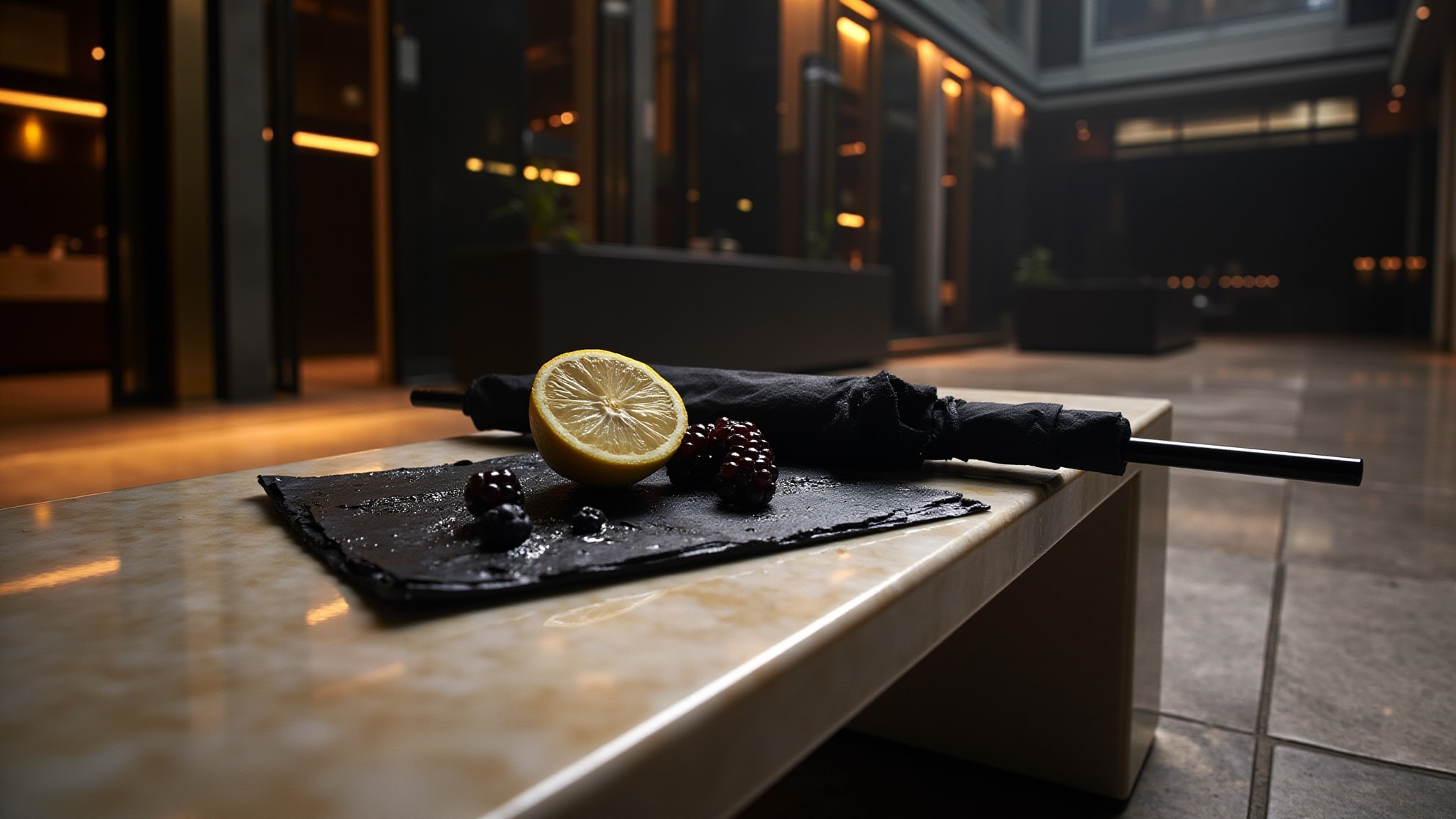
Moon Dust arrived in 2022 from M.H. Gerashi, built around a specific kind of memory: the smell of rain hitting pavement. Not the botanical stuff, not the wet-grass pastoral version. The urban one. Concrete cooling under a cloudburst, the air tasting metallic, the city going quiet for thirty seconds. Aurora Scents handed Gerashi the atmospheric brief, and the result reads less like a fragrance than a weather report for somewhere you're already missing. The Globe Collection, where Moon Dust lives, gathers places that don't sit on any map. This one landed on a sidewalk you've definitely walked. The opening hits with bergamot and blackcurrant, a brisk almost-overcast brightness that smells like the sky right before it opens up.
What separates this from the usual rain accord is what happens underneath. The top half is all cold air and crushed greenery, bergamot and blackcurrant doing the brisk, overcast part. The heart jumps to frankincense and a pepper overload (both pink and black) which gives that static-charge feeling before a storm. Then the base pulls the whole thing underground. Elemi resin, cedar, coffee, and patchouli do the wet-concrete register better than any literal mineral note could, because they simulate the cold mineral smell through warmth.
The evolution
The first ten minutes are sharp and electrical. Lemon and bergamot cut through like a cold front, and blackcurrant adds a dark, almost bruised fruitiness that keeps the citrus from sounding cheerful. Then the temperature drops. Sage and elemi arrive together, green and slightly resinous, and the pepper pair starts buzzing underneath. By the forty-minute mark the incense takes the wheel, and the composition tilts smoky, dense, almost ecclesiastical. That middle phase can feel like a different fragrance. Patchouli and cedar arrive with their boots on around the two-hour mark, rough and earthy, and the coffee note underneath starts to read as more of a cold-drip than a latte. By hour six the white musk and amber have cleaned everything up, leaving a warm, woody haze that stays close to skin for another two to four hours. On fabric the next morning: cedar, faint smoke, and the ghost of coffee. It's not loud. It's persistent.
Cultural impact
Moon Dust wears like a mood, not a moodboard. It commits fully to the urban read: rain on concrete, cold air, diesel-static edges, not the countryside version. The coffee and patchouli base gives it a late-night, post-storm character that settles into the kind of smoky-woody register most fragrances only flirt with. There's a quietly cinematic quality to the way it wears, like the opening shot of a film set in a city at dusk, all muted color and distant traffic. The petrichor reading is there, but it's pushed through a colder filter, which makes it land somewhere between a memory and a forecast.