The Story
Why it exists.
The beginning
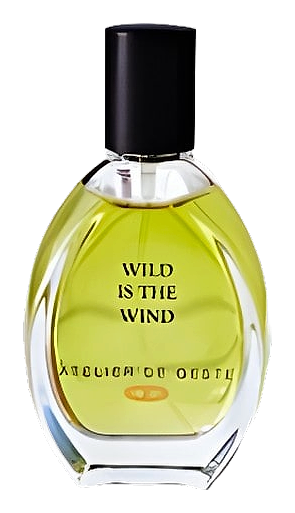
Wild is the Wind carries a title that suggests motion, something carried by air rather than pinned to skin. The composition reads as a sweep of green across the senses, opening with crisp herbal brightness that never settles into a tidy bouquet. At its heart, the florals shift and resist definition, pulling in different directions like leaves in a gust. The base grounds this turbulence with leather and pine held in tension against white musk, creating a dry, mineral coolness that lingers close to the body. It is not a fragrance designed to announce itself or declare status. It behaves more like a gesture: a breath of something untethered, passing through rather than settling on the surface.
What gives the composition its edge is the collision between its green-floral surface and the leathery, almost animalic underside beneath. Vervain and geranium at the top suggest a fresh breeze moving through a garden after rain, a vegetal brightness that feels alive. But pine in the heart and leather threading through the middle drag the scent somewhere wilder, pulling it back toward something raw and elemental. The pomegranate blossom adds a fleeting tartness, a tart flicker that prevents the florals from collapsing into sweetness.
The evolution
The first fifteen minutes are almost bracing: vervain cuts through with a sharp herbal clarity, geranium adds a green-tinted sharpness to the opening, and rose keeps things from veering purely herbal or green. There is a cold clarity here, the kind of wind that makes you pull a collar tighter, a sensation of exposure to something brisk and alive. As the top notes recede, the heart arrives in earnest. Jasmine and pine move together in an unlikely pairing, one sweet and indolic with its creamy narcotic warmth, the other resinous and dry with the scent of crushed needles. Leather emerges not as the soft glove kind but as something rougher, almost mineral in its dryness, a textured note that suggests bark or cured hide. The pomegranate blossom flickers briefly within this tension, a tart interruption that keeps the florals from becoming too pretty or predictable.
Cultural impact
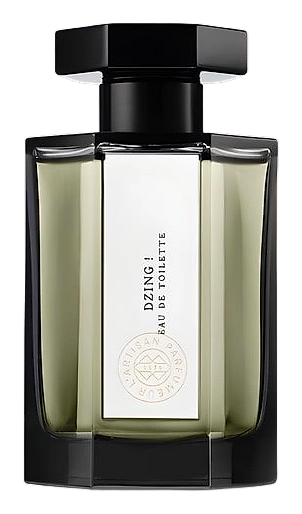
Wild is the Wind reads as a fragrance for those drawn to scent as artistic statement rather than as simple accessory. The composition shares aesthetic kinship with fragrances like Bvlgari Black and L'Artisan Parfumeur's Dzing!, compositions that share a willingness to combine florals with raw, animalic accords. Wild is the Wind arrives from a more botanical starting point, grounding its rougher textures in green and herbal elements before pulling toward leather and smoke.