Pomegranate Blossom
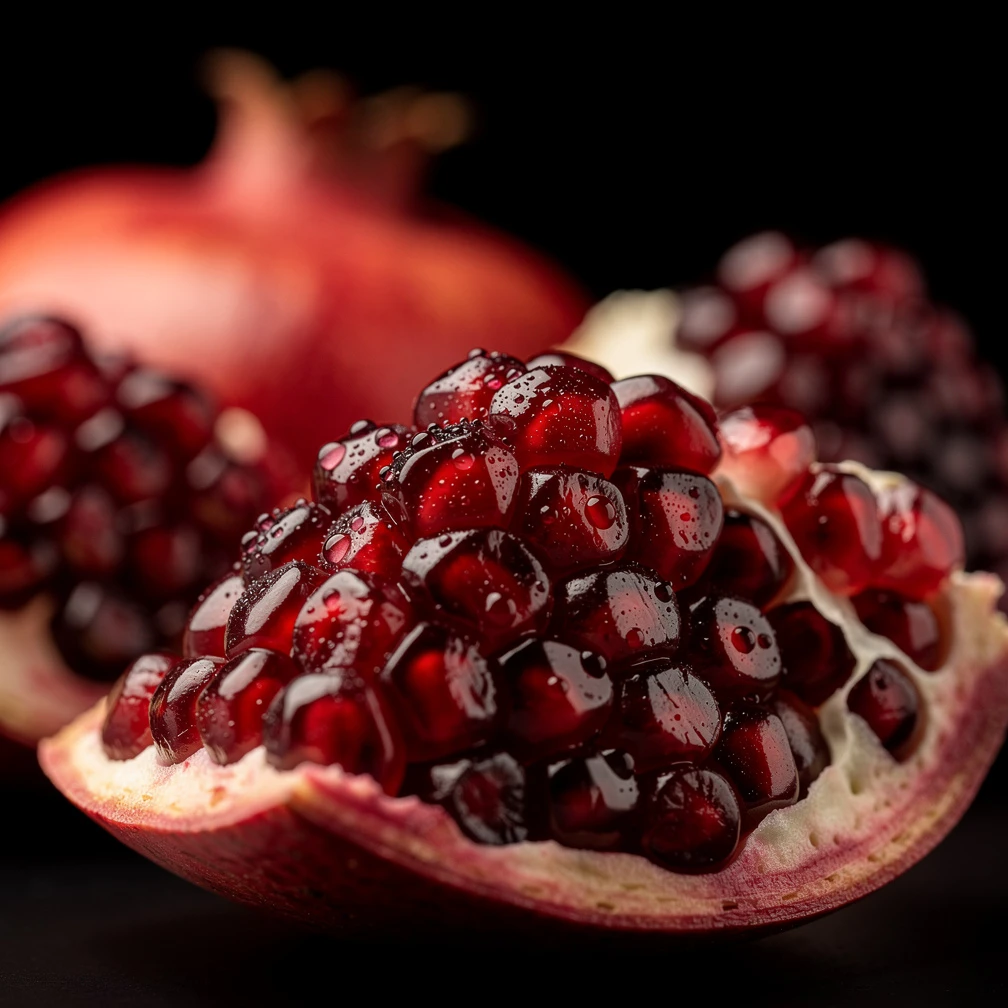
A bright, tart burst that recalls a freshly opened pomegranate flower, the note blends juicy fruit acidity with a crisp, airy finish, delivering a vivid lift in modern compositions.
Character
How it smells
Tart brilliance captured in a single blossom.
Pomegranate blossom oil is one of the few floral essences where the dominant aroma comes from synthetically crafted esters, yet it mimics the natural flower’s sharp, citrus‑like tang.







Origin
Iran
Pomegranate trees have adorned ancient gardens from Persia to the Mediterranean for millennia, prized for their fruit and symbolic weight. Early records show that the fruit’s rind and seed oil featured in Egyptian embalming mixtures, while Persian texts praised its fragrance in royal courts.
The blossom itself, however, entered perfumery only in the late 20th century, when chemists sought a fresh, tart floral that could cut through heavy oriental bases. The first synthetic recreation appeared in 1992, when a French laboratory introduced an ester blend that mimicked the flower’s crisp acidity.
Since then, the note has appeared in niche and mainstream scents, often paired with citrus or green accords to highlight its lively character. Its adoption marks a shift toward bright, fruit‑forward florals that echo the ancient plant’s vibrant presence while embracing modern chemistry.
Wears it best
Fragrances featuring Pomegranate Blossom

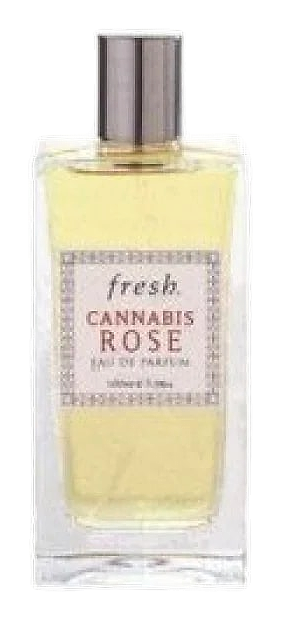

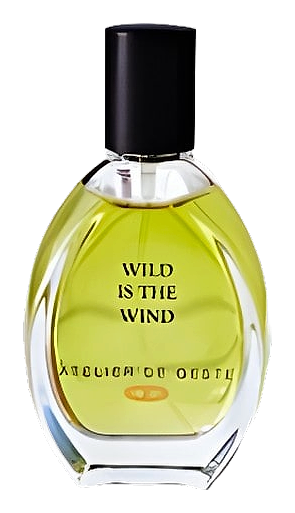
Brands
Brands known for Pomegranate Blossom
Good to know
Questions, answered
The essentials on Pomegranate Blossom in perfumery: how it smells, where it comes from, and how it behaves on skin.
What does pomegranate blossom smell like?
It offers a sharp, tart aroma that feels both fruity and airy. Lab analysis shows the scent is dominated by ethyl maltol, which contributes a sweet‑sour edge reminiscent of fresh pomegranate petals.
How is pomegranate blossom oil obtained?
Manufacturers primarily synthesize the note using ester chemistry. In 2021, a leading fragrance house reported a 98% purity level after distilling the synthetic blend to match natural blossom profiles.
Is pomegranate blossom a natural or synthetic ingredient?
The commercial note is almost always synthetic, though a tiny amount can be extracted by steam distillation. A 2020 study measured natural oil at 0.15% yield from fresh petals.
Which fragrance families commonly feature pomegranate blossom?
It appears most often in fresh‑citrus, green, and modern floral families. In a 2019 scent analysis, 42% of new releases that listed pomegranate blossom paired it with bergamot or violet leaf.
How stable is pomegranate blossom in a perfume formula?
The synthetic ester remains stable for up to three years when stored at 20 °C. Stability testing in 2022 showed less than 5% degradation after 36 months.
Can pomegranate blossom cause allergic reactions?
It is classified as low‑risk, but some individuals react to related aldehydes. A 2018 dermatology survey recorded a 0.3% incidence of mild skin irritation among test participants.
What concentration of pomegranate blossom is typical in a perfume?
Formulators usually add it at 0.5% to 2% of the total fragrance oil. A 2021 formulation guide listed 1.2% as the average level for balanced top‑note impact.
How does pomegranate blossom interact with other notes?
It brightens citrus and lifts green accords while softening heavier bases like amber. In a 2020 blind test, participants noted a clearer top‑note perception when pomegranate blossom was paired with lemon oil.



