The Story
Why it exists.
The beginning
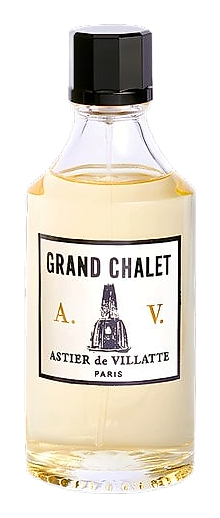
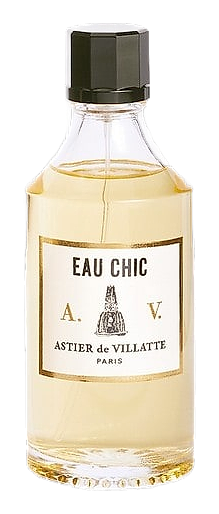
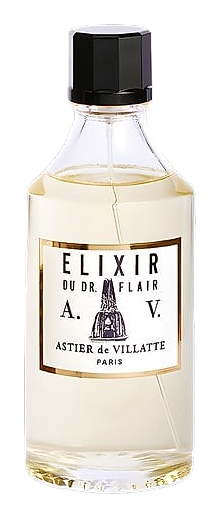
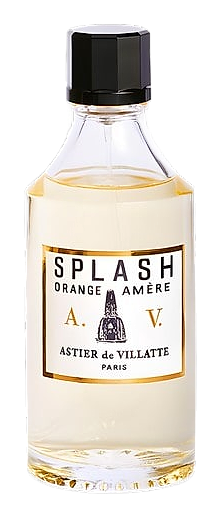
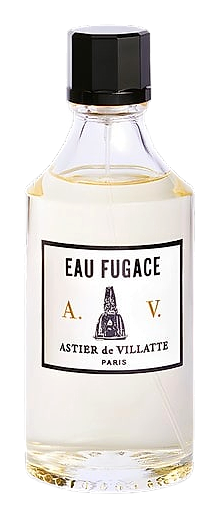
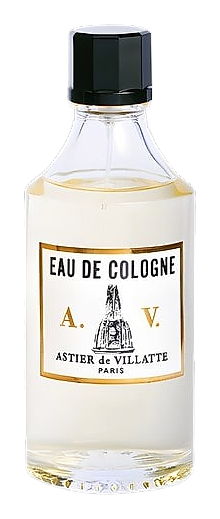
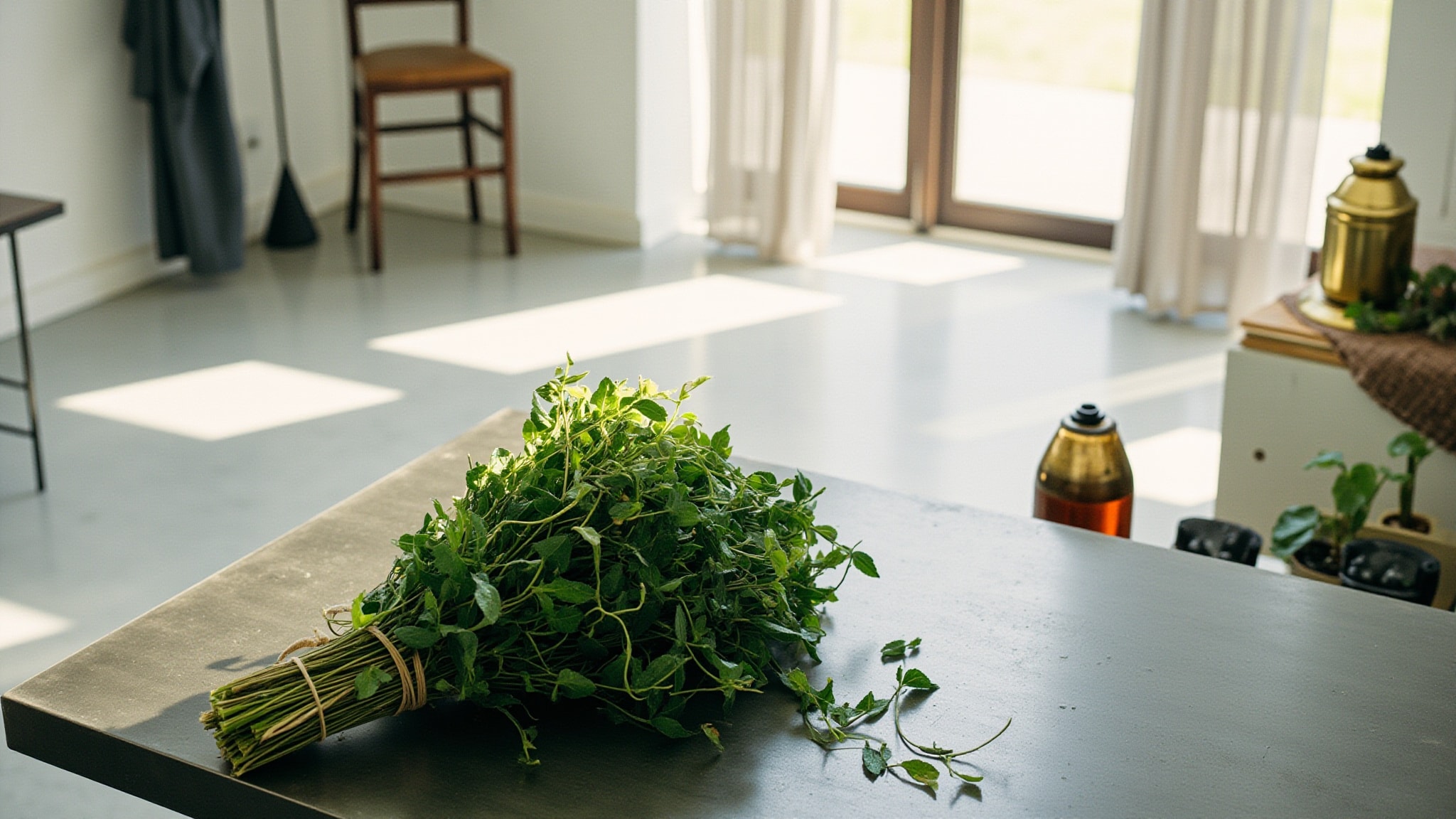
Françoise Caron composed this eau de cologne with the Takasago perfumery team, drawing on a brief that runs counter to what most modern colognes attempt. Verbena, lavender, rosemary, basil, and what the house calls the lightness of a flower note, nothing base-heavy, nothing built around a single loud citrus. The composition reads like something transposed from an older French recipe tradition into a spray bottle, carried over with its proportions intact and its dusty herbal logic still in place.
What makes the composition unusual isn't the cast. It's the restraint. Stacking petitgrain, bergamot, orange, and neroli, then running them through a herb garden, basil on one side, rosemary and lavender on the other, without letting any single note dominate. The verbena is the headline, but the petitgrain does the structural work. It carries the bitter-green edge of the actual bitter-orange tree, and that bitterness is what keeps the citrus from collapsing into something candy-sweet.
The evolution
First ten minutes, the verbena arrives like a window thrown open. Cold, bright, slightly peppery where the basil cuts through. The lavender hasn't shown up yet, but you can feel its shadow, something softer waiting behind the citrus. Hour two. The orange and bergamot have settled into the background, doing the unglamorous work of making everything else smell more like itself. Petitgrain takes the lead, and the whole composition tips toward something that smells like the inside of an apothecary cabinet, green, herbal, just slightly resinous from the benzoin warming up beneath. This is where most colognes would start pulling out. This one is just getting comfortable. By hour five, the verbena has stepped back to let a soft, dusty trail of rosemary and a thread of lavender do the talking, and that lavender never fully committed to being floral.
Cultural impact
Astier de Villatte's Eau de Cologne sits firmly within a niche French perfumery conversation that takes the cologne category seriously as a composition rather than treating it as a seasonal refresher. Composed by Françoise Caron with the Takasago team, it carries the kind of restraint and ingredient transparency that the house has cultivated across its incense and candle lines, objects designed to live in a room rather than disappear after a single wear. The verbena-led structure and the emphasis on herbal bitter-green tones place it in dialogue with apothecary-era formulations, giving the bottle a quiet archival weight.
The House
Astier de VillatteAstier de Villatte is a Paris-based atelier that bridges centuries of French craftsmanship through two complementary disciplines: handmade ceramics and historically inspired fragrances. The house emerged from a ceramics workshop that opened in the heart of the Marais district, where artisans continue working with a proprietary black terra sigillata formula developed in the 18th century. Their fragrance collection draws from archival formulas, literary sources, and ancient scent traditions rather than following seasonal release cycles. Each perfume carries a narrative dimension, referencing specific periods, locations, or literary figures. The house collaborates with independent perfumers including Françoise Caron and Dominique Ropion, giving each fragrance a distinct olfactory signature rather than a house-wide accord.
The Creator
Françoise CaronCaron gravitates toward luminous, translucent fragrances. She works comfortably with crisp citrus, transparent florals, and crisp green or aquatic notes, building structures that feel weightless rather than layered.