The Story
Why it exists.
The beginning
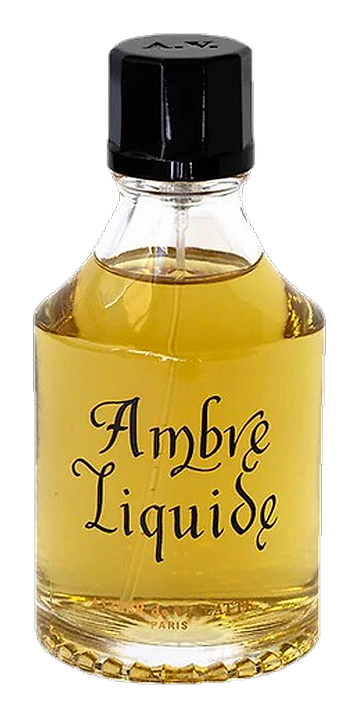
Dominique Ropion returned to Astier de Villatte with a formula that predates the modern perfume industry by centuries. The original recipe dates to 1348, the height of the Black Death in Europe, when pomanders were carried as protection against miasma, against bad air, against the smell of a world in crisis. The house, true to its method of drawing from historical material rather than chasing trends, handed Ropion that manuscript and let him work. The result is Ambre Liquide: not a recreation, but a reinterpretation. A 2024 fragrance built from a 14th-century concept, translated by one of France's most technically precise noses.
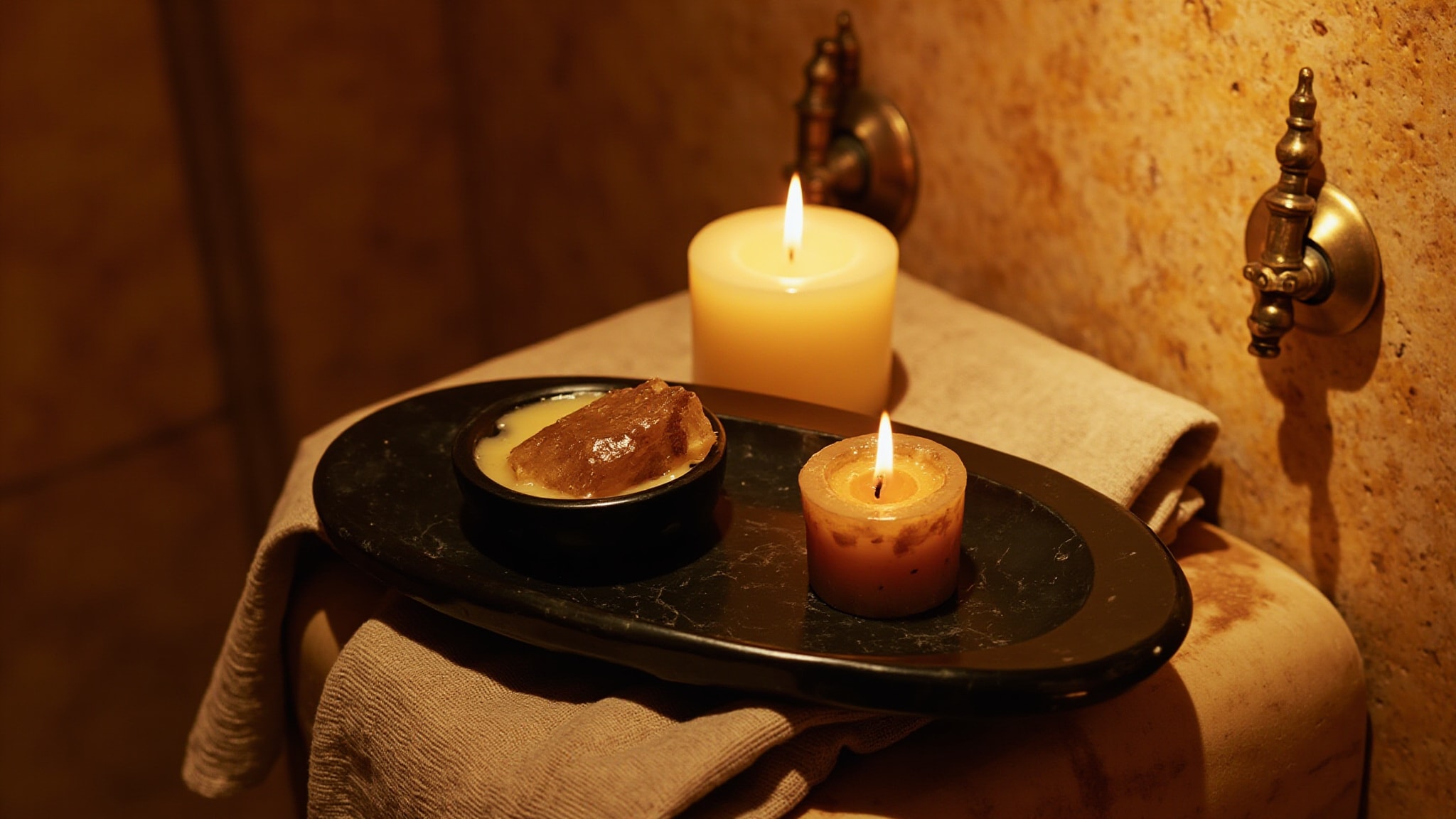
What makes the note structure unusual is the interplay between labdanum, styrax, and myrrh, three resins that don't simply layer, they negotiate. Labdanum brings a balsamic sweetness that feels almost tactile, like warm wax. Styrax contributes a subtle camphor edge that keeps the composition from becoming purely comforting. Myrrh adds the bitter, medicinal depth that connects this back to its medieval origins. Damask rose and vanilla don't soften these so much as humanize them, a floral note that arrives quietly, a sweetness that earns its place rather than announcing itself. The result is a fragrance that feels ancient and present at the same time.
The evolution
The opening announces itself with aromatic herbs and a quick flash of warm spice before the resins arrive. Styrax, myrrh, and frankincense arrive together, bright and warm, with a camphor quality that doesn't overstay. The spices hold for a couple of hours without ever becoming harsh. As the resins begin to settle, the vanilla and amber base emerges, not replacing the spice but holding it, cradling it, the way warm hands hold something precious. The drydown is where Ambre Liquide earns its name. The amber resolves into something liquid, honeyed, and close to the skin. Vanilla lingers for hours after the resins have softened. On fabric, this fragrance will still be present the next morning, a quality that connects it to the historical concept of a pomander, something worn continuously, something that becomes part of the wearer.
Cultural impact
Ambre Liquide draws from a formula originating in 1348, a period when plague doctors and monks relied on aromatic resins as both medicine and spiritual protection. The medieval pomander tradition, where fragrant substances were carried in ornate containers close to the body, served as both a perfume and a prophylactic against contagion. Astier de Villatte's reinterpretation of this centuries-old concept places the fragrance within a lineage of protective scents that predate modern perfumery. The brand's Parisian atelier, known for hand-thrown ceramics and historical references, has positioned this release as a deliberate act of cultural archaeology rather than a typical fragrance launch.