



Heritage
A house, in its own words
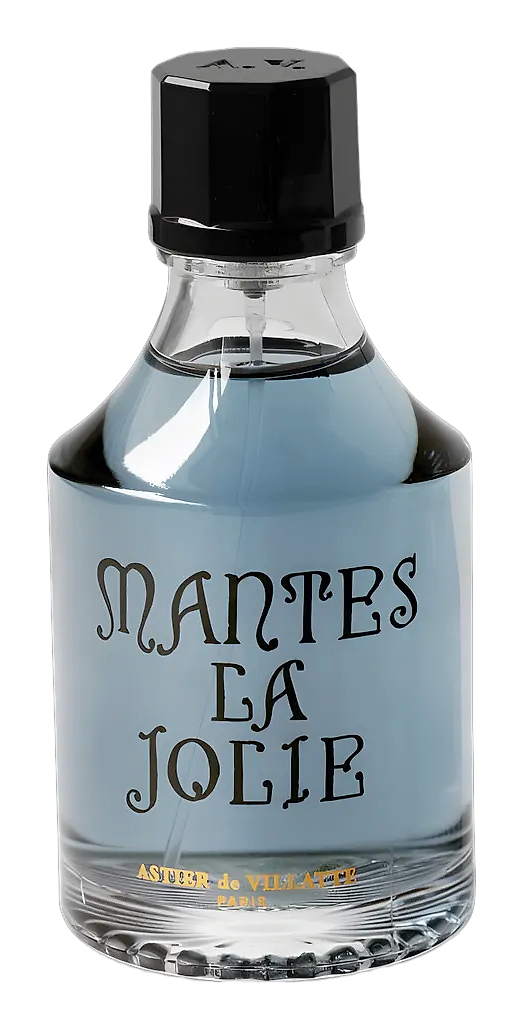
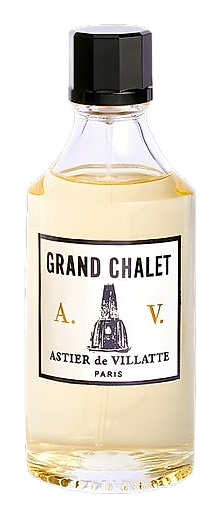
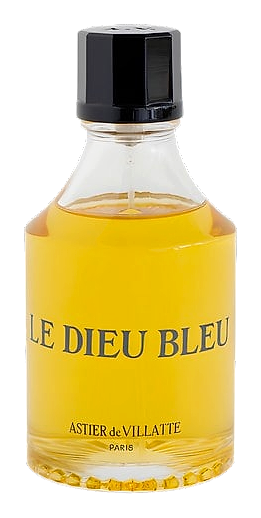
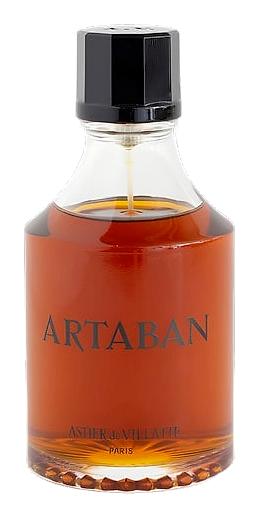
The house traces its roots to Paris in the mid-1990s, when Benoît Astier de Villatte and Ivan Pericoli established their ceramics workshop in the Marais. The workshop distinguished itself by reviving terra sigillata techniques that had largely disappeared from French manufacturing since the 18th century. Rather than pursuing industrial efficiency, the founders prioritized preserving artisanal methods passed down through European ceramic traditions. Their approach attracted attention from collectors and interior designers seeking objects with genuine historical resonance rather than reproduction aesthetics. The fragrance division launched approximately a decade after the ceramics workshop, inspired by the founders' interest in historical perfumery and material culture. Dominique Ropion, a trained pharmacist who transitioned into perfumery, collaborated with the house on recreating historical fragrances, including a reconstruction of the perfume reportedly worn by George Sand. Françoise Caron, who created Grand Chalet in 2016, brought additional gravitas to the fragrance program with her experience spanning several decades of French perfumery. The house has remained privately held, with both founders maintaining active roles in production and creative direction. Their ceramics continue to be produced in limited batches at the Paris workshop, while fragrances are produced in collaboration with established French manufacturers. Astier de Villatte approaches perfumery as a form of historical archaeology. Rather than chasing trends or seasonal collections, the house develops fragrances when research into historical materials, literary sources, or cultural artifacts yields compelling concepts. This methodology produces an irregular release schedule where years may pass between new introductions. The founders have cited a preference for fragrances with narrative specificity over abstract olfactory experiences. When developing scents, they reportedly draw from documented historical recipes, literary descriptions of perfumes worn by notable figures, or regional scent traditions associated with particular locations. The collaboration model reflects this philosophy: rather than employing house perfumers, they commission independent noses whose personal approaches align with specific project requirements. Dominique Ropion's background as a pharmacist informed his methodical approach to reconstruction work, making him suited for historical recreation projects. Françoise Caron's long career provided the versatility needed for Grand Chalet's architectural construction. This selective, project-driven approach means each fragrance represents a considered decision rather than a commercial calendar obligation.