The Story
Why it exists.
The beginning
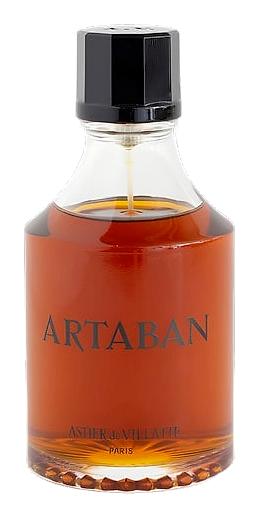
Artaban is named for an ancient Roman "royal perfume", the kind wealthy elites splashed on themselves at every opportunity, following a fashion that defined the empire's final centuries. Dominique Ropion reinterpreted this historical artifact in 2022, translating two millennia of olfactory tradition into something wearable today. The brief was simple: bring back the real thing, not a simulation of it.
Twenty-four herbs. That's what made the original so coveted, rare imports from distant provinces, combined in proportions that wealth alone couldn't unlock. Ropion worked within that same spirit of extravagance, building around marjoram's dual nature (bitter and sweet at once), cardamom's spicy fruitiness, and the earthy resinous depth of nard. The result is a composition that doesn't smell quite like anything in contemporary perfumery. It smells like it belongs to a different era.
The evolution
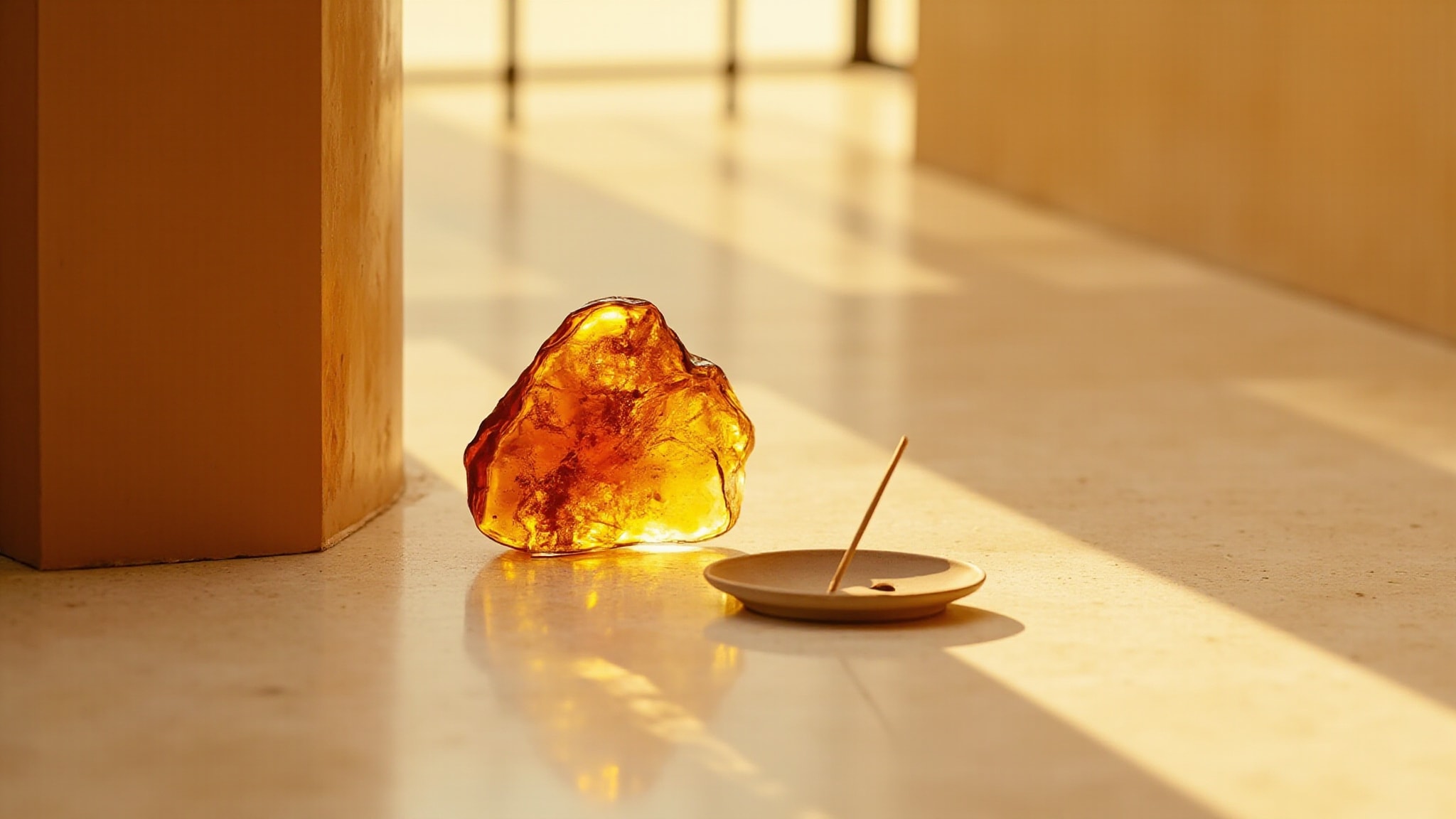
The marjoram arrives first, immediate, herbaceous, almost medicinal. Cardamom and cistus follow within minutes, adding sweetness and a waxy herbal complexity that frames the spices. Around the thirty-minute mark, incense takes over. Smoke rises without burning, carrying the composition into warmer territory. Labdanum anchors everything with a balsamic resinous quality. By hour two, the drydown settles: amber, vanilla, and a lingering anise note that drifts close to the skin. Six to eight hours of wear. On fabric, it stays even longer, faint traces the next morning like an afterthought worth keeping.
Cultural impact
Artaban occupies a particular corner of niche perfumery: the historical reinterpretation. It doesn't compete with mainstream releases or trend-chasing flankers. Instead, it appeals to the collector who wants fragrance to mean something beyond hedonics, who understands that marjoram and nard together carry weight.