The Story
Why it exists.
The beginning
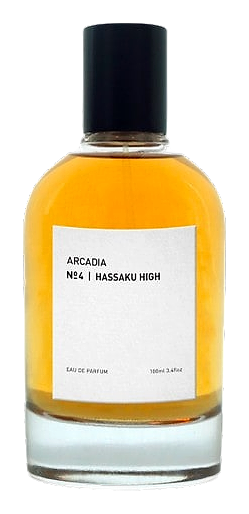
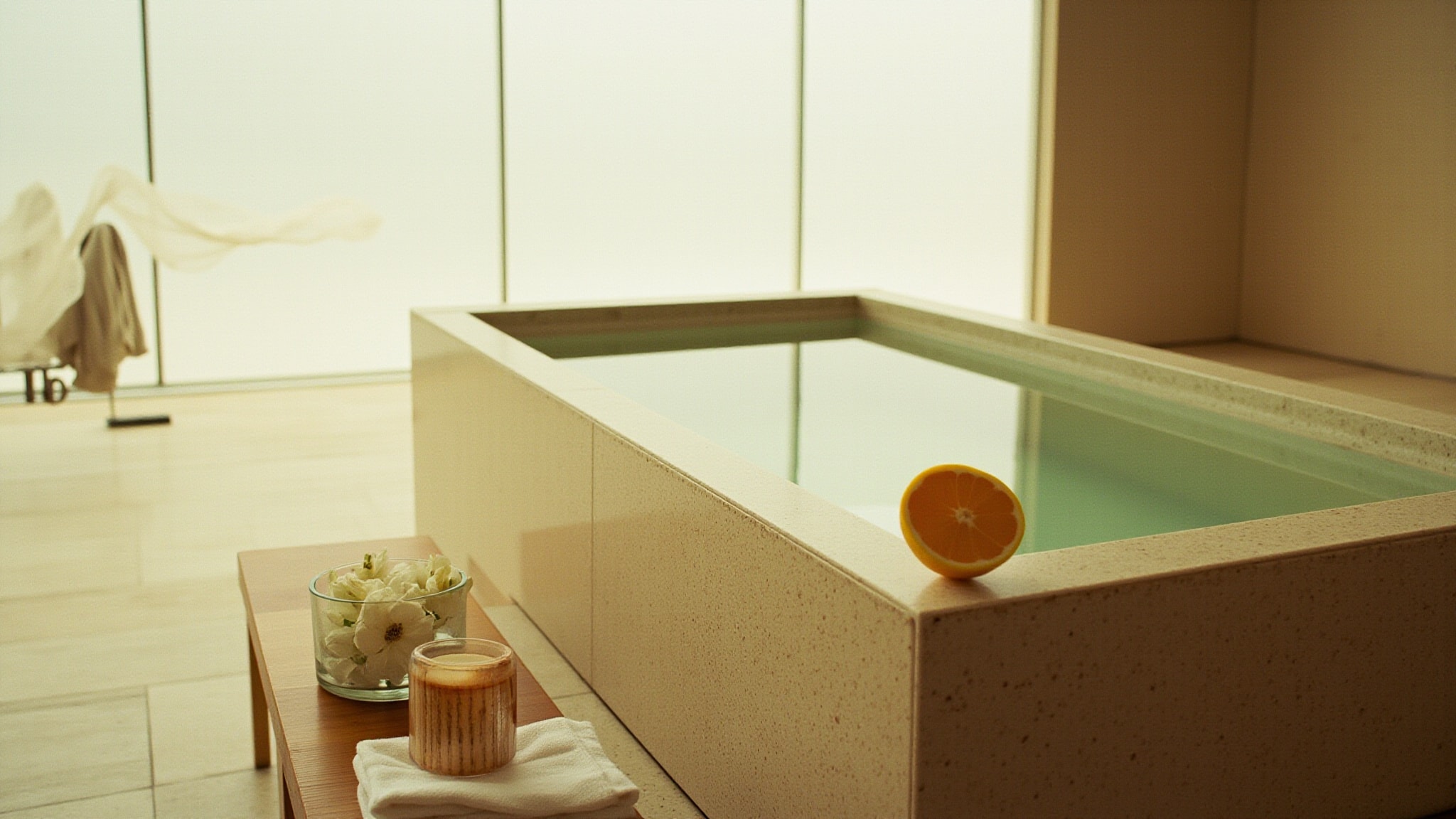
The name borrows from hassaku, the Japanese citrus that carries a different character than the more familiar yuzu or sudachi. There's a particular pleasure in that reference, a quiet nod to a fruit most Western wearers will never taste but can somehow smell in the opening seconds of the juice on skin. The composition opens bright and tart, almost fizzy, then softens as the florals arrive and the citrus recedes into something that reads as memory rather than fruit. What lingers longest is the surprise of finding something structured and serious wearing such a playful name. There's restraint here, but it's the kind that comes from knowing exactly how much abundance a composition can hold without collapsing under it.
What makes the structure interesting is the deliberate overload at the heart. Nine listed white-floral materials stack into one another, gardenia riding jasmine riding tuberose riding orange blossom, each canceling the others' sharp edges into something close to cream. Then a vetiver and sandalwood base arrives like a quiet exhale. The whole composition sits in a tension between abundance and restraint, abundance because the floral stack is generous to the point of lushness, restraint because nothing breaks through the central hush.
The evolution
A bright burst of bergamot and mandarin orange opens the composition, lively and almost effervescent against the skin. The lilac soon rises, carrying a dewy, green-edged sweetness that softens the citrus into something quieter, less sharp and more like the scent of a courtyard after rain. From there, the white florals settle into a creamy, powdery hush grounded by sandalwood, vetiver, and a clean musk that lingers close to the skin for hours. The citrus rarely disappears entirely, threading through the later stages like a faint bright accent against the cream. Over a full wearing, the perfume shifts from sparkle to silk to skin, ending somewhere that feels less like a fragrance and more like a temperature.
Cultural impact
Hassaku High arrives at a moment when white florals are enjoying renewed attention from wearers tired of the darker, smokier profiles that dominated the previous decade. The composition leans hard into that appetite, stacking nine distinct white-floral materials into a heart that reads almost sculptural. Gardenia, jasmine, tuberose, and orange blossom carry the weight, while a sandalwood and vetiver base keeps the whole thing from tipping into sweetness. The effect is a fragrance confident enough to wear its flowers on the surface rather than bury them under woods or smoke.