The Story
Why it exists.
The beginning
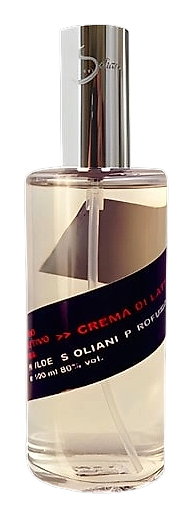
Crema di Latte was born from Sicilian pastry culture, a creamy filling of milk, sugar, vanilla, cinnamon, and lemon zest that fills cannoli and layered cakes across the island. The fragrance captures this profile with a lactonic sweetness that leans toward evaporated milk rather than fresh cream, a slightly metallic edge that grounds the sweetness in something tangible. Warm cinnamon and soft vanilla weave through the milk note, while a hint of citrus brightness keeps the composition from becoming too heavy. It's a scent that stays close to the skin, intimate and comforting, the kind of smell that feels familiar without being ordinary.
What makes this work is the restraint. Most lactonic fragrances lean into cream, butter, whipped textures, something luxurious. Crema di Latte goes thinner. Evaporated milk has a specific quality: less fat, more concentrated, with a faint mineral note that reads almost metallic on the nose. That's the starting point. The cinnamon sits underneath, warm and steady, like the kitchen it's calling from. Vanilla and caramel arrive not as headline acts but as softening agents, keeping the lactonic edge from veering too sharp.
The evolution
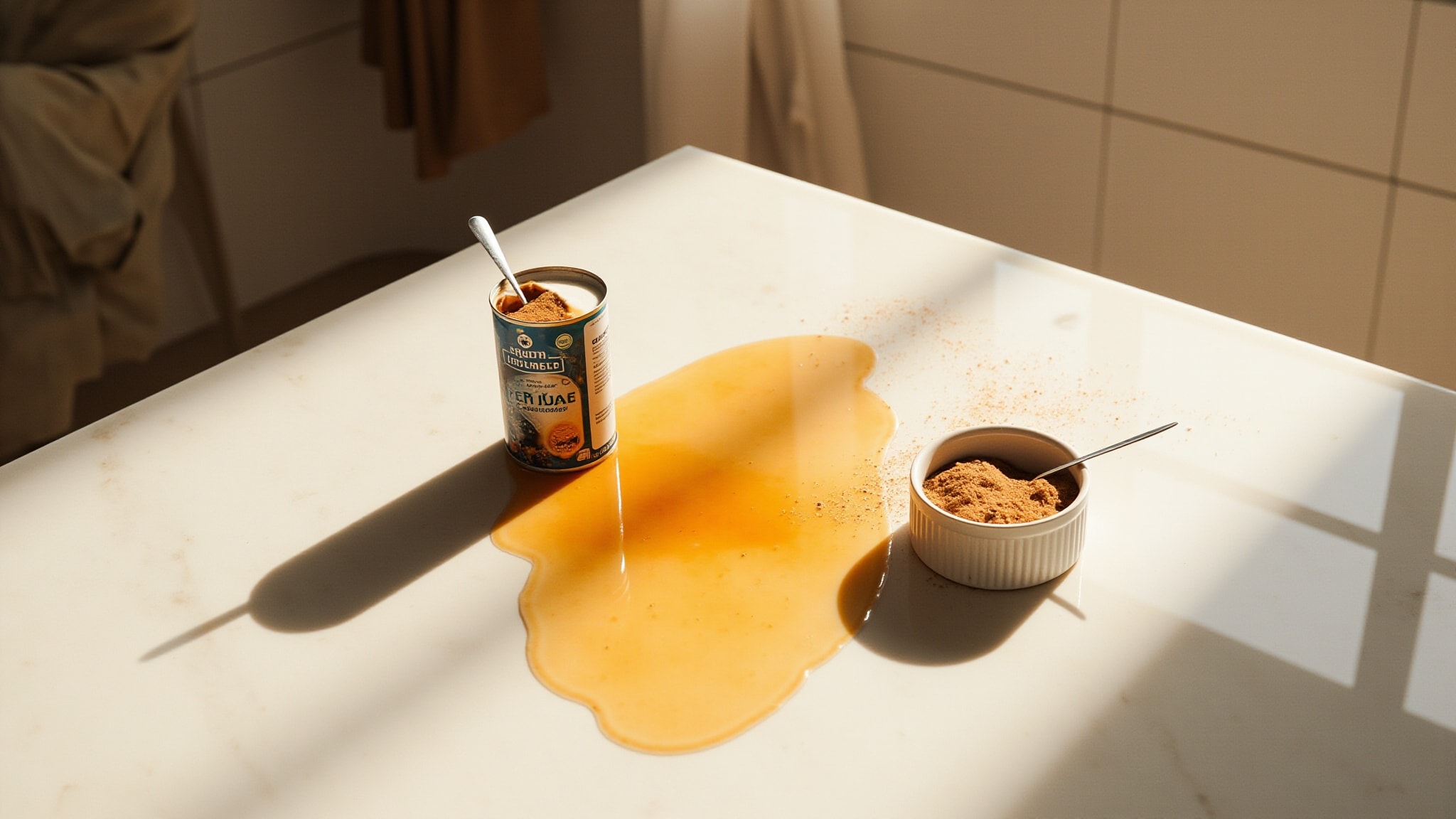
The opening hits with that metallic-lactonic note immediately. It's not unpleasant, it's specific. The smell of a tin opened, condensed milk waiting to be poured into batter. Sugar follows, not sweet exactly, but present. The cinnamon takes its time, settling in as a warmth that keeps the milk from feeling too cold. The composition settles into its main register: warm lactonic sweetness with caramel undertones and a ghost of spice. This is where it lives for the next several hours. The drydown is gentle, a quiet vanilla-sugar residue that stays close to the skin, intimate rather than announced. On fabric, it lingers longer. On skin, it breathes and softens, becoming a second-skin warmth that remains present through the wear.
Cultural impact
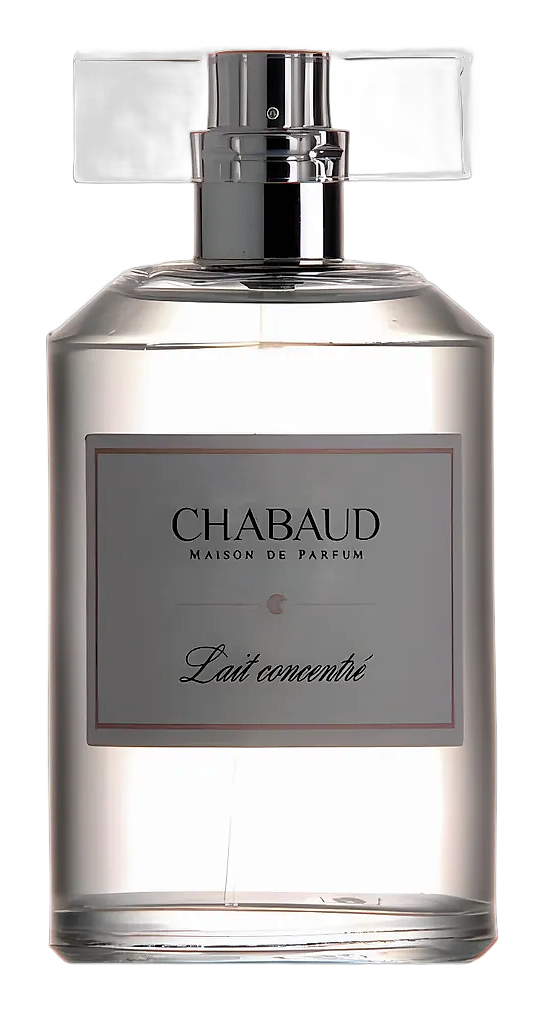
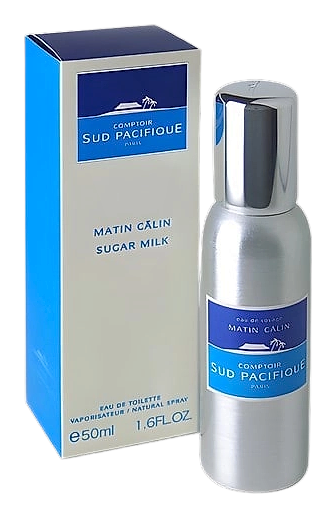
Crema di Latte sits comfortably in the lactonic gourmand tradition, sharing space with Chabaud's Lait Concentré and Comptoir Sud Pacifique's Matin Câlin. Its profile takes a different tack than some peers: evaporated milk rather than fresh cream, a mineral edge that keeps the sweetness grounded. The result is a fragrance that reads as more literal than decorative, capturing something authentic about its dairy inspiration. This directness has earned it attention from those drawn to food scents that feel precise rather than impressionistic.