
The Story
Why it exists.
The beginning
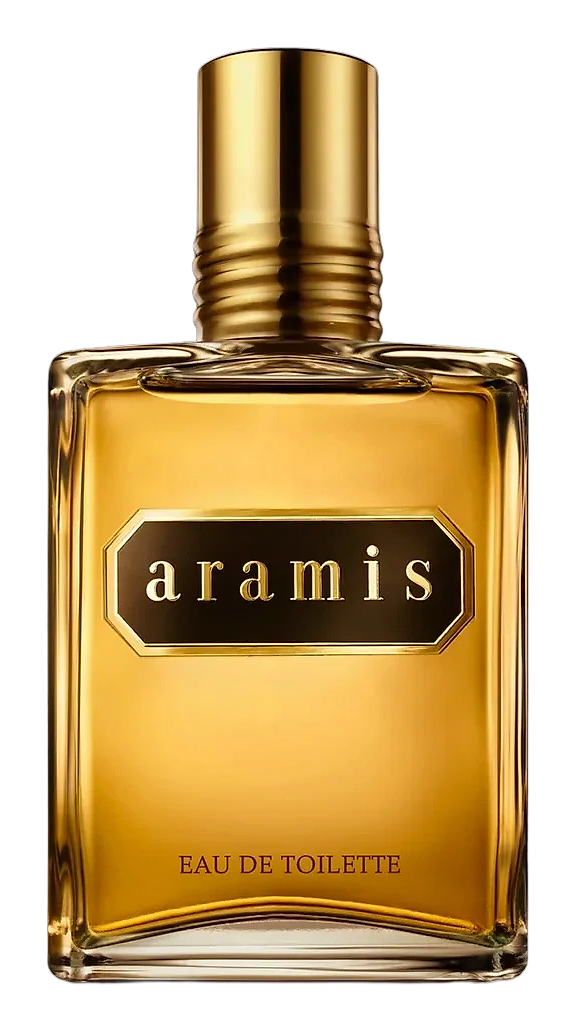
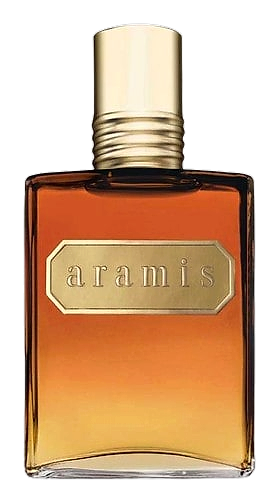
Aramis built its name on masculine certainty, leather, wood, traditional codes others followed. Classic Reserve, launched in 2008, brought those principles forward with quiet confidence. The structure honors what the house has always done well, returning to the signatures that defined its identity without apology or modification. The name says it: Classic. Reserve. A fragrance that speaks in the language of craft and restraint, built for those who recognize the value of timeless composition over trend-chasing novelty.
The structure is distinctly chypre, that architectural framework that has defined classic masculine fragrance for generations. Here, Aramis modernized it without dismantling it. Citrus and juniper open the composition with bright, bracing clarity. The herbal heart, sage, thyme, myrtle, carries a weight that grounds the composition rather than lifting it, creating density and presence. What could have been a straightforward aromatic masculine becomes something denser, more layered, the kind of fragrance that reveals different notes depending on the warmth of your skin and the hours that pass.
The evolution
The opening hits bright and sharp, juniper cutting through citrus like winter air. As the fragrance develops, the herbs take their turn at the foreground. Sage dominates, with thyme and caraway weaving underneath, a green-bitter complexity that shifts the fragrance from sharp to aromatic. The jasmine surfaces briefly, sweet and unexpected against the savory herbs, before the base arrives. Leather and amber define the drydown, warm, resinous, close. Patchouli adds an earthy counterweight. The moss lingers longest, a drydown note that survives into the final hours, skin-warm and intimate rather than room-filling.
Cultural impact
Classic Reserve occupies an interesting position in the masculine fragrance landscape. It chose a different path from contemporary releases: back toward chypre, back toward leather, back toward complexity that takes time to unfold. The composition doesn't chase the fresh-aquatic direction that dominated its era, nor does it follow the niche-luxury conventions that would follow. Wearers who found it describe something that doesn't fit neatly into any category, too structured for simple fresh-masculine offerings, too grounded for the avant-garde buyer.