The Story
Why it exists.
The beginning
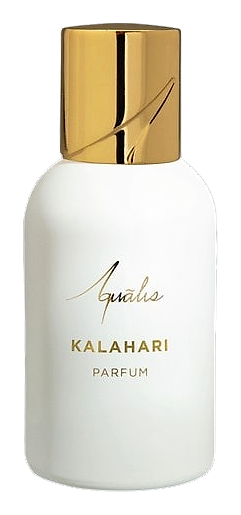
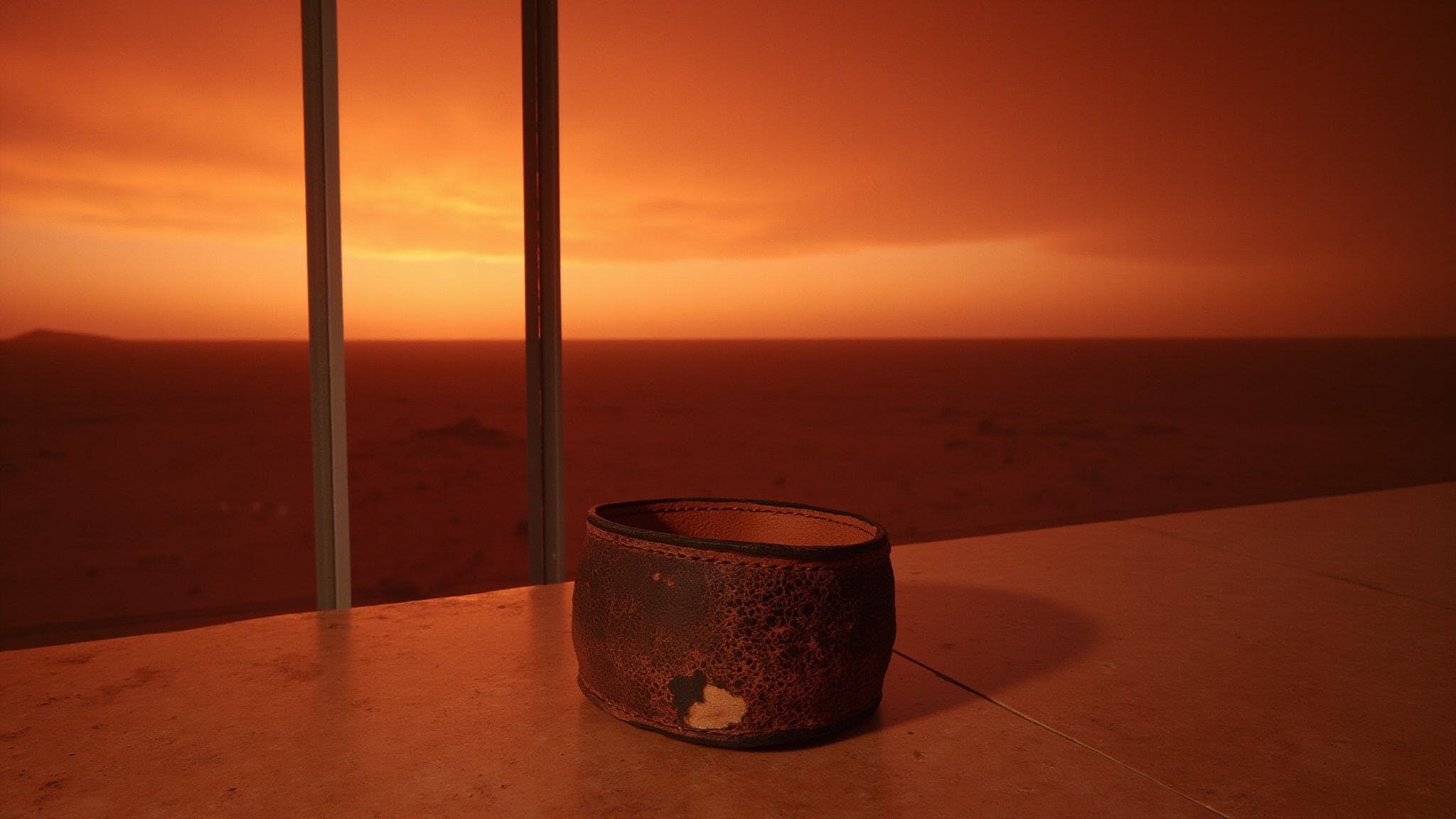
The Kalahari is not a metaphor here. It is the place. Florian Gallo drew from that vast, rust-colored interior of southern Africa when composing this fragrance, a landscape of extremes, where searing midday heat gives way to cold nights, where scrubland and red dunes hold a beauty that demands something of you. The brief, if there was one, seemed clear: translate the Kalahari into something wearable without softening it. A South African house asking a Florentine-trained nose to represent a continent's memory. That tension is the point.
What makes Kalahari structurally interesting is how it refuses to separate the delicate from the coarse. Rose absolute is one of the costliest and most emotionally potent materials in perfumery. Leather is one of the most primal. In most compositions, they occupy separate territory. Here, they are asked to share the same heart, the rose absolute paying homage to the blazing ruby sands, the leather echoing the rich tar that surfaces in the Kalahari's hardpan during dry season. Vetiver's smoky roots bridge them, and the result is neither purely elegant nor purely animal. It occupies the ground between those two things, which is where the most interesting fragrances always live.
The evolution
The opening hits like a spilled drink at a party you're not sure you want to be at. Rum and raspberry arrive bright and slightly sweet, the saffron threading through with a metallic warmth that doesn't let you settle. Within twenty minutes, the raspberry recedes and the incense takes its place, not church incense, but something drier, like embers in a fire pit someone just walked away from. The rose appears around the hour mark, and here it doesn't bloom so much as hold its ground. It is not soft. It is not yielding. The vetiver roots give it weight. Leather announces itself in the second hour and stays, settling into the skin like something that was always there. The base is where Kalahari earns its length. Benzoin and bourbon vanilla create a warmth that doesn't read as sweet, it reads as warm, the way skin is warm, the way stone holds heat. Labdanum and cedar round the edges into something that stays close, moderate sillage by design, lasting eight to ten hours on most skin. The next morning, what remains is faint vanilla and leather. Memory of a memory.
Cultural impact
Kalahari captures a mood that has always existed in fragrance but rarely gets named this directly: the idea of smelling like you've returned from somewhere wild. While the desert may seem like an unusual muse for a modern fragrance, it speaks to a broader trend of consumers seeking scents with narrative weight. The rum note grounds this in a sense of warmth and occasion, while the saffron adds an almost medicinal intensity that forces you to take notice. This isn't a fragrance that whispers, and that quality has made it polarizing in the best possible way, generating genuine debate about what it means to wear something bold in an era of safe choices.
The House
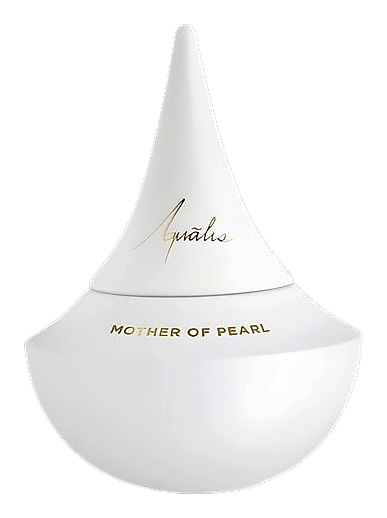
AqualisAqualis is a London-based independent niche fragrance house founded by South African perfumer Steyn Grobler. The brand draws deep inspiration from Grobler's roots in South Africa, channeling the continent's diverse landscapes and sensory memories into each composition. Since establishing in 2015, the house has grown from a small independent operation into a recognized presence in the niche fragrance world, with its creations available through select luxury retailers including Harrods. The collection spans a range of fragrance families, with each release typically tied to a specific landscape, memory, or geographic reference from Grobler's South African heritage. Notable works include Origin, Utopia, and Coda from the early collection, alongside later releases such as Egoli (2022), Triptych (2023), and Mother of Pearl (2025). The brand operates as a small, founder-led house, with Grobler maintaining direct involvement across formulation and creative direction.
The Creator
Florian GalloFlorian favors transparent accords that reveal their ingredients step by step. He often begins with a single natural element, such as sesame seed oil or a specific wood, and builds layers that highlight its nuances.