



Heritage
A house, in its own words
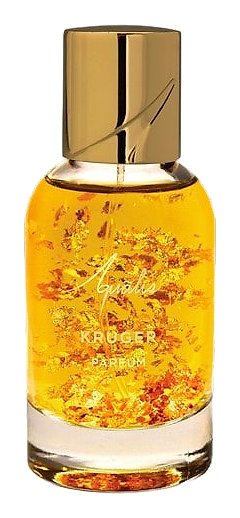
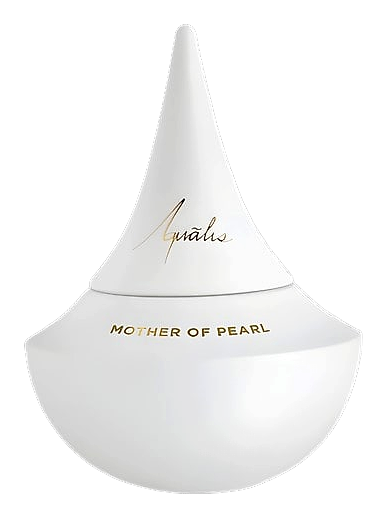
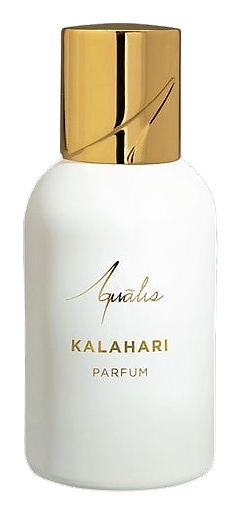
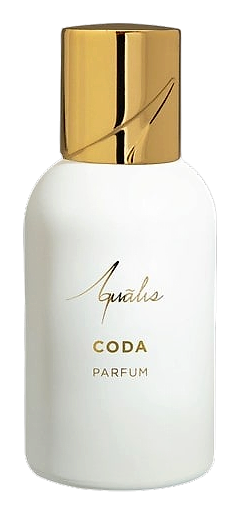
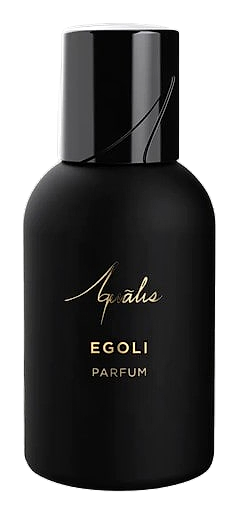
Aqualis traces its origins to the vision of Steyn Grobler, a native of Pretoria, South Africa, who relocated to London and founded the house in 2015. Grobler left South Africa at the age of 15, an early departure that would later profoundly shape the emotional and geographic architecture of his fragrance work. Rather than entering perfumery through formal training, Grobler's path ran through business management, earning an MSc before his passion for scent drew him into the world of fine fragrance creation. The founding moment reflects a personal reinvention: a South African living abroad, drawing memory and landscape from a place left behind into olfactory form. The brand name itself nods subtly to water, with the tilde appearing in some marketing materials (likely reflecting the founder's Afrikaans heritage and the phonetic conventions of that language). In its early years, Aqualis operated quietly, building a loyal following among niche fragrance enthusiasts before gaining wider recognition. The brand's trajectory mirrors a particular niche fragrance archetype: the founder-creator who acts as sole creative force, with no large corporate structure obscuring the relationship between vision and product. Multiple independent sources place the founding year as 2015, and by 2016 the brand had released its first collection, establishing the thematic and aesthetic language that would define subsequent work. Grobler has described his approach to fragrance as fundamentally rooted in personal narrative rather than market positioning. In published reflections on olfactory inspiration, he has written about the thought process and emotional context behind his creations, suggesting a practice that privileges memory, geography, and subjective experience over trend-driven formulation. This philosophy positions Aqualis as a house that asks the wearer to engage with scent as a form of storytelling, connecting individual perception to landscapes the wearer may never have visited. The brand appears deliberately uninterested in the commercial machinery that drives mainstream fragrance: no celebrity endorsements, no mass-market department store presence, no celebrity-backed flankers or seasonal limited editions timed to retail cycles. Instead, each fragrance release functions as a standalone work, tied to a specific reference point in the physical or emotional geography of South Africa. Egoli, for instance, takes its name from the Tswana word for Johannesburg, the city that grew around South Africa's gold mining industry. This specificity of reference is central to the house's identity. Grobler's writings suggest a belief that scent carries cultural and personal weight that purely synthetic marketing language cannot replicate.