The Story
Why it exists.
The beginning
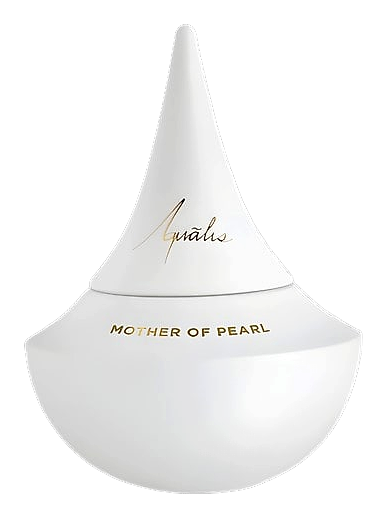
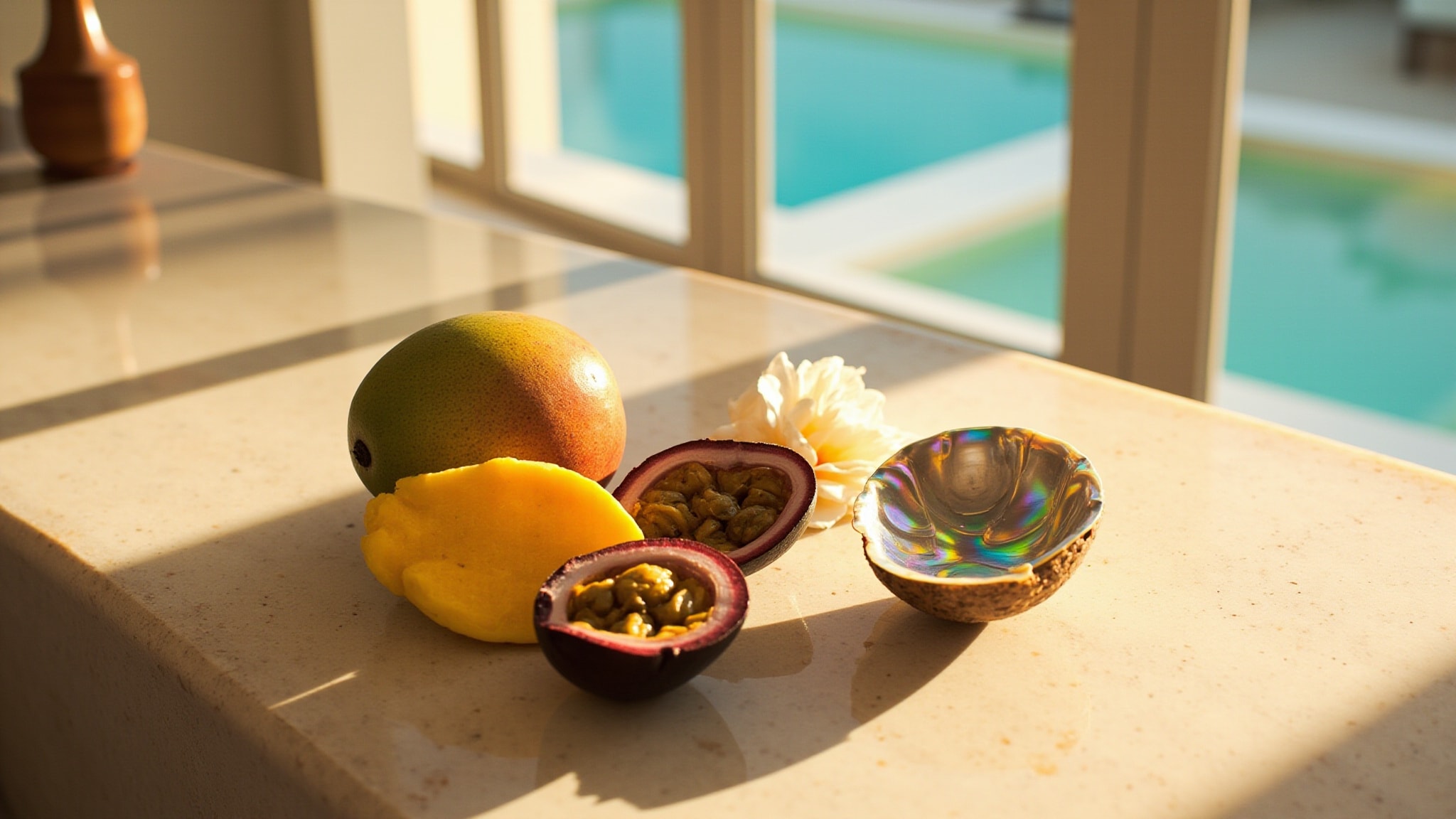
Mother of Pearl takes its name from the iridescent substance that lines certain mollusk shells, a material prized for centuries for the way it catches and refracts light, shifting between opalescent shades depending on the angle. That quality of prismatic, ever-changing beauty is what perfumer Julie Lerendu set out to capture in this 2025 release for Aqualis. The concept wasn't about capturing a single moment or landscape. It was about translation, taking something visual and tactile and rendering it into scent. The challenge: how do you make a fragrance shimmer? The answer, Lerendu found, was in layering, tropical fruits bright and glistening at the top, white florals shifting in the heart, warm resins and woods settling underneath. Each layer catches light differently. Each stage of the wear reveals something new. The fragrance draws its name from a material that has no fixed color of its own, it only reflects what surrounds it.
What makes Mother of Pearl distinctive is its willingness to be abundant. The opening lists seven notes, mango, passionfruit, pear, bergamot, mandarin, ginger, pink pepper, and each one earns its place. There's no restraint here, no careful rationing of effect. The tropical notes arrive in a rush, almost excessive in their juiciness, and they mean it. The heart is where the fragrance becomes itself. Gardenia and jasmine are white florals with different textures, gardenia is creamy and almost waxy, jasmine is warmer and more animalic. Coconut bridges them, adding a lactonic richness that keeps the florals from being too precious.
The evolution
The opening hits fast, within seconds, mango and passionfruit are unavoidable. The sweetness is immediate and joyful, almost celebratory. Bergamot and mandarin keep it from becoming cloying for the first few minutes, adding a citrus brightness that feels like light through water. The ginger and pink pepper arrive quietly, adding a clean heat that prevents the whole thing from feeling like a fruit smoothie. Around the 15-minute mark, the tropical burst begins to soften. Gardenia emerges first, creamy, lush, with that slightly waxy quality that makes white florals feel tangible. Jasmine follows, warmer and more complex, threading through the coconut that has been waiting underneath. By the 30-minute mark, the heart is fully established: white florals and coconut, intimate and close. The drydown is where Mother of Pearl earns its name. The florals don't disappear, they thin, becoming more transparent, like light passing through something iridescent. Underneath, amber, vanilla, and sandalwood build slowly, adding warmth without sweetness.
Cultural impact
Mother of Pearl enters a fragrance landscape where tropical notes are often used as accents rather than anchors. The sweet-fruity-floral-coconut combination is well-established territory, but this fragrance commits to it fully, no restraint, no apology. For wearers who want something lush and warm that announces itself without shouting, it occupies a specific niche within the niche market. The strong longevity and sillage ratings suggest it will build a following among those who prioritize lasting presence over subtlety.