
The Story
Why it exists.
The beginning
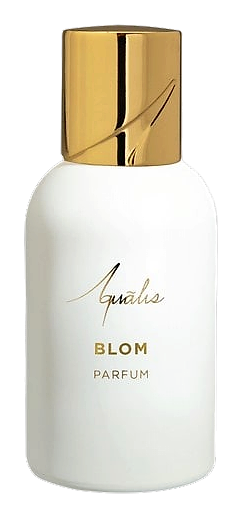
Blom. From the Dutch and Afrikaans for "bloom", the word itself a small green promise. Jean-Charles Mignon built this fragrance around a specific sensory memory: the crystalline clarity of florals in morning light, just after dew. Blackcurrant and bergamot open like a misting spray, bright and effervescent. The rest follows from there, a composition that asks what it means for a flower to arrive fully formed, without apology, without the weight of night.
What makes Blom distinctive is its refusal to choose between freshness and warmth. The top register is dewy, almost cool, blackcurrant adds a dark berry tartness that keeps bergamot from reading as mere citrus. Then gardenia, magnolia, jasmine: white florals that arrive not as a wave but as a settling, each bloom taking its place without crowding. Geranium introduces a green counterpoint, a slight herbal sharpness that prevents the heart from becoming saccharine. The powdery notes in the heart, and there are several, create a texture that reads as tactile, almost fabric-like. You smell Blom and think of cashmere, of something soft against skin.
The evolution
The opening is bright. Bergamot and blackcurrant arrive together, a tart-fruity burst that zings before settling. Neroli and green blossoms follow, cool and slightly metallic. This phase lasts maybe 45 minutes, crisp, awake, almost shocking in its clarity. Then the florals take over. Gardenia, magnolia, jasmine, rose, layered so they don't announce themselves individually. The geranium keeps things honest, a small green correction that prevents the heart from tipping into confection. The powdery notes emerge here too, lending a softness that feels almost textile, cashmere, not cream. The drydown is where Blom earns its staying power. Bourbon vanilla brings warmth, but cashmere wood is the real character, that silky, slightly dry woodiness that lingers on skin for hours after the florals fade. Vetiver and cedarwood ground everything. By hour six, it's intimate and close, the kind of presence you notice on yourself rather than others.
Cultural impact
Blom has found its audience among those who want fragrance as self-expression rather than statement. The floral-sweet powdery profile places it in conversation with softer niche compositions, a scent for people who found their signature in subtlety rather than projection. Its 2020 launch positioned it in a moment when approachable luxury was gaining ground.
The House
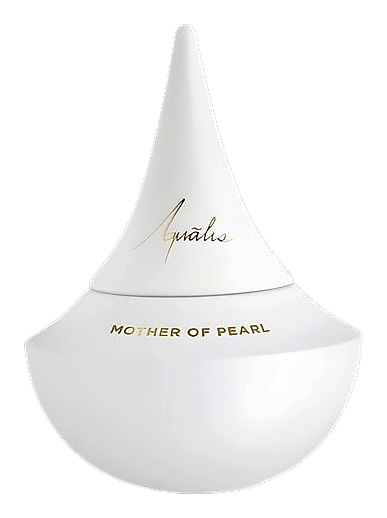
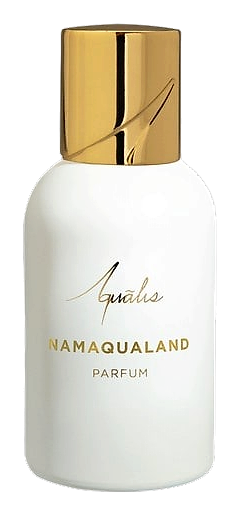
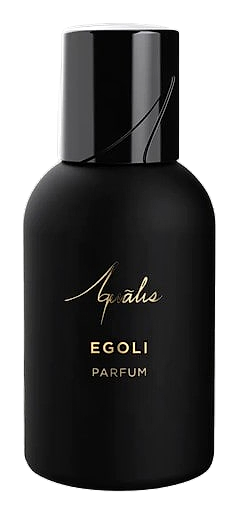
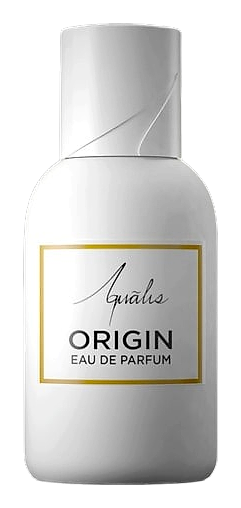
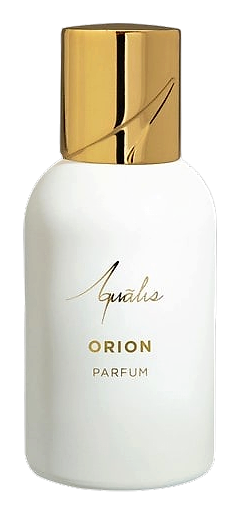
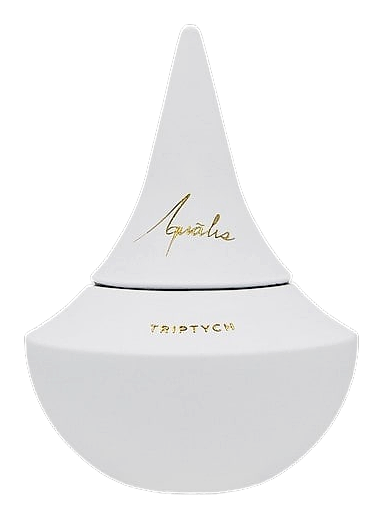
AqualisAqualis is a London-based independent niche fragrance house founded by South African perfumer Steyn Grobler. The brand draws deep inspiration from Grobler's roots in South Africa, channeling the continent's diverse landscapes and sensory memories into each composition. Since establishing in 2015, the house has grown from a small independent operation into a recognized presence in the niche fragrance world, with its creations available through select luxury retailers including Harrods. The collection spans a range of fragrance families, with each release typically tied to a specific landscape, memory, or geographic reference from Grobler's South African heritage. Notable works include Origin, Utopia, and Coda from the early collection, alongside later releases such as Egoli (2022), Triptych (2023), and Mother of Pearl (2025). The brand operates as a small, founder-led house, with Grobler maintaining direct involvement across formulation and creative direction.
The Creator
Jean-Charles MignonMignon gravitates toward clarity and structure. His compositions tend to unfold with purpose rather than cascade into excess.